

Key Takeaways
A whining noise when turning the wheel is often connected to power steering fluid, a pump, a belt, or an electric steering component. The sound’s timing and location can help narrow the cause before you authorize repairs.
- Check fluid level and condition before assuming the pump has failed.
- Look for leaks, belt damage, and signs of air in the system.
- Compare the noise while stationary, at low speed, and at highway speed.
- Stop driving if steering becomes heavy, jerky, or unpredictable.
- Avoid holding the wheel against full lock for more than a moment.
What a whining noise when turning the wheel can indicate
A whining noise when turning the wheel usually means a component is responding to steering load, although the sound may come from somewhere else entirely. Hydraulic systems often make noise when fluid is low, aerated, restricted, or unable to circulate properly. Electric systems can also produce unusual sounds when a motor, sensor, or control component develops a fault. Careful observation is more useful than guessing from the pitch alone.
How the sound changes with steering input
Turn the wheel gently while the vehicle is stationary, then repeat the movement at low speed in a safe area. A whine that rises as steering effort increases points toward the power-assist system, especially if it becomes most noticeable near full lock. A noise that occurs only at one part of the turn may instead involve a tire, suspension joint, or steering linkage.
Pay attention to whether the sound starts immediately, fades as the wheel returns to center, or continues after the turn. Those small differences give a mechanic a useful starting point and can separate a loaded component from a rotating one.
Why vehicle speed and engine speed matter
If the vehicle has hydraulic power steering, the pump is commonly driven by the engine, so the pitch may change when engine speed changes. A sound that is present while parked and rises with a light throttle input is less likely to be caused by wheel bearings. By contrast, a noise that follows road speed, even when the steering wheel is straight, deserves attention elsewhere in the drivetrain or wheel assemblies.
Testing should be brief and controlled. Never make repeated sharp turns in traffic simply to reproduce a sound.
Distinguishing whining from grinding, squealing, and clunking
Whining is generally a smooth, high-pitched sound. Grinding tends to suggest rough bearings or metal contact, squealing often relates to belt slip or friction, and clunking is more consistent with looseness in a steering or suspension part. These descriptions are not diagnoses, but they help communicate what you hear.
For broader context on noises that occur during turns, this steering noise guide compares whines, squeals, clunks, and grinding sounds without treating them as the same fault.
When the noise is normal versus concerning
A brief hum or light change in effort at the limit of steering travel can occur because the system is under heavy load. It should not be held there, and a persistent or increasingly loud noise should not be dismissed as normal. Heavy steering, fluid loss, vibration, burning smells, or a warning light raises the urgency.
The key distinction is a change in steering behavior. Noise alone may allow a cautious trip to a repair shop, but altered control or inconsistent assistance calls for stopping in a safe place.
Common causes of steering-related whining noises
Several faults can create a similar sound, and more than one may be present. Hydraulic systems are especially sensitive to fluid level, fluid condition, air, and belt drive. Electric power steering has different failure points, so identifying the system fitted to the vehicle matters before testing begins.
A useful overview of low or aerated fluid, hose leaks, and pump wear is available in this power steering whine explanation. The practical lesson is simple: begin with accessible checks, then move toward component testing.
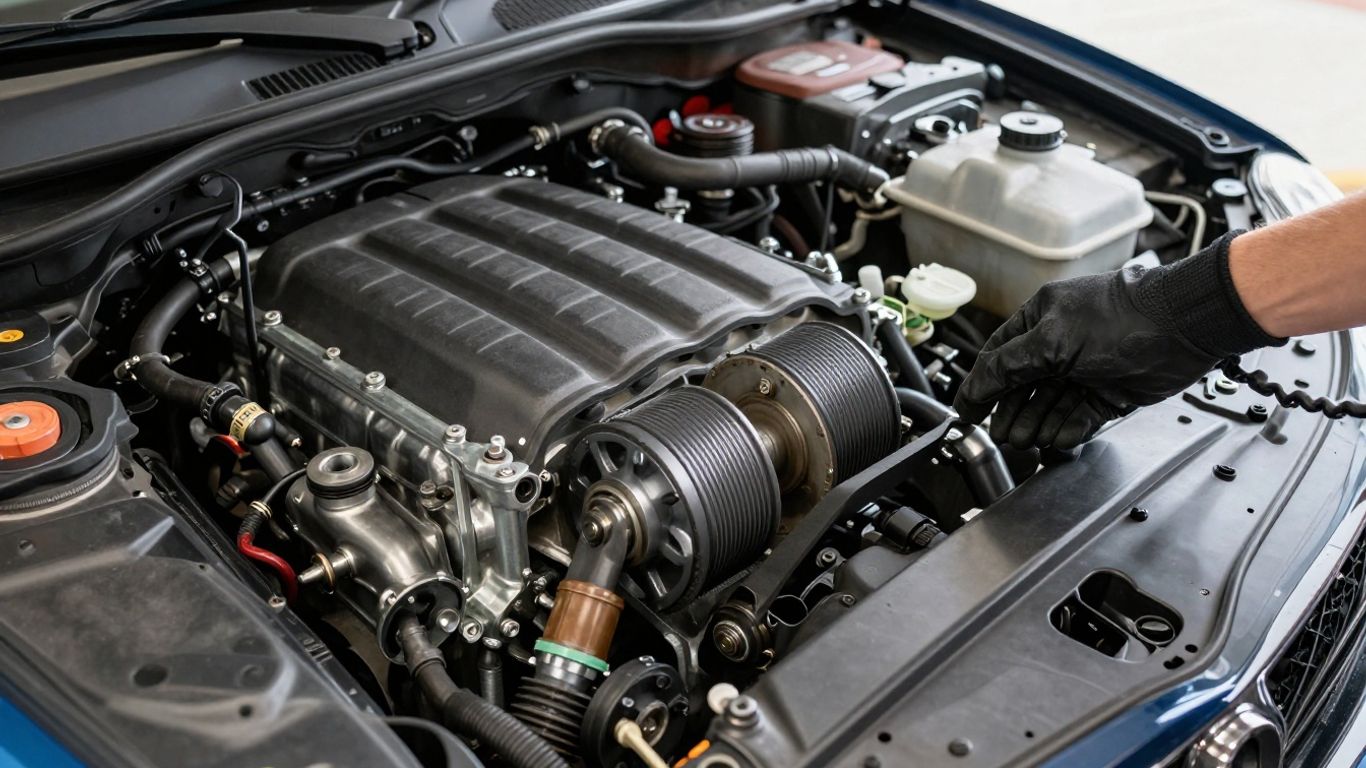
Low or contaminated power steering fluid
A low reservoir can allow the pump to draw in air, producing a whine and sometimes a foamy appearance. Fluid that is unusually dark, dirty, or has a burnt odor may no longer lubricate and circulate as intended. Use only the fluid specification listed by the vehicle manufacturer; topping up with an incompatible product can create a new problem.
Low fluid is also a clue, not a complete repair. If the level drops again, the system needs a leak inspection rather than repeated top-ups.
A failing power steering pump
Pump bearings, internal vanes, or other operating surfaces can wear over time. The result may be a whine that remains even when the reservoir is correctly filled, often becoming more obvious as steering effort increases. A mechanic may need to compare pressure and flow with vehicle specifications before recommending replacement.
Replacing a pump without checking the fluid circuit can leave the original cause unresolved, particularly if contamination or a restriction caused the damage.
A loose, worn, or damaged serpentine belt
A serpentine belt transfers engine power to accessories on many vehicles. Cracks, glazing, contamination, poor tension, or a failing tensioner can create a high-pitched squeal or whine that changes with engine speed. Because the belt may drive several components, the steering connection is not always obvious from inside the cabin.
Do not put hands, clothing, or tools near a moving belt. Inspection should be done with the engine off, and replacement intervals should follow the vehicle’s service guidance.
Air trapped in the hydraulic steering system
Air can enter after a leak, hose repair, low-fluid event, or incorrect service procedure. It may make the fluid look bubbly and can cause a fluctuating whine, vibration, or uneven steering assistance. Correct bleeding varies by vehicle, so follow the manufacturer’s procedure rather than turning the wheel repeatedly at full lock.
If air returns after bleeding, there is probably an unresolved leak or another fault allowing it into the system.
Electric power steering motor or sensor problems
Electric power steering does not use a conventional hydraulic pump in the same way. Its motor, torque sensor, wiring, or control module may cause unusual sounds or inconsistent assistance when a fault develops. Warning lights, diagnostic codes, and changes in steering effort are especially useful clues.
Some faults require scan data and electrical testing rather than a fluid inspection. A vehicle-specific service procedure is safer than assuming every steering whine has the same cause.
How to diagnose the source of the noise
Diagnosis works best as a process of elimination. Start with observations that do not require dismantling anything, then record what changes when steering input, engine speed, and vehicle speed change. Keep the vehicle on level ground and follow basic safety precautions around moving parts.
A fluid-level checklist can be useful, but it should not replace a leak inspection. The power steering fluid guide also covers why old or contaminated fluid can increase pump strain.
Checking the power steering fluid level and condition
Locate the reservoir using the owner’s manual and check the level under the conditions specified by the manufacturer. Some reservoirs have hot and cold markings, while others use a dipstick in the cap. Note the color, smell, and presence of foam or visible debris before adding anything.
Write down what you found and photograph the reservoir if the fluid looks unusual. This creates a baseline for later comparison and helps prevent an unnecessary flush or pump replacement.
Inspecting for leaks around steering components
Look for wetness around the reservoir, hoses, fittings, pump, and steering rack area after the vehicle has been parked. A leak may leave a drip, a damp film, or fluid inside a steering rack boot. Do not crawl beneath an unsupported vehicle, and remember that fluid can travel along a hose before dripping.
A low level combined with fresh wetness is a strong reason to arrange service promptly. Adding fluid may restore assistance temporarily but will not correct the leak.
Listening under the hood while turning
With a helper in the driver’s seat and the vehicle secured, listen from a safe position while the wheel is moved slightly from center. Identify whether the noise is strongest near the pump, belt path, reservoir, or another accessory. Keep clear of fans, belts, pulleys, and hot engine components.
The sound should be reproduced only briefly. A mechanic can use a stethoscope or other specialized listening tool more safely and precisely than an improvised probe.
Comparing noise at idle, low speed, and highway speed
A controlled comparison can reveal whether the sound follows steering load, engine speed, or road speed. Use the following observations as clues rather than final conclusions:
| Observation | More likely area to inspect | Useful next step |
|---|---|---|
| Noise while parked during a turn | Power-assist system | Check fluid, belt, and pump operation |
| Pitch rises with engine speed | Belt or engine-driven accessory | Inspect belt and tensioner |
| Noise rises with road speed | Wheel or drivetrain | Check bearings, tires, and axles |
| Noise only near full lock | Steering system under heavy load | Avoid holding the stop and test for leaks |
This comparison helps prevent a road-speed problem from being mistaken for a steering-pump failure. If the result is inconsistent, record the conditions and let a technician reproduce it.
Identifying whether the noise comes from the cabin or engine bay
A cabin-centered sound may involve the steering column, an electric assist motor, or trim rubbing as the wheel moves. A sound that is clearly louder with the hood open is more likely to come from the belt drive, pump, reservoir, or another engine-bay component. Reflections from walls can make location surprisingly difficult to judge.
A short recording made from inside and outside the vehicle can help, provided it is taken while parked or by a passenger. Do not record while holding a phone during active driving.
Other problems that can sound like steering whine
Not every noise heard during a turn is produced by the steering-assist system. Front wheel, suspension, tire, axle, transmission, and belt components can all change their sound when the vehicle turns or its weight shifts. This is why a fluid check is a starting point, not proof of a failed pump.
The same caution applies to other forms of technical troubleshooting: a CCNA course may cover network fault diagnosis, while vehicle diagnosis requires entirely different tools and procedures. The link is a separate educational resource, not a repair recommendation.
Worn wheel bearings and hub assemblies
A worn wheel bearing commonly produces a hum, growl, or rumble that changes with road speed and may become louder when the vehicle’s weight shifts in a turn. It can sometimes be mistaken for a steering whine from inside the cabin. A technician can check for play and compare sound from each side.
Bearing concerns deserve prompt attention because the component supports the wheel and affects safe operation.
Failing drive belts and belt tensioners
A belt or tensioner may squeal during startup, acceleration, or steering load. The sound can seem steering-related simply because turning at low speed increases accessory demand on some vehicles. Cracks, shiny belt ribs, unusual movement, or a rattling tensioner support further inspection.
Avoid belt dressing and similar quick fixes unless the manufacturer specifically calls for them. They can mask the sound without correcting the cause.
Low transmission fluid or drivetrain issues
Transmission and drivetrain noises often track vehicle speed, gear selection, acceleration, or deceleration rather than steering input itself. A turn can alter load on an axle or differential, making an existing hum more noticeable. Check fluid only according to the correct vehicle procedure, since level checks vary widely.
A sound that continues on a straight road should broaden the diagnostic search beyond steering components.
Tire rubbing against suspension or body components
A tire can contact a wheel-well liner, splash shield, suspension part, or body panel during a tight turn. Rubbing usually sounds like scraping, rubbing, or a repetitive contact noise rather than a smooth mechanical whine. Look for fresh scuff marks, damaged plastic, uneven tire wear, or incorrect wheel fitment.
Do not place your hands near the tire while someone turns the wheel. Inspect only with the vehicle stationary and secured.
CV joints, tie rods, and ball joints under load
Outer CV joints often click during tight, powered turns, while worn tie rods or ball joints may clunk, creak, or pop as steering and suspension loads change. A damaged joint may not produce a classic whine, but the timing can confuse the diagnosis. Any looseness, pull, vibration, or uneven tire wear is a reason for professional inspection.
A vehicle with a visibly damaged joint should not be driven until its condition is assessed.
What to do when the wheel makes a whining noise
Treat a new steering noise as information, not an invitation to keep testing the vehicle aggressively. Note when it appears, whether steering effort changes, and whether there are warning lights or fluid spots. A cautious inspection can identify an obvious low-fluid condition, but it cannot confirm the health of hidden components.
The safest approach is to limit unnecessary driving while arranging a diagnosis, especially if the noise is getting louder or the steering feels different.
Safe checks you can perform at home
Basic checks are reasonable when the vehicle is parked on level ground, the engine is off where appropriate, and the owner’s manual is available. Useful observations include:
- Check the power steering reservoir if the vehicle uses hydraulic assistance.
- Look for fresh fluid beneath the front of the vehicle.
- Inspect the visible belt for cracks, fraying, or glazing.
- Note warning lights, unusual effort, vibration, or steering play.
These checks can give a repair shop a clearer starting point. They should not involve removing steering parts or reaching near rotating components.
When to stop driving the vehicle
Stop driving and seek assistance if steering becomes heavy, jerky, loose, or intermittently unresponsive. Fluid pouring out, smoke, a burning smell, severe grinding, or a steering warning light also increases the risk. If control feels compromised, do not attempt to reach a distant workshop under your own power.
A mild, stable noise with normal steering may permit a short trip for diagnosis, but that decision depends on the vehicle and the symptoms.
When professional diagnostic equipment is necessary
Scan tools may be needed for electric power steering faults, especially when a warning light or stored code is present. Hydraulic systems may require pressure testing, belt inspection, leak testing, or component-specific checks. These tests help distinguish a pump, hose, rack, sensor, and control problem that can sound alike.
Professional equipment becomes particularly valuable when basic checks are normal but the noise persists. Guessing at expensive parts is rarely economical.
Why continuing to turn against the steering stop can worsen noise
Holding the wheel against full lock places the steering-assist system under high load. A brief moment may be allowed by the vehicle design, but prolonged pressure can increase heat and noise and place unnecessary stress on pump or steering components. It can also make a marginal fault appear worse.
When maneuvering, ease the wheel back slightly from the stop once the turn is complete. This simple habit reduces avoidable strain.
How to document symptoms for a mechanic
A useful report includes the date the noise began, whether the engine was cold or warm, steering direction, vehicle speed, and whether the sound followed engine or road speed. Include photographs of fluid levels or leaks and a short recording made safely while parked. Mention any recent belt, fluid, tire, suspension, or steering work.
Clear observations save diagnostic time. Avoid labeling the repair yourself; describe what happened and let the technician test the suspected systems.
Repair costs and maintenance considerations
Repair pricing varies because the same symptom can come from a simple fluid service or a major steering component. Vehicle design, accessibility, parts quality, and the underlying leak all affect the estimate. A written diagnosis should identify the failed part and explain whether related flushing, bleeding, or alignment work is needed.
Preventive care is mostly about using the correct fluids, responding to leaks early, and not ignoring changes in steering effort. It is also worth remembering that Vera 4 Beauty concerns hair-extension care, not vehicle maintenance; the link is included as a separate resource and has no bearing on this diagnosis.
Typical costs for fluid service and leak repairs
A fluid inspection or service is generally less involved than replacing a pump, but the price depends on access and the required procedure. Leak repairs range from a hose or clamp to a rack or pump seal, with parts and labor changing substantially between vehicles. A shop should explain whether contaminated fluid must be flushed after the leak is repaired.
Do not judge an estimate by the fluid price alone. Finding the leak is often the most time-consuming part.
Replacing a power steering pump or belt
A pump replacement may require new fluid, system bleeding, belt removal, and inspection of the hoses and rack. A belt repair may be simpler, but a failed tensioner or pulley can add parts and labor. If contamination caused the original failure, the shop may recommend cleaning or flushing related components.
Ask whether the estimate includes diagnosis, fluid, bleeding, and any belt or tensioner work rather than comparing only the headline part price.
Repairing electric power steering systems
Electric steering repairs can involve a motor, torque sensor, wiring, control module, or a complete steering assembly. Diagnosis usually depends on warning-light information, scan data, and electrical tests. Some vehicles require calibration after a component is replaced.
The correct repair cannot be selected from the sound alone. A technician should verify the fault and follow the vehicle’s service instructions before parts are ordered.
Factors that affect labor and parts pricing
Labor access, vehicle age, regional rates, part availability, and whether the repair requires calibration or alignment all influence the final bill. Original-equipment and aftermarket parts can differ in price and coverage. The most expensive estimate is not automatically the best, nor is the cheapest necessarily complete.
For unrelated home-maintenance research, Mustang Roofing discusses roof inspections and repair scope; it should not be used as evidence about automotive costs. Separately, Google Reviews guidance concerns local visibility, not mechanical quality or a guarantee of repair results.
Preventive maintenance to avoid recurring steering noise
Use the specified fluid, keep scheduled inspections, and investigate any recurring drop in reservoir level. Replace belts and tensioners according to condition and the vehicle’s maintenance schedule, and avoid forcing the wheel against the steering stop. After repairs, confirm that the noise is gone and the steering feels consistent in both directions.
A repair is more likely to last when the underlying leak, contamination, or alignment issue is addressed instead of treating only the symptom.
Conclusion
A whining noise when turning the wheel can be minor, but it can also signal low fluid, a leak, belt trouble, pump wear, or an electric steering fault. Observe when and where the sound occurs, make only safe checks, and arrange professional diagnosis if steering behavior changes or the noise persists.
Frequently Asked Questions
Is a whining noise when turning the wheel always caused by low power steering fluid?
No. Low or contaminated fluid is common on hydraulic systems, but a pump, belt, leak, trapped air, electric steering component, wheel bearing, or drivetrain part can produce a similar sound.
Can I drive with a steering whine?
If steering effort and vehicle control remain completely normal, a short trip for diagnosis may be possible. Stop driving if the steering becomes heavy, jerky, loose, or inconsistent, or if there is major fluid loss, smoke, or a warning light.
Why does the noise get louder near full lock?
Turning fully increases steering load, which can make a marginal pump, low-fluid condition, or belt problem more audible. Avoid holding the wheel at full lock because prolonged load can increase heat and stress.
What color should power steering fluid be?
The correct appearance depends on the fluid type and vehicle, but fluid that is very dark, dirty, foamy, or burnt-smelling deserves inspection. Always follow the vehicle manufacturer’s specification before adding or replacing fluid.
Can a bad serpentine belt sound like steering noise?
Yes. A belt or tensioner may squeal or whine when engine load changes during low-speed steering. Because the belt can drive several accessories, the source should be confirmed rather than assumed.
How can I tell whether the noise is from a wheel bearing?
A wheel-bearing noise usually follows road speed and may change when the vehicle’s weight shifts in a turn. A noise that occurs while parked during steering is more suggestive of a steering or engine-bay issue, though testing is needed.
How much does it cost to fix steering whine?
Costs range from a fluid service or hose repair to a pump, rack, belt system, or electric steering assembly. Labor access, parts, diagnosis, calibration, and related repairs determine the final estimate.