

Key Takeaways
A steering rack fault can affect steering feel, but similar symptoms may come from other front-end parts. A careful inspection helps identify the cause and clarify whether repair or replacement makes sense.
- A steering rack transfers steering-wheel movement to the front wheels.
- Loose, stiff, uneven steering or fluid near the rack deserves attention.
- Inspection should consider the rack alongside tires, alignment, and connected parts.
- The right repair depends on the fault, vehicle, parts availability, and labor involved.
- Ask for a clear diagnosis and written quote before approving work.
How the steering rack works
The steering rack is part of the mechanism that turns a driver’s steering input into movement at the front wheels. Understanding its role can help make sense of common symptoms, though a steering problem cannot be diagnosed by feel alone. The precise arrangement varies between vehicles, and power assistance may be hydraulic or electric.
How the rack-and-pinion system turns the wheels
In a rack-and-pinion system, turning the steering wheel moves a pinion gear that engages with a toothed rack. The rack moves from side to side, and connected steering links transfer that motion to the wheels. This is why steering-wheel movement can change the direction of both front wheels in a controlled way.
How power steering assists steering effort
Power steering reduces the effort needed to turn the wheel. Hydraulic systems use fluid pressure to provide assistance, while electric systems use an electric motor. If the assist is reduced or inconsistent, steering can feel heavier than usual; that change is a clue to investigate, not proof that the rack itself has failed.
How the rack connects with other steering components
The rack works alongside the steering column, tie rods, joints, and other front-end components. Wear or looseness in a connected part can sometimes feel similar to a rack problem. When these parts move together as intended, they help keep steering response predictable and the wheels pointed where the driver directs them.
Signs your steering rack may need attention
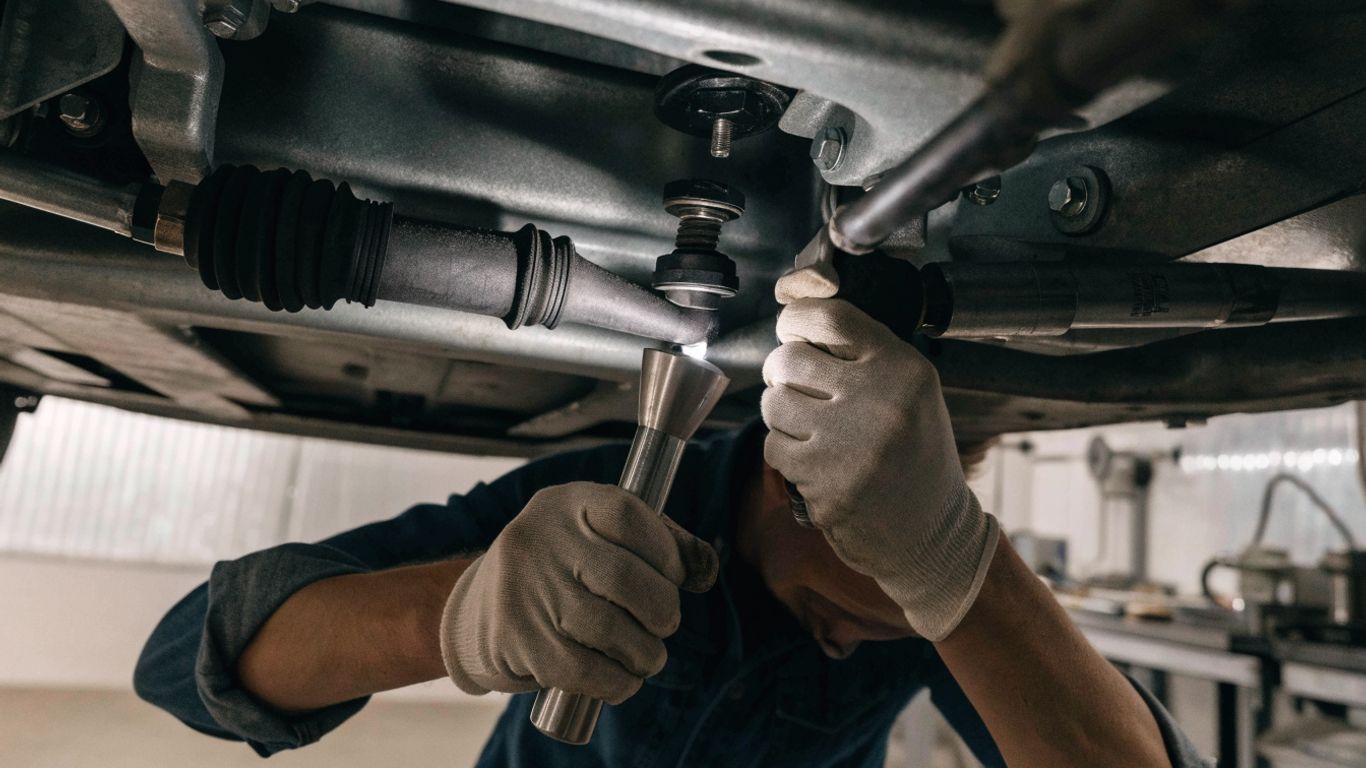
Changes in steering feel are worth noticing, especially if they persist or become more pronounced. Some symptoms can be associated with a rack fault, but they may also have other causes. A change in steering behavior is a reason to arrange an inspection rather than to assume a specific part needs replacement.
Steering feels loose, stiff, or uneven
A steering wheel that feels unusually loose, heavy, or inconsistent can point to a problem somewhere in the steering system. Pay attention to whether the sensation occurs all the time or only while turning, and whether it changes from one direction to the other. Sharing those details can help a mechanic reproduce the concern.
Clunks, knocks, or vibrations come from the front end
A knock when turning or a vibration through the steering wheel can have several possible sources. Worn joints, tires, suspension parts, and steering components may all contribute. If a new noise is paired with a change in handling, avoid treating it as a harmless rattle until the front end has been checked.
Power steering fluid leaks near the rack
A fluid stain near the front of the vehicle may come from a steering-system leak, but its location alone does not identify the failed part. Check the fluid level only as directed in the vehicle handbook and do not put hands near moving or hot components. A prompt inspection can help establish where the fluid is coming from and whether the vehicle is safe to drive.
How steering rack problems are diagnosed
A sound diagnosis starts by connecting the driver’s description with what can be observed on the vehicle. The mechanic may check steering movement, inspect for leaks, and examine nearby components before recommending work. In Adelaide, drivers can look for steering repair information when considering what a specialist inspection may cover, while remembering that the correct process depends on the vehicle and symptoms.
What a mechanic checks during an inspection
The inspection may include checking the steering wheel’s response, looking for free play or binding, examining the rack and its connections, and checking for signs of fluid loss where relevant. The mechanic may also ask when the symptom occurs and whether it changes with speed, turning direction, or road surface. A road test may help clarify the complaint when it is appropriate and safe.
A short, specific description is often more useful than a guess about the failed part. Before the visit, note the kind of symptom and when it appears:
- Does steering feel heavier while parking or at other times?
- Is there a clunk during a turn, over a bump, or both?
- Have you noticed fluid beneath the front of the vehicle?
- Did the symptom begin suddenly or build over time?
These details give the mechanic a practical starting point, but inspection findings should guide the final diagnosis. If steering becomes difficult or the vehicle feels unsafe to control, stop driving and seek professional advice.
How wheel alignment and tire wear can reveal related issues
Uneven tire wear or a vehicle that does not track straight can be a reason to check alignment and steering components. Alignment readings can reveal that wheel angles need attention, but they do not by themselves prove a rack is faulty. Tire condition, impact damage, and worn suspension or steering parts may also affect how the vehicle tracks.
Why symptoms may point to other steering or suspension parts
Steering and suspension components work together, so a single sensation can have more than one explanation. A loose joint, worn bush, damaged tire, or another steering fault may mimic a rack issue. A thorough assessment helps avoid replacing a rack when the actual problem lies elsewhere—or overlooking a rack fault because another symptom seems more obvious.
Repairing or replacing a steering rack
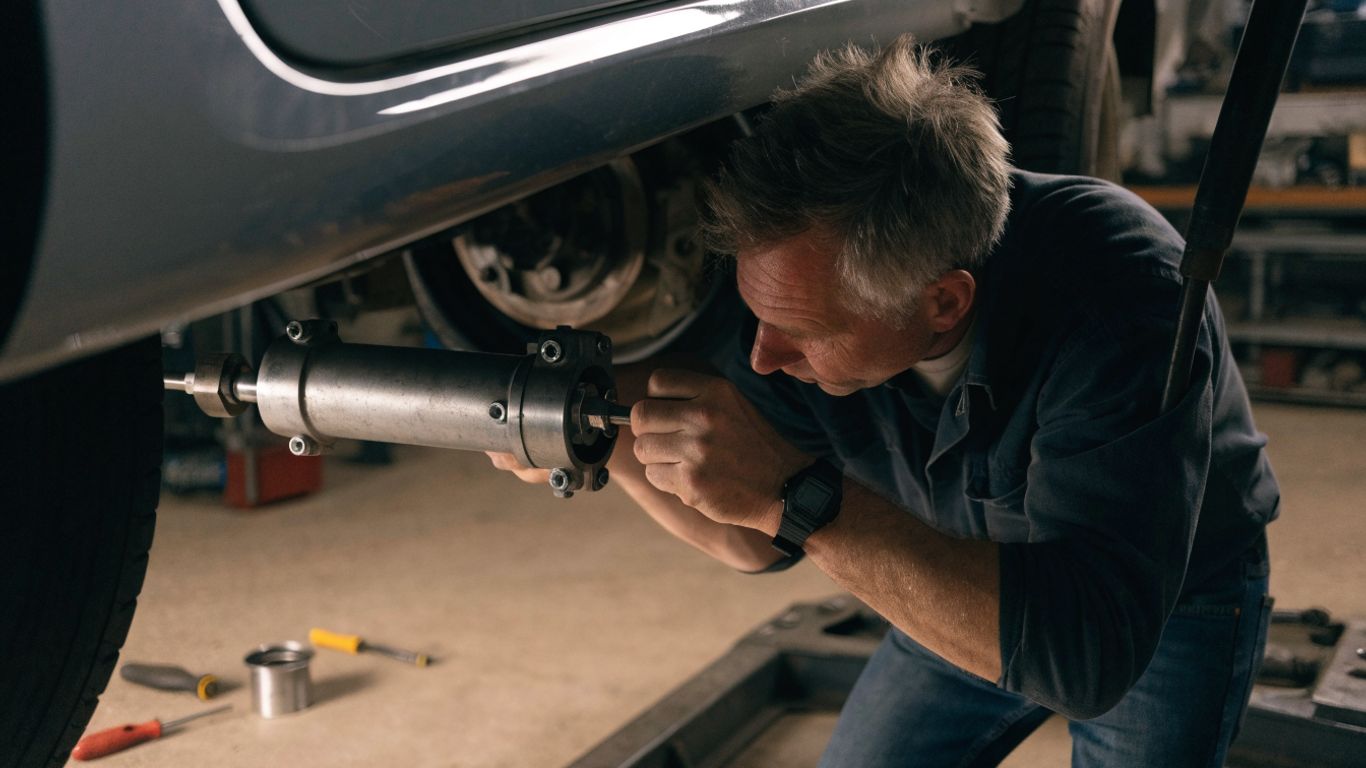
The appropriate work depends on what the inspection finds, the vehicle’s design, and whether a safe, durable repair is practical. A mechanic should explain the fault and the available options in plain language before work begins. If the rack needs to be removed or replaced, related checks and an alignment may also form part of the job.
When a repair may be suitable
A repair may be considered when the fault is limited, the affected part can be serviced, and the repair is appropriate for that vehicle. The technician should explain what will be repaired and what condition the remaining components are in. If the source of a leak or steering concern is not the rack itself, addressing the actual cause may avoid unnecessary rack replacement.
When replacement is the more practical option
Replacement may make more sense when the rack is badly worn or damaged, or when a suitable repair is not available. The decision can also depend on parts supply and the expected scope of labor. Ask whether the quote is for a new, remanufactured, or used part, and what checks are included; these options are not interchangeable in every vehicle or situation.
What to expect during removal, fitting, and alignment
Rack replacement generally involves access to the steering assembly, disconnecting related components, fitting the replacement, and checking the work afterward. The exact steps vary by vehicle, so a workshop should outline any model-specific requirements. After steering components have been disturbed, wheel alignment is commonly checked and adjusted as needed to help the vehicle track correctly.
A video can help explain the general layout, but it cannot confirm what is wrong with an individual vehicle.
What affects steering rack service costs in Adelaide
There is no single price that applies to every steering rack job. Costs depend on the vehicle, the diagnosis, the part selected, and the work needed to complete and check the repair. For a useful comparison, ask for a written quote that separates the main work from related services where possible.
Vehicle make, model, and parts availability
Different vehicles can require different rack designs, labor procedures, and parts. Availability may affect the time needed to source a suitable component, while the vehicle’s layout can affect how difficult removal and fitting are. Ask the workshop to confirm that the quoted part is matched to your vehicle rather than relying on a broad estimate for a different model.
Repair scope, replacement parts, and labor
The estimate may change depending on whether the fault can be repaired or the complete rack needs replacement. Parts can vary in type and price, and labor depends in part on access and the work involved. This comparison can help you understand what a quote covers without treating it as a fixed price for every car:
| Cost factor | What to clarify | Why it matters |
|---|---|---|
| Diagnosis | What fault was found? | Confirms the proposed work addresses the cause. |
| Part | What type of replacement is quoted? | Different part options can carry different prices and terms. |
| Labor | What removal and fitting work is included? | Vehicle design and access affect the job. |
| Related work | Is alignment or fluid service included? | Helps compare complete quotes on a like-for-like basis. |
A higher or lower estimate is not meaningful on its own if the included work differs. Ask the workshop to explain any exclusions and whether the quote could change if inspection reveals another fault.
Related work such as alignment or fluid service
After rack work, alignment may need to be checked, and hydraulic systems may require attention to fluid as part of the repair process. These items can add to the total but may be necessary to finish the job properly. Confirm which services are included and which would be charged separately before authorizing the work.
Choosing a steering rack specialist in Adelaide
A good workshop should be willing to explain what it found, what work it recommends, and why. Choose someone who can discuss the repair in terms of your vehicle rather than relying on a generic symptom list. The same value of task-specific information appears in very different subjects, from Hold The King to Flip Life: Reseller Simulator, though those guides have no connection to vehicle repair.
Questions to ask about diagnosis and repair options
Ask what evidence points to the rack, whether other steering or suspension parts were checked, and what alternatives are available. You can also ask what happens if the initial repair does not resolve the symptom. Clear answers make it easier to decide whether the proposed work fits the diagnosis and your needs.
How to compare parts, warranties, and written quotes
Look at the full scope of each written quote, not just its total. Confirm the part type, labor, alignment, any fluid service, and the warranty terms that apply to the work and parts. Reading about bespoke stone furniture, line marking paint, and neighborhood trades may involve entirely different decisions, but each subject also depends on matching choices to its particular requirements.
Why prompt checks can help prevent further wear
A steering concern that is left unchecked may make it harder to identify how the problem is changing, and a related fault could place additional strain on nearby components. Prompt assessment is especially sensible if the steering becomes difficult, a leak is visible, or the vehicle’s handling changes. It does not mean that every symptom requires a new rack; it means the cause should be established before the problem progresses.
Conclusion
A steering rack is one part of a connected system, so symptoms such as stiffness, noise, fluid loss, or uneven tire wear need careful assessment rather than a quick assumption. For a Steering rack Adelaide search, focus on a clear diagnosis, an explanation of repair and replacement options, and a written quote that sets out the work and related checks.
Frequently Asked Questions
What does a steering rack do?
It translates steering input into side-to-side movement that is carried through connected components to turn the front wheels.
Can I drive with a suspected steering rack problem?
It depends on the symptoms and the vehicle’s condition. If steering is difficult, handling feels unsafe, or fluid is leaking, stop driving and seek professional advice.
Does a stiff steering wheel always mean the rack has failed?
No. A stiff wheel can have several causes, including a problem with power assistance or another steering component. An inspection is needed to identify the source.
Can a steering rack leak be repaired?
Sometimes, depending on the source of the leak, the vehicle, and whether a suitable repair is available. A mechanic should confirm the cause before recommending work.
Will wheel alignment be needed after rack replacement?
Alignment is commonly checked after steering components are disturbed and adjusted if needed. Ask whether that work is included in the quote.
How long does steering rack replacement take?
The time varies with the vehicle, access to the rack, parts availability, and any related work. The workshop can provide an estimate after assessing the vehicle.
What should a steering rack quote include?
It should explain the diagnosed fault, the proposed repair or replacement part, labor, and any related services such as alignment or fluid work. Ask about exclusions and warranty terms as well.