

Key Takeaways
Power steering faults can come from hydraulic or electric components, and similar symptoms may have different causes. A careful diagnosis helps you choose a sensible repair and decide whether it is safe to keep driving.
- Hydraulic systems use fluid and a pump; electric systems use an electric motor to assist steering.
- Stiffness, unusual noises, fluid leaks, and warning lights deserve attention.
- A mechanic can inspect and test the system before recommending repairs or replacement.
- Repair costs depend on the fault, parts, labor, and the vehicle involved.
- If steering becomes difficult or unpredictable, stop driving and arrange help.
How power steering works
Power steering reduces the effort needed to turn the wheels, particularly at low speeds and while parking. The way it provides assistance depends on the vehicle: some systems use hydraulic pressure, while others rely on electric assistance. Knowing which type your vehicle has can help you understand what a mechanic is checking.
Hydraulic and electric systems explained
In a hydraulic system, a pump moves fluid through hoses and steering components to help turn the wheels. The pump is commonly driven by the engine, and a loss of fluid or pressure can make steering harder. Electric power steering uses an electric motor and control components instead, so it does not depend on hydraulic fluid in the same way. The layout varies by vehicle, which is why symptoms alone cannot confirm the failed part.
How steering components work together
The steering wheel transfers your input through the steering column and related linkages to the steering rack or steering box, which moves the wheels. Power assistance helps with that movement, but the tires, suspension, and other steering parts also affect how the vehicle feels. A problem elsewhere can therefore resemble a power steering fault. A mechanic considers the system as a whole rather than assuming every heavy steering complaint points to the pump or rack.
Signs your system may need attention
A change in steering effort is often the first clue, but it is not the only one. You might notice a new sound while turning, fluid under the vehicle, a warning light, or steering that feels uneven from one moment to the next. Pay attention to when the symptom occurs and whether it is getting worse. That detail can help narrow the checks needed at a workshop.
Common power steering problems
Steering symptoms can appear gradually or arrive suddenly, and they do not always point to the same cause. A small leak, worn component, electrical fault, or issue outside the assistance system may all affect steering feel. Notice the conditions in which the problem occurs, and avoid treating a warning light or noise as a diagnosis by itself.
Stiff or inconsistent steering
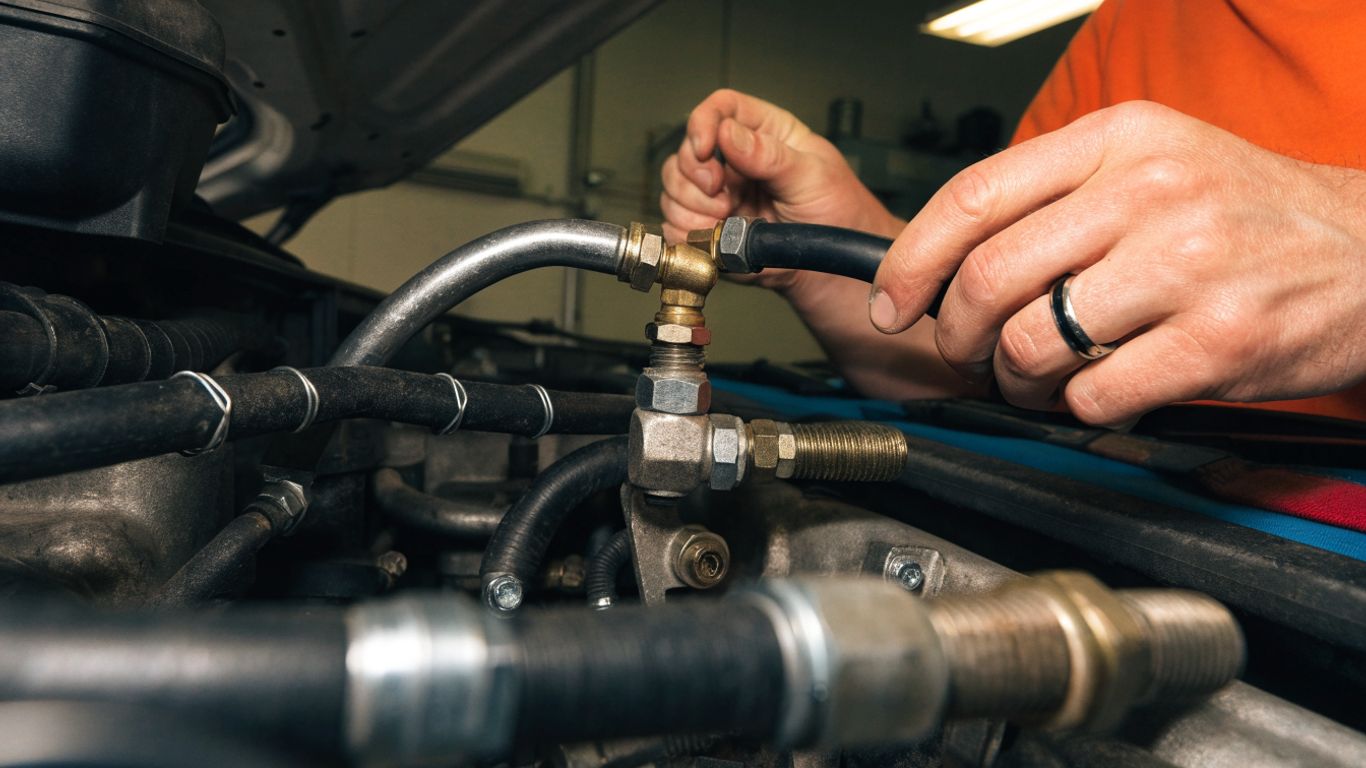
If the wheel takes more effort to turn than usual, check whether the change happens all the time or only in certain situations, such as when parking. In hydraulic systems, low fluid or a problem affecting pressure may contribute; in electric systems, a fault in the assistance components may be involved. Tire pressure and other mechanical issues can also change steering effort. A sudden change in control is a reason to stop somewhere safe and seek advice rather than continue a normal journey.
Noises, leaks, and warning lights
Whining or groaning while turning can be associated with a hydraulic steering fault, but noises may also come from other parts of the vehicle. A visible fluid leak is useful evidence for a mechanic, though the source may not be obvious from a quick look. An electric power steering warning light calls for a diagnostic check, not a guess about which component needs replacing. Note when the sound or warning appears, and whether steering effort changes at the same time.
How wear and damage affect steering performance
Wear, impact damage, or deterioration can affect steering components and make the vehicle feel loose, uneven, or less predictable. Since steering and suspension parts work together, an inspection may need to cover more than the power assistance system alone. If a mechanic finds a damaged component, ask how it relates to the symptom you noticed. That explanation makes it easier to understand why the recommended repair addresses the underlying issue.
What to expect from power steering repairs in Perth
A repair visit usually starts with your description of the symptoms and a check of the vehicle. The mechanic may inspect visible components, look for leaks or damage, and test the system according to its design. The findings guide the repair recommendation; the same symptom can call for different work on different vehicles. If you are comparing local options, you can read about steering rack and pump reconditioning as one type of specialist repair service.
How a mechanic diagnoses steering faults
A mechanic will generally ask when the problem began, whether it is constant, and what conditions make it better or worse. They may inspect fluid levels and visible hoses on a hydraulic system, or check warning indicators and electrical components on an electric system. A road test or further testing may be appropriate when it is safe to do so. A useful diagnosis connects the inspection findings to the symptom, rather than relying on a single clue.
A clear account of the issue can help focus the assessment. Useful details include:
- Whether the steering feels heavy, loose, or uneven.
- When you first noticed the change and whether it is worsening.
- Any noise, leak, or dashboard warning that appeared with it.
- Whether the symptom occurs while parking, turning, or driving straight.
Those details do not replace testing, but they give the mechanic a better starting point. Ask what checks were completed and what evidence supports the suggested repair.
Repairs for hydraulic and electric systems
A hydraulic repair may involve finding a leak, checking related hoses or components, or addressing a pump or rack fault. Electric systems require checks appropriate to their motor and electrical controls, rather than a fluid-service approach. The exact work depends on the vehicle and test results, so a repair description should say which part is being addressed and why. If the diagnosis remains uncertain, ask what further inspection would clarify it before approving additional work.
When a steering rack or pump may need replacement
A rack or pump may be considered for replacement when inspection and testing indicate that it is damaged or no longer functioning as intended. Some faults can be repaired without replacing a major assembly, so it is reasonable to ask whether repair, reconditioning, or replacement is being recommended and why. Confirm that the quote identifies the part, labor, and any related work. This helps you compare options without treating the most extensive repair as the default.
Power steering maintenance and repair costs
There is no single price for a power steering repair because the cause, vehicle, and parts required can vary considerably. A routine inspection is different from diagnosing an intermittent fault or replacing a major component. Ask for a written estimate that distinguishes diagnosis from repair, and check whether additional work will require your approval. For local readers comparing household service costs, Houston refrigerator repair concerns a separate trade and should not be used as a guide to vehicle repair pricing.
Factors that influence repair costs
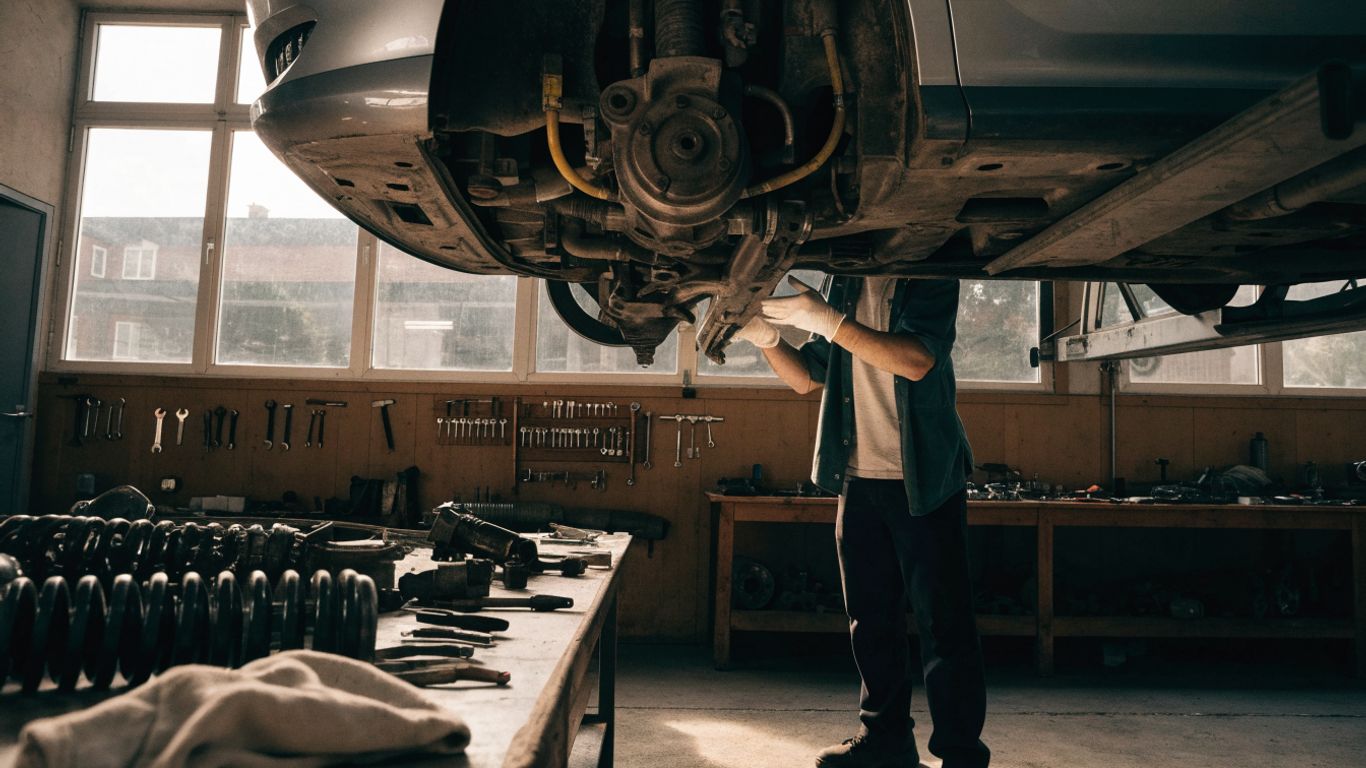
The final cost can reflect diagnostic time, the location and complexity of the fault, parts availability, and the labor involved. A vehicle with a straightforward leak may need different work from one with a failed rack or an electrical issue. The table below offers a way to organize the questions behind an estimate; it does not set prices or predict what a particular vehicle will need.
| Cost factor | What to clarify |
|---|---|
| Diagnosis | What inspection or testing is included? |
| Parts | Which component is needed, and is it new, reconditioned, or another option? |
| Labor | What work is included in the quoted labor? |
| Related work | Are any additional checks or adjustments required? |
Once you have those details, you can compare estimates more fairly. A lower total may not include the same parts or work, so compare the scope as well as the figure.
Why an accurate diagnosis matters
Replacing a component that is not responsible for the symptom can add expense without resolving the problem. A careful diagnosis helps separate the power assistance fault from issues elsewhere in the steering or suspension system. This is relevant to all repair decisions, whether the vehicle is being assessed in Perth or elsewhere. If an estimate proposes several parts, ask which finding supports each replacement.
Questions to ask before approving work
A few direct questions can make the estimate easier to understand and help prevent surprise charges. If you are also researching renovation budgets, Steele bathroom remodeling is an unrelated project; vehicle repair decisions should be based on the diagnosis and scope of work for your car. For a steering repair, focus on the proposed work and what happens if inspection reveals something further.
- What fault did the inspection identify, and how was it confirmed?
- Which parts and labor are included in the estimate?
- Will you contact me before carrying out additional work?
- Is there a warranty on the parts or repair?
Clear answers give you a practical basis for approval. Keep a copy of the estimate and note any agreed changes to the work.
Choosing a power steering specialist in Perth
A suitable repairer should be able to explain how they will assess your vehicle and what the results mean. Look for experience that matches the vehicle and fault, and ask about the parts and testing relevant to the proposed repair. Service descriptions can help you understand what a workshop offers, but they do not replace a direct conversation about your car. For example, Perth steering repair services describes one local business offering steering work.
Experience with your vehicle make and model
Ask whether the workshop regularly works on your make, model, and steering system. Differences between hydraulic and electric layouts can affect the diagnostic approach and the parts required. If your vehicle has a less common setup, find out whether the repairer can assess it or will recommend a suitable next step. A specific answer is more useful than a broad claim of experience.
Equipment, parts, and repair warranties
The testing needed depends on the fault, so ask what equipment or checks the proposed diagnosis involves. Confirm what type of parts will be fitted and whether the repair includes any warranty, with its terms in writing. If the quote relies on reconditioned parts, ask what that means for the specific component. These details help you understand what is included, without assuming every workshop offers the same process.
Comparing quotes and customer reviews
When comparing quotes, check whether they cover the same diagnosis, parts, and labor. Reviews can offer context about communication and service, but a review does not prove that a particular repair will suit your vehicle. For other local service decisions, Seattle gutter repair addresses home drainage rather than automotive work; keep your comparison focused on steering qualifications and repair scope. If a quote is notably different from another, ask what accounts for the gap before deciding.
Driving safely while steering problems are assessed
A steering problem can affect how well you control the vehicle, so use caution until it has been checked. The right decision depends on how severe the symptoms are and whether steering remains predictable. If you are unsure, contact a mechanic or roadside assistance service for advice instead of testing the vehicle in traffic. Avoid driving if you cannot confidently steer and stop safely.
When to stop driving and arrange a tow
Stop in a safe place and arrange a tow if the steering suddenly becomes very heavy, the vehicle is difficult to control, or the steering response is unpredictable. A serious leak, a warning combined with a loss of assistance, or new damage after an impact also warrants caution. Do not continue a trip simply because the vehicle can still move. Tell the person arranging assistance what changed and where the vehicle is located.
What to check before booking a repair
Before calling a workshop, note any dashboard warning and whether you have seen fluid under the vehicle. Do not put yourself under a car or touch hot or moving components to investigate. It may help to check the owner’s manual for system-specific guidance and to confirm whether the vehicle is safe to move. If you are planning home work as well, Steele bathroom contractors cover a different type of project and have no bearing on whether a car is roadworthy.
How to describe symptoms to a mechanic
Describe what you felt and when it happened rather than trying to name a failed component. Mention whether the steering is consistently heavy, whether a noise occurs during a turn, and whether any warning light appeared. Include recent impacts or changes in the vehicle’s behavior, even if they seem minor. A precise description helps the mechanic decide what to inspect first and whether the vehicle should be brought in by tow.
Conclusion
Power steering problems deserve a measured response: note the symptoms, arrange a diagnosis, and ask how the recommended repair addresses the cause. A clear estimate and an honest discussion about safety can help you make a sound decision, especially when steering effort or control has changed. If the vehicle feels unsafe to drive, stop and arrange assistance rather than risking a longer trip.
Frequently Asked Questions
What are common signs of a power steering problem?
Common signs include heavier or inconsistent steering, unusual noises while turning, visible fluid leaks, or a dashboard warning. These symptoms can have different causes, so an inspection is needed to identify the fault.
Can I drive with stiff power steering?
It depends on how severe the change is and whether you can control the vehicle reliably. If steering becomes difficult or unpredictable, stop in a safe place and arrange professional advice or a tow.
Do electric power steering systems use fluid?
Electric power steering uses an electric motor for assistance and does not rely on hydraulic fluid in the same way a hydraulic system does. The exact setup varies by vehicle.
What causes a whining sound when turning?
A whining sound can be associated with a hydraulic steering issue, but other components may also make noise. A mechanic can inspect the vehicle and determine the source rather than relying on the sound alone.
How can I tell if a steering rack needs replacing?
A steering rack should only be considered for replacement after inspection and testing indicate a fault. A mechanic can explain the findings and whether repair or another option is appropriate.
What affects the cost of power steering repairs?
Costs depend on the diagnosis, parts, labor, vehicle design, and any related work needed. Comparing written estimates with the same scope makes it easier to understand differences.
What information should I give the mechanic?
Describe when the symptom began, how steering feels, whether it changes under particular conditions, and any related noise, leak, warning light, or recent impact. This helps the mechanic plan an assessment.