

Key Takeaways
A steering rack problem can feel similar to other steering faults, so diagnosis matters before parts are replaced. Knowing what to ask can help you compare repair options and quotes in Melbourne.
- The rack converts steering-wheel movement into movement at the front wheels, with hydraulic or electric assistance depending on the vehicle.
- Heavy steering, leaks, clunks, and vibration deserve attention, but none confirms a rack fault on its own.
- A mechanic should inspect the wider steering system before recommending repair or replacement.
- The vehicle, part type, related work, and alignment needs all affect the final cost.
- Ask for a written quote that states the part, labor, warranty, and included services.
How a power steering rack works
A power steering rack is part of the link between the steering wheel and the front wheels. It turns the driver’s input into side-to-side movement, while the assistance system helps reduce the effort needed to steer. The details vary between vehicles, so understanding the basics is useful when discussing a suspected fault.
How the rack turns steering wheel movement into wheel movement
When the steering wheel turns, movement travels through the steering shaft to a small gear, called the pinion, which meshes with teeth on the rack. That interaction shifts the rack from side to side, and connected steering linkage moves the front wheels. The mechanical connection remains important even when a power-assist system is helping the driver turn.
For a concise overview of the mechanism, this explanation of rack-and-pinion steering can help put the parts in context. The exact layout and service requirements still depend on the vehicle.
How hydraulic and electric steering racks differ
A hydraulic system uses pressurized fluid to assist steering, typically with a pump and control components. Electric power steering uses an electric motor to provide assistance, and its layout can vary by vehicle. These systems may produce similar steering feel when working properly, but their components and diagnostic steps are not interchangeable.
How the rack works with the pump, fluid, and steering linkage
In a hydraulic setup, the pump supplies fluid pressure and the rack’s internal components direct that assistance as the steering wheel turns. Fluid condition and leaks elsewhere in the system can affect operation, so a change in steering feel does not automatically mean the rack itself has failed. The rack also connects to steering linkage, making joints and related components part of the overall check.
Signs your power steering rack may need attention
Changes in steering feel, noises, or fluid around the vehicle can be reasons to arrange an inspection. They are clues rather than a diagnosis, since tires, suspension parts, the pump, and other steering components can cause similar symptoms. Notice when the change occurs and whether it is getting worse; those details can help a mechanic narrow down the cause.
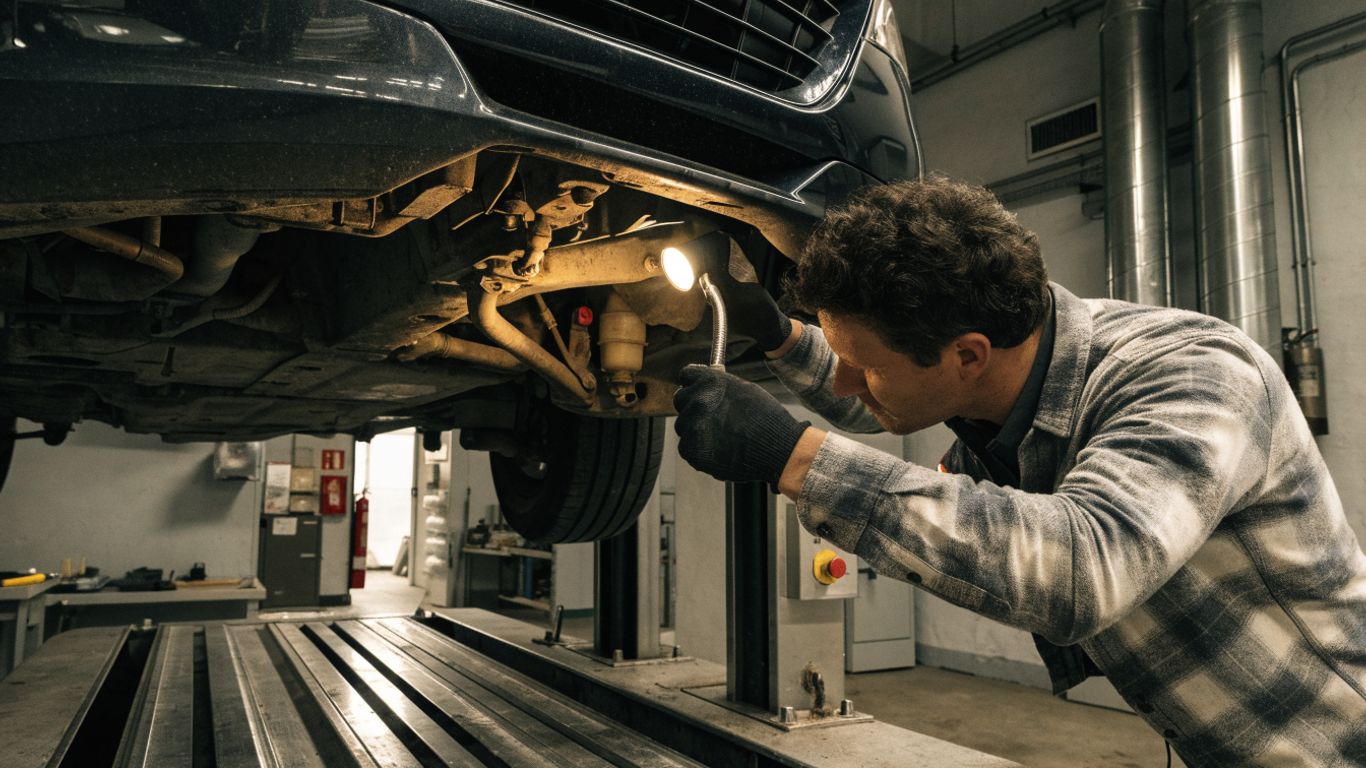
Steering feels heavy, loose, or inconsistent
Steering that suddenly feels harder to turn, has excess play, or responds unevenly deserves attention. A change may be more noticeable at low speed or during a turn, but the pattern alone cannot identify the faulty part. If control feels compromised, avoid unnecessary driving and have the vehicle assessed promptly.
Fluid leaks appear near the rack or steering components
A wet area near steering components can indicate a leak, but fluid may travel from another part of the system before it becomes visible. Check only from a safe position and avoid reaching beneath a vehicle that is not properly supported. A mechanic can identify the fluid and trace its source rather than assuming the rack is responsible.
Clunking, whining, or vibration occurs while steering
A clunk during a turn, a whine that changes with steering input, or vibration through the wheel can have several possible causes. In a hydraulic system, a low fluid level or pump issue may contribute to noise; loose or worn steering and suspension components can also cause knocks. A symptom is not a diagnosis, so note when it happens and have the system checked before authorizing parts replacement.
How mechanics diagnose steering rack problems
A useful diagnosis looks at the complete steering system rather than treating one symptom as proof of rack failure. The mechanic may ask when the issue occurs, inspect for leaks and looseness, and compare the behavior of related components. That process helps separate a rack fault from problems elsewhere and can prevent replacing a part that is still serviceable.
How an inspection distinguishes rack faults from other issues
A visual and physical inspection can reveal fluid traces, damaged boots, loose connections, or wear in steering linkage and suspension parts. A technician may also check the tires and compare steering response from side to side. These checks provide context; a leak or noise in the general area is not enough by itself to establish that the rack needs replacement.
What diagnostic tests may reveal
Depending on the vehicle and symptoms, a mechanic may check fluid level and condition, inspect hydraulic pressure, or use electronic diagnostic equipment on an electric-assist system. A road test, when safe, may help reproduce an intermittent concern. The findings should connect the test result to the symptom and identify what further work, if any, is justified.
A quick web search can also surface information from unrelated subjects, such as microneedling, AI search citations, a Sol scanner, an immigration appeal, or Elaré. Those pages do not diagnose a steering concern; stick to automotive information and ask the mechanic to explain findings specific to your vehicle.
Why a professional check matters before replacing parts
Steering components affect vehicle control, and similar symptoms can come from different faults. Before approving a rack, ask what inspection or test supports the recommendation and whether another part could explain the same behavior. For a more methodical appointment, it can help to have these details ready:
- When the symptom first appeared and whether it is worsening.
- Whether it happens while parked, at low speed, or during a turn.
- Any fluid seen on the ground or around the steering components.
- Recent repairs, impacts, or changes in steering feel.
Those details help focus the inspection without replacing a professional assessment. A clear explanation of the evidence and next steps is a good basis for deciding what work to authorize.
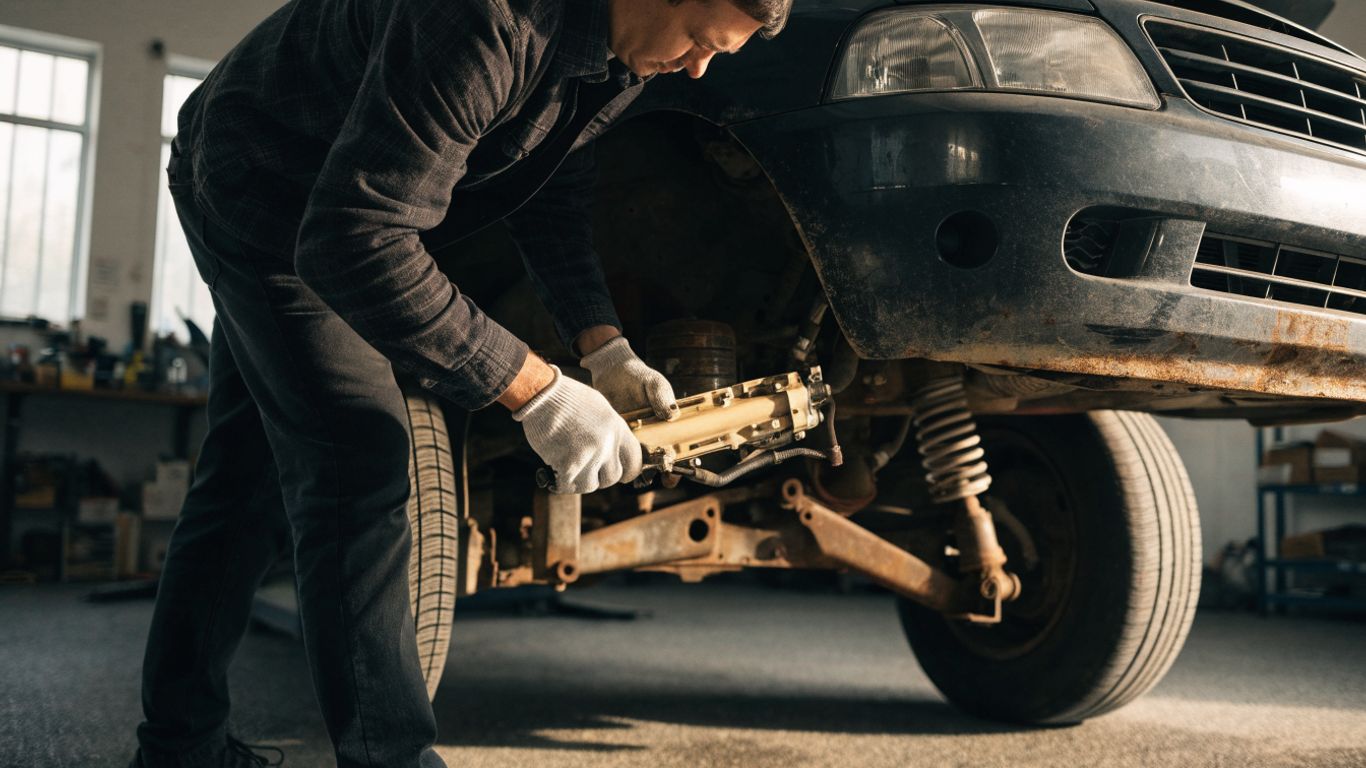
Repairing or replacing a power steering rack
The right repair depends on what has failed, the rack’s condition, and the parts available for the particular vehicle. A mechanic should explain whether the fault can be addressed without replacing the whole assembly or whether a replacement is more appropriate. Ask what the proposed work includes, as parts, installation, fluid service, and follow-up checks may all affect the job.
When a rack repair may be an option
A repair may be possible when the fault is limited to a serviceable component and the rack’s main parts remain in suitable condition. The mechanic should explain what will be repaired and how the result will be checked. Some designs or damage patterns may make a repair impractical, so the decision should be based on inspection and parts availability rather than a general rule.
When replacement is more suitable
Replacement may be the better option when the rack has significant wear or damage, or when a repair cannot reliably address the diagnosed fault. Options can include new, remanufactured, or used parts, depending on the vehicle and availability. Some suppliers offer reconditioned steering components; ask what inspection, rebuilding, and testing were performed on the specific part being quoted.
What to expect during rack removal and installation
Rack replacement usually involves access to steering connections and the removal and fitting of the assembly. The mechanic may need to disconnect and reconnect related components, then check the system for correct operation and leaks. The precise procedure varies by vehicle, so the quote should identify the labor and any additional work anticipated for that model.
Why wheel alignment may be needed after the work
Removing and reinstalling steering parts can affect the relationship between the steering rack and the wheels. An alignment check helps confirm the wheels are set to the vehicle’s specifications after the work. Ask whether the quote includes alignment or whether it will be charged separately, and follow the workshop’s guidance before returning to normal driving.
What affects power steering rack costs in Melbourne
There is no single price that applies to every power steering rack job. The vehicle, part choice, labor involved, and condition of nearby components all influence the quote. Published estimates can be useful as a starting point, but an estimate is not a vehicle-specific price; a general rack replacement cost guide likewise should be compared with an itemized local quote.
How vehicle make and model influence parts and labor
The rack’s design and availability differ across makes and models, and some vehicles take longer to access or install the assembly. A quote may also change if the part has to be sourced specifically for the vehicle. A car parts supplier may help locate the correct component through a parts network, but confirm fitment using the vehicle details and part information before work begins.
How new, remanufactured, and used racks compare
Each type can differ in price, condition, and the assurance provided with it. Rather than comparing labels alone, ask what the part includes and what checks have been performed. The table below gives questions to raise with the mechanic or supplier; actual terms vary by part and seller.
| Part option | What to clarify | Cost considerations |
|---|---|---|
| New | Whether it is correct for the vehicle and what warranty applies | Often priced differently from rebuilt or used options |
| Remanufactured | What was inspected, rebuilt, and tested | Ask whether the quoted price includes any core or exchange terms |
| Used | The part’s history, condition, and return terms | Lower upfront price may come with different warranty coverage |
Compare the answers alongside the labor and warranty, not just the part price. If the quote does not describe the part clearly, ask for the brand or supplier details and written terms before approving the job.
Which related repairs can add to the final bill
A diagnosis may uncover related issues that need attention, such as leaking hoses, worn steering joints, or other components affecting steering operation. Fluid service or an alignment may also be listed separately. Ask the mechanic to distinguish confirmed faults from precautionary recommendations so you can understand which work is essential now and which can be considered later.
What to ask for in a written quote
A useful quote should make the scope of work easy to understand and allow you to compare like with like. Our car parts network is intended to help customers find quality used, genuine, and aftermarket parts, but a workshop quote should still state exactly which part and labor it covers. Check that it sets out:
- The diagnosis and reason for the recommended repair or replacement.
- The part type, supplier or identifying details, and warranty terms.
- Labor, fluid, alignment, and any other included or excluded work.
- Whether additional work requires your approval before it proceeds.
Keep the written quote and compare its inclusions, not only its total. If anything remains unclear, ask for a revised version before booking the repair.
Choosing a power steering rack specialist in Melbourne
A suitable specialist should be able to explain the diagnosis, the part options, and the work required for your vehicle. Experience with the relevant make and model can help a workshop plan the job, but clear communication matters too. Compare the written scope, warranty, and follow-up arrangements before deciding where to book.
How to compare experience with your vehicle type
Ask whether the workshop regularly works on your vehicle type and whether it can source the correct rack for your exact model and configuration. A specialist should be able to explain any model-specific considerations without treating all steering systems alike. Our car parts network connects customers with parts across Melbourne and nationwide; confirm with the workshop that any proposed part is suitable for your vehicle before installation.
What warranty and parts information to request
Ask whether the warranty covers the part, labor, or both, and what conditions apply if a problem returns. Confirm whether the rack is new, remanufactured, or used, and request the supplier or identifying details. Written terms make it easier to understand what is covered and who to contact if the repair does not resolve the issue.
How to check the scope of the repair and included services
Read the quote for the diagnosis, part, installation labor, fluid work, and alignment. A low headline price may not include every step needed to complete the job, so ask for any exclusions and possible additional charges to be stated. Our car parts network focuses on connecting customers with quality used, genuine, and aftermarket parts; the repairer should separately confirm the complete installation scope and any workshop services.
What to confirm before booking and collecting your vehicle
Before booking, confirm the expected timing, part availability, quote approval process, and warranty terms. When collecting the vehicle, ask what was replaced, what checks were completed, and whether any follow-up is recommended. Keep the invoice and repair details, and ask the workshop what to do if the original steering symptom remains or returns.
Conclusion
Power steering concerns can have more than one cause, so a careful diagnosis is the best starting point for deciding between repair and replacement. Compare itemized quotes that explain the part, labor, warranty, and alignment, and choose a Melbourne specialist who can clearly connect the recommended work to the inspection findings.
Frequently Asked Questions
What does a power steering rack do?
It transfers steering input through the steering linkage so the front wheels turn. Depending on the vehicle, hydraulic or electric assistance helps reduce the effort required at the steering wheel.
Can I drive with a suspected steering rack problem?
If steering feels unreliable, becomes suddenly heavy, or the vehicle is difficult to control, avoid driving and arrange professional help. A mechanic can assess the urgency and advise whether the vehicle should be moved or towed.
Does a fluid leak always mean the rack is faulty?
No. Fluid may come from another part of the hydraulic steering system or travel before it becomes visible. A mechanic should trace the source before recommending a repair.
How can I tell whether a rack needs repair or replacement?
The choice depends on the specific fault, the rack’s condition, the vehicle design, and parts availability. Ask the mechanic to explain the inspection findings and why the proposed option is suitable.
What information should I provide when requesting a quote?
Provide the vehicle’s make, model, year, and any relevant variant details, along with a description of the symptoms. Mention when they occur and share any inspection findings or previous repairs if available.
Does replacing a steering rack require wheel alignment?
An alignment check is commonly considered after steering components are removed or installed because the work can affect wheel positioning. Confirm whether it is required for your vehicle and whether it is included in the quote.
What should a steering rack quote include?
It should identify the recommended work and part type, labor, warranty, and any additional services such as fluid work or alignment. It should also state exclusions and whether the workshop will seek approval before adding work.