

Key Takeaways
Power steering problems can start with a small change in feel or sound, but the cause is not always obvious. A careful inspection can help identify the fault before repair work begins.
- Heavy steering, unusual noises, leaks, or warning lights can point to a power steering fault.
- Hydraulic systems and electric systems have different components and diagnostic needs.
- A mechanic should check the cause rather than assume a symptom means a particular part has failed.
- Repair costs depend on the fault, the vehicle, parts, labour, and the work needed to access components.
- Compare written quotes, warranties, and repair timelines before choosing a mechanic in Sydney.
Signs your power steering needs repair
Power steering is designed to make turning the wheel easier, so a change in steering effort or feel is worth paying attention to. Symptoms may appear gradually or arrive suddenly, and one sign on its own does not identify the failed part. Take note of when the problem occurs, such as during parking, at low speeds, or throughout a drive. That detail can help a mechanic investigate the issue.
Steering feels heavy or stiff
If the wheel takes noticeably more effort to turn, especially while parking or moving slowly, the power assistance may not be working as it should. The cause could sit in a hydraulic or electric system, and ordinary factors such as tyre condition can also affect steering feel. Notice whether the change is constant, intermittent, or limited to one direction. If the steering becomes difficult to control, avoid continuing to drive and arrange an inspection.
Whining, groaning, or squealing sounds
A whine or groan that changes as you turn the wheel can be associated with a power steering problem, while a squeal may come from a belt or another component. Sound alone is not a diagnosis: similar noises can have different causes, and their timing matters. Listen for whether the noise happens when the engine starts, only while turning, or even with the wheel straight. Describe what you hear rather than trying to identify a part yourself.
Fluid leaks or warning lights
A wet patch or fluid residue near the front of the vehicle may warrant a closer look, particularly if steering effort has changed. Do not assume that every leak is power steering fluid; a mechanic can identify the source and check related components. In vehicles with electric assistance, a dashboard warning may indicate a system fault even though there is no hydraulic fluid to inspect. Early diagnosis can limit further wear, but the right next step depends on the vehicle and the severity of the symptom.
Common causes of power steering problems
Power steering systems use different designs, and the likely causes vary accordingly. Hydraulic systems rely on fluid and mechanical components; electric systems use electrical and electronic parts to provide assistance. Wear, leaks, contamination, or an electrical fault can affect steering, but a symptom does not reveal which one is responsible. Identifying the system type is a useful starting point for diagnosis.
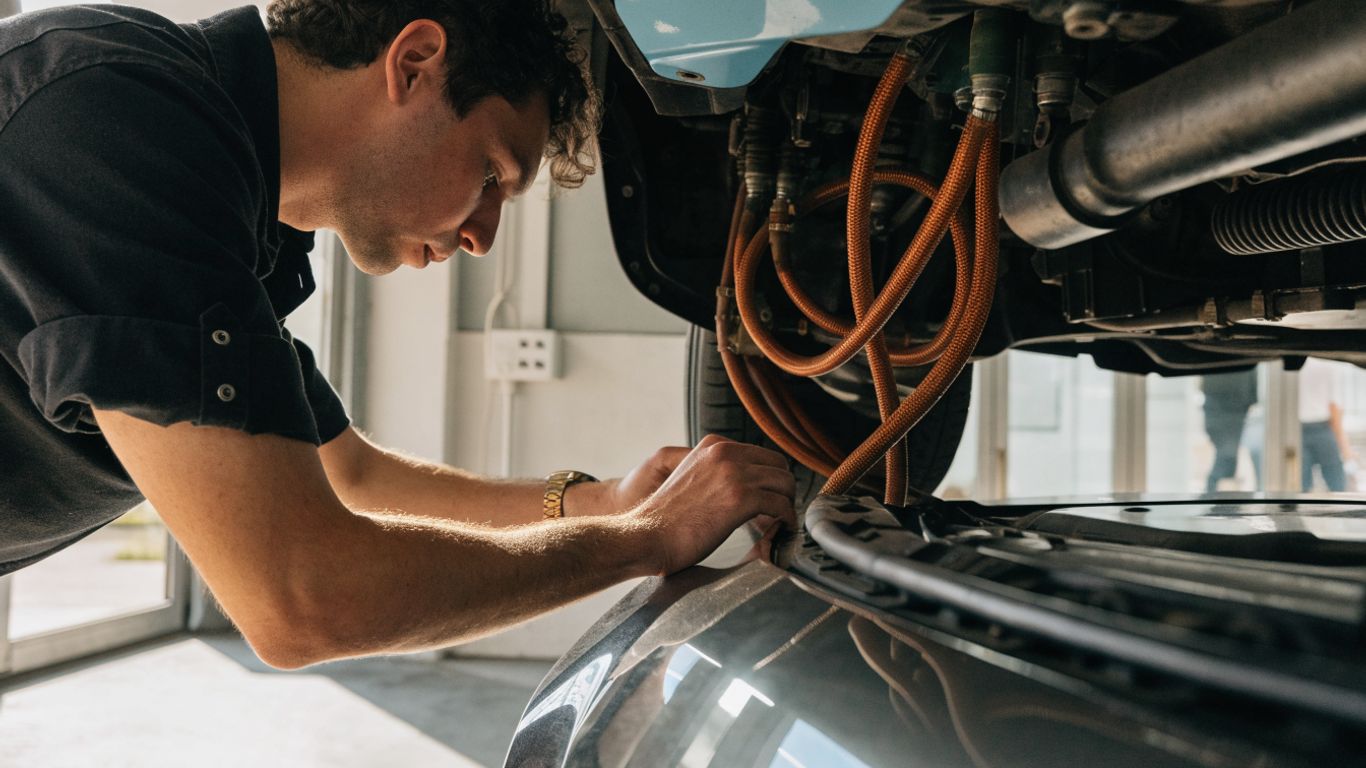
Low or contaminated hydraulic fluid
A hydraulic system may lose fluid through a leak, or its fluid may become dirty or degraded over time. Low fluid can affect operation and may contribute to noise, but simply topping it up does not fix the source of a leak. The correct fluid type and service procedure depend on the vehicle, so check the owner’s manual or ask a mechanic before adding anything. A proper inspection should look at both the fluid condition and the system for signs of loss.
Worn pumps, belts, hoses, or steering racks
Hydraulic steering uses components such as a pump, hoses, and a steering rack, and wear or damage in any of them can interfere with assistance. A worn belt may also affect a pump driven by the engine. Because these parts connect as a system, a noisy pump does not automatically mean the pump itself needs replacing. A mechanic can check connections, movement, leaks, and component condition before recommending work.
Electrical faults in power steering systems
Electric power steering does not use hydraulic fluid in the same way as a conventional hydraulic setup. Problems may involve wiring, sensors, control components, or the electric assist mechanism, depending on the vehicle. A warning light or intermittent loss of assistance calls for diagnosis rather than guesswork. The inspection and testing approach should match the vehicle’s system and the fault symptoms.
How mechanics diagnose steering issues
Diagnosis usually starts with the driver’s description and a check of the vehicle, rather than an immediate decision to replace a part. A mechanic needs to establish whether the system is hydraulic or electric and reproduce or investigate the reported symptom safely. They may then inspect visible components, test relevant parts, or use diagnostic equipment. The findings should guide the repair recommendation.
Checking fluid levels, leaks, and visible wear
For a hydraulic system, an inspection may include fluid level and condition, visible leaks, hose connections, belts, and accessible components. The mechanic may also check for looseness or wear around steering parts. A fluid top-up without finding out why the level is low can leave the underlying problem unresolved. If the vehicle has electric steering, the checks will differ and should focus on the applicable electrical and mechanical components.
Testing hydraulic pressure and steering components
When visual checks do not explain the symptom, a mechanic may test hydraulic pressure and assess how the system behaves under the relevant conditions. These checks can help distinguish between a pump issue, a restriction, or another fault in the system. Testing should follow a procedure suited to the vehicle, since not every steering setup is the same. The results help establish whether a component can be repaired or needs replacement.
Scanning electric power steering systems for fault codes
A diagnostic scan can help identify stored fault codes in an electric power steering system, but a code is a clue rather than a complete repair instruction. The mechanic may need to confirm the issue by inspecting wiring, connections, sensors, or other relevant components. A code should be interpreted alongside the symptom and any physical test results. That combination is more useful than replacing parts based on a scan alone.
Power steering repair and replacement options
The appropriate repair depends on what testing finds and on the vehicle’s design. Some faults can be addressed by repairing a leak or connection; others may require a major component to be replaced. A mechanic should explain what has failed, what work is proposed, and why that option fits the evidence. Ask whether the quote covers related parts, fluids, testing, and any follow-up checks.
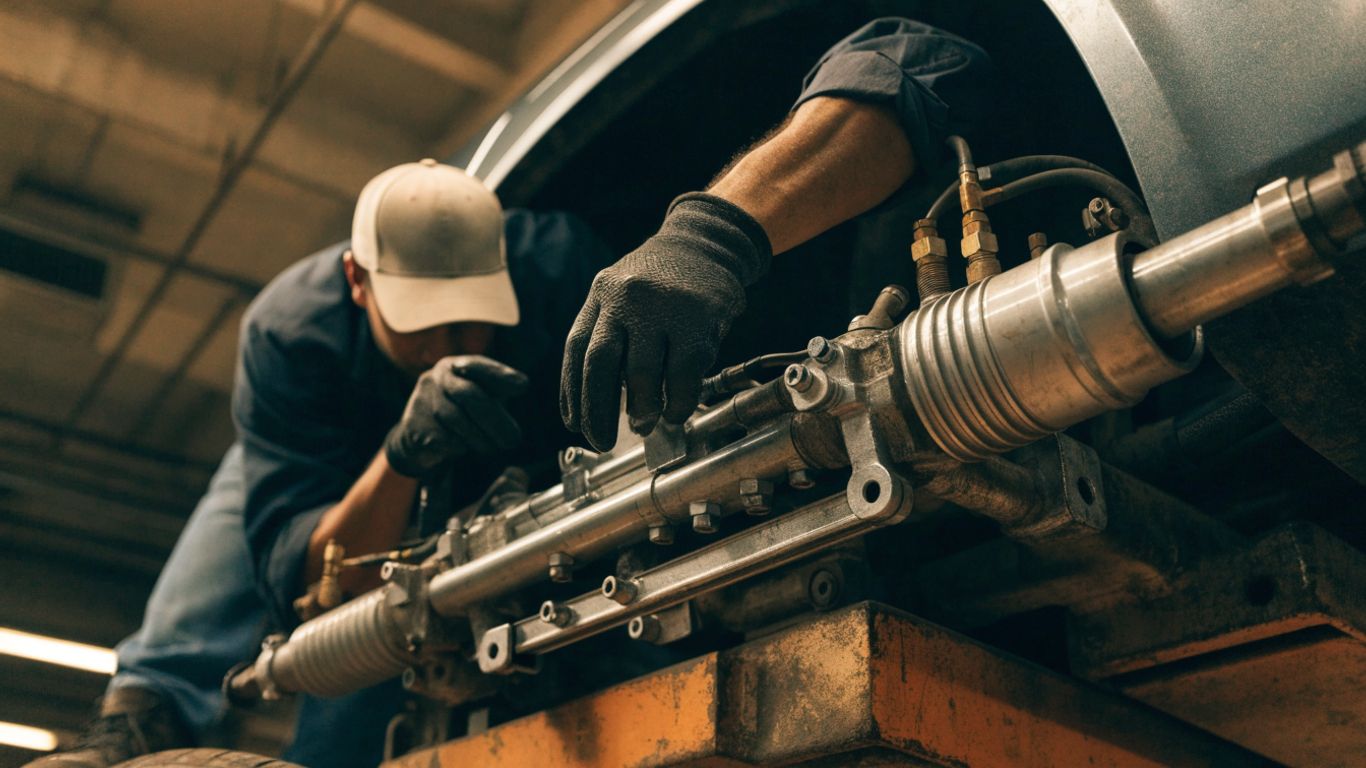
Repairing leaks, hoses, and worn connections
If an inspection locates a leak at a hose, connection, or seal, the mechanic can explain whether it can be repaired or whether the affected part needs replacement. The system may also need its fluid level restored and its operation checked after the repair. Before authorising work, ask what the source of the leak was and how the mechanic will verify the fix. This helps distinguish a lasting repair from simply cleaning or topping up the system.
A useful repair explanation should make clear what was found and what will be checked once the work is complete. Depending on the fault, the steps may include:
- Replacing a damaged hose or connection.
- Repairing a confirmed leak at an accessible component.
- Refilling or servicing the hydraulic system where required.
- Checking steering operation after the repair.
The list is not a universal service schedule; the mechanic should tailor the work to the vehicle and confirmed fault. If the estimate includes several items, ask which ones directly address the problem and whether any are preventive recommendations.
Replacing a pump, steering rack, or other major part
A pump or steering rack may need replacement if testing confirms a failure that cannot be suitably repaired. Major component work can involve additional labour, parts, and checks, so the estimate should spell out what is included. Ask whether the quoted part is new, used, genuine, or aftermarket, and what warranty applies. The mechanic should also explain why replacement is preferable to repair in this particular case.
Servicing electric power steering components
Electric steering faults can call for electrical diagnosis, repair of a connection, or replacement of a confirmed faulty component. The exact options depend on the system and the test results; hydraulic fluid service is not a universal fix for electric steering. Ask how the mechanic confirmed the fault and whether the system will be checked again after the work. A clear explanation makes it easier to understand what the repair is intended to resolve.
What affects power steering repair costs in Sydney
There is no single price that applies to every power steering fault. The vehicle, system type, parts required, and time needed to diagnose and access the problem all affect the estimate. Sydney repair quotes may also differ in what they include, so compare the scope of work rather than the headline figure alone. A written estimate helps you see where the cost comes from.
The type of steering system and fault
A hydraulic leak, an electric fault, and a failed steering rack are different jobs with different diagnostic and repair requirements. Vehicle make, model, and system design also influence which parts are suitable and how accessible they are. Ask the mechanic to state the diagnosed fault, not just the symptom, and to separate confirmed work from anything still being investigated. That makes it easier to compare like with like.
Parts, labor, and repair complexity
Parts availability and the labour involved can make a substantial difference to the final quote. To compare estimates, look for the main cost categories and note whether diagnosis, fluids, testing, and taxes are included. Here is a simple way to read a quote; it is not a price list, and the actual items will depend on the repair.
| Estimate item | What to clarify | Why it matters |
|---|---|---|
| Diagnosis | What tests have been completed? | Shows how the fault was identified |
| Parts | What type and source of part is quoted? | Helps compare equivalent options |
| Labour | What work and access time are included? | Explains differences in repair scope |
| Follow-up | Is testing or a warranty included? | Clarifies what happens after the repair |
If an estimate is much lower than another, check whether it covers the same diagnostic work, parts, and follow-up. Comparing details can prevent surprises and helps you ask focused questions before approving the job.
Whether repair or replacement is the better value
Repairing one failed connection may be a better fit than replacing a complete assembly, while a worn or damaged major component may make replacement the more sensible option. Ask the mechanic to explain the expected outcome, warranty, and any risks of choosing the lower-cost alternative. Similar repair-versus-replacement decisions arise in other kinds of maintenance, such as driveway repair choices or deciding between roof repair and replacement; for your car, the recommendation should still rest on its own inspection and evidence. Do not approve extra work simply because it is bundled with a quote.
How to choose a power steering mechanic in Sydney
A good choice is a mechanic who can explain the diagnosis and the proposed work in terms you understand. Before booking, confirm they can work on your vehicle and steering system, and ask what information they need to provide an estimate. If you are comparing a workshop visit with a mobile option, check what each service can inspect and repair at your location. Keep the focus on clear communication, suitable experience, and written terms.
Check experience with your vehicle and steering system
Ask whether the mechanic regularly diagnoses the type of steering system fitted to your vehicle, especially if it uses electric assistance or has an intermittent fault. A brief description of the symptoms, warning lights, and when the issue occurs can help them say what initial checks may be needed. Do not treat a general assurance as proof that a specific fault has been diagnosed. You can also ask what tests they expect to carry out before recommending parts.
Compare written quotes, warranties, and repair timelines
A written quote should identify the work, parts, labour, and any conditions that could change the estimate. Ask what warranty applies to parts and labour, how long the repair is expected to take, and whether the vehicle needs to remain at the workshop. If a diagnosis is still underway, ask how the mechanic will contact you before proceeding with additional work. As with hail damage repair, roofing work, or any other maintenance decision, it helps to understand what a quote does and does not cover; steering repairs themselves should be assessed on their own merits.
Decide between a mobile service and a workshop
A mobile mechanic may be convenient for an initial assessment or a repair that can be completed safely at the vehicle’s location. A workshop may be necessary when the job needs specialist equipment, a lift, or more extensive testing. Ask which checks and repairs can be done on site, and what happens if the vehicle cannot be driven safely. Some services describe both mobile and workshop repair options, but availability and suitability depend on the provider and the fault.
Conclusion
Changes in steering feel, unusual noises, fluid leaks, and warning lights are all reasons to have the system checked, though none identifies a failed part on its own. A mechanic’s diagnosis should account for the vehicle’s steering design and explain the evidence behind the recommended repair. In Sydney, comparing written quotes, repair scope, warranties, and timelines can help you choose a suitable option without relying on guesswork.
Frequently Asked Questions
Can I drive with heavy power steering?
If steering becomes difficult to control, stop driving when it is safe to do so and arrange professional advice. A mechanic can assess whether the vehicle is safe to move and identify the cause.
What does a whining noise when turning mean?
A whining noise can be associated with a power steering issue, but it does not confirm which part is at fault. Note when it occurs and have the vehicle inspected.
Can low power steering fluid cause stiff steering?
Low fluid may affect a hydraulic system, but the reason for the low level should be checked. Simply topping it up may not resolve a leak or other underlying fault.
Do electric power steering systems use fluid?
Electric power steering generally does not use hydraulic fluid in the same way as a hydraulic system. The vehicle’s manual or a mechanic can confirm which system it has.
How long does power steering repair take?
Timing depends on the diagnosis, parts availability, vehicle design, and the work required. Ask the mechanic for an estimate once they have inspected the vehicle.
Is it better to repair or replace a steering rack?
That depends on the rack’s condition, the confirmed fault, and the available repair options. Ask for the reasoning, warranty, and total cost for each suitable option.
What should I ask before approving a repair?
Ask what fault was found, what parts and labour are included, whether testing is included, what warranty applies, and whether you will be contacted before any additional work.