

Key Takeaways
Whether it is cheaper to repair or replace a steering rack depends on the source of the fault, the rack’s internal condition, and the value of the vehicle. A careful diagnosis is more useful than choosing the lowest quote immediately.
- A leaking seal or boot may be repairable without replacing the entire rack.
- Internal wear, looseness, or repeated leaks often make replacement the safer long-term choice.
- Replacement costs include parts, labor, fluid, alignment, and possible related repairs.
- The vehicle’s age, mileage, condition, and market value should shape the decision.
- Ask for a written diagnosis and compare repair and replacement warranties before authorizing work.
What a steering rack does and why it fails
The steering rack converts movement at the steering wheel into movement at the front wheels. Depending on the vehicle, hydraulic or electric assistance helps reduce the effort required to turn. Because the rack affects directional control, a suspected failure deserves a proper inspection rather than a guess based only on a fluid leak or noise.
How the rack-and-pinion steering system works
A rack-and-pinion system uses a small gear, called the pinion, to move a toothed bar from side to side. That movement passes through inner and outer tie-rod connections to the steering knuckles, turning the wheels. Hydraulic systems use fluid pressure for assistance, while electric systems use a motor and control components.
The rack is only one part of this chain. Steering-wheel play, pulling, or a clunk can come from the rack, tie rods, ball joints, intermediate shaft, tires, or suspension. That is why the first useful question is not simply whether the rack is leaking, but whether the rack itself is damaged.
Common signs of steering rack trouble
Symptoms vary with the type of steering system and the severity of the fault. A driver may notice a steering wheel that feels loose, effort that changes during a turn, or a vehicle that no longer responds evenly from left to right. Fluid on the ground can also point to a hydraulic leak, although fluid may have traveled from a hose, pump, or fitting.
A rack problem becomes more concerning when symptoms affect control. Notchy steering, excessive free play, or a rack that binds in part of its travel should be checked promptly. A useful overview of these symptoms is available in this steering rack repair guide, but the vehicle still needs an in-person diagnosis.
Leaks, looseness, noise, and uneven steering
A small seep around a seal is different from fluid loss that repeatedly lowers the reservoir. Likewise, a light noise on full lock may have a different cause from a clunk that occurs over bumps or while changing direction. The location, timing, and pattern of the symptom help a technician separate a rack fault from a wider steering-system issue.
Uneven steering effort can also result from air in a hydraulic system, contaminated fluid, a failing pump, or an electrical-assist fault. Before approving a rack, ask the shop to show where the leak begins and to explain how the test confirms internal wear. That evidence can prevent an expensive part from being installed unnecessarily.
When another steering component may be the real problem
Tie rods, boots, hoses, fittings, pumps, and suspension joints can imitate rack failure. A torn boot may allow dirt into a joint without proving that the rack housing or internal gears have failed. Similarly, a worn tie rod can create looseness even when the rack remains serviceable.
The inspection should identify the failed component, not just list a broad symptom. If the estimate says “steering rack issue,” request the exact leak point, measured play, affected side, and any photographs or test results. Those details make the repair-versus-replacement decision much clearer.
How much steering rack repair typically costs
Steering rack repair can mean anything from replacing an external boot to removing the rack and rebuilding its internals. As a result, there is no single universal price. The bill depends on what failed, whether the rack must come out of the vehicle, and whether replacement parts are available for that model.
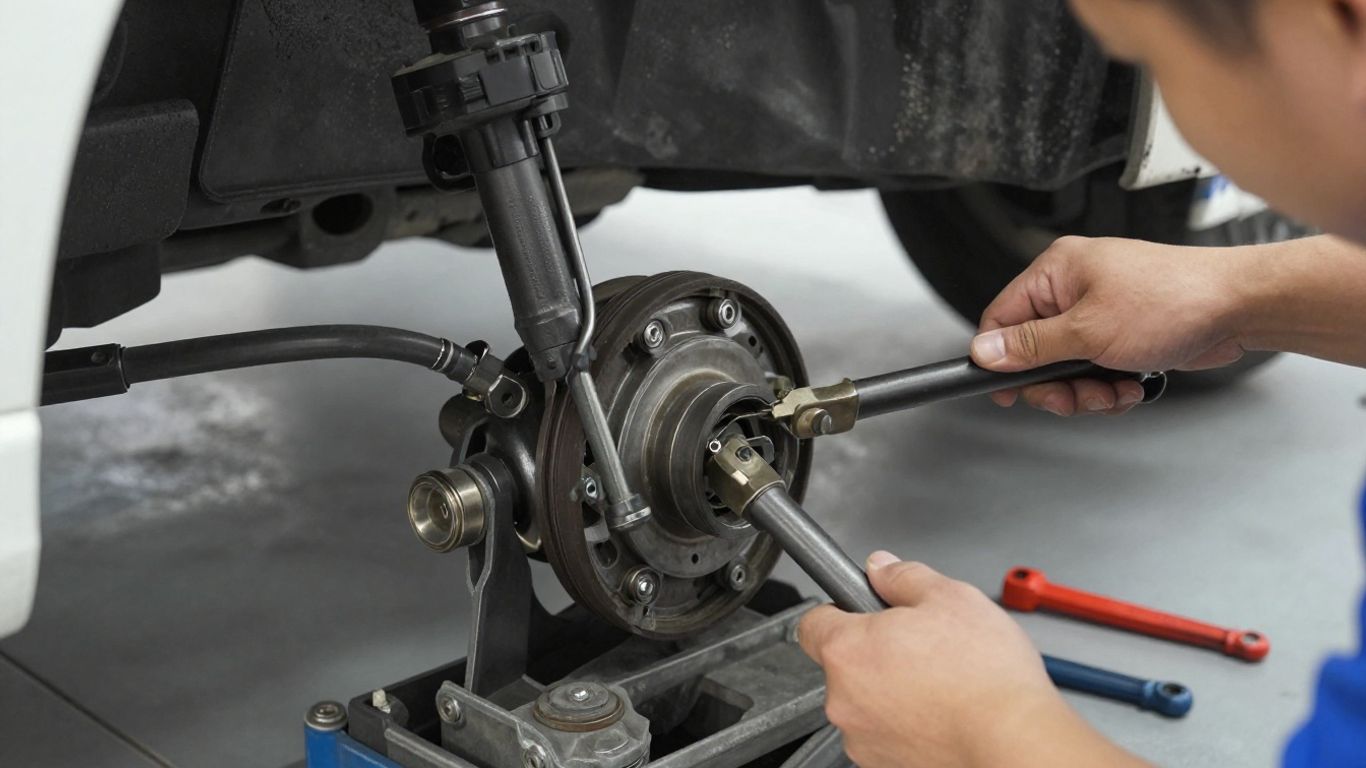
Common rack repair options and their price ranges
The least expensive work may involve a hose, fitting, boot, or external seal that can be reached without dismantling the rack. A complete rebuild is more involved and may include removal, cleaning, inspection, replacement seals, and testing. Local labor rates and vehicle layout can move the final figure substantially.
Use broad ranges only as a planning tool, not as a promise. A simple external repair may cost a few hundred dollars, while a removed-and-rebuilt rack can approach the cost of a replacement unit once labor, fluid, and alignment are included. The written estimate matters more than a headline price.
Replacing seals and boots versus rebuilding the rack
Seals and boots address different problems. A boot protects a joint from contamination, while an internal seal may be responsible for hydraulic fluid escaping from the rack. Replacing a boot will not correct worn gears, damaged bushings, or an internal pressure leak.
A rebuild makes sense only when the housing and major internal parts are suitable for reuse. The rebuilder should inspect the rack rather than assume that a seal kit alone will restore it. If the rack has scoring, corrosion, bent components, or excessive wear, replacement may provide a more predictable result.
Parts, labor, fluid, and diagnostic costs
A repair quote should separate diagnosis, parts, labor, fluid, bleeding or system checks, and alignment where applicable. Some shops include inspection time in the repair, while others charge for diagnosis even if the recommended work is declined. Ask whether the quote is fixed or whether disassembly could reveal additional damage.
The cost is often easier to judge when each item is visible. It also gives you a fair basis for comparing the repair with a replacement rack, rather than comparing one all-in number with a parts-only price. Remember that a low initial quote can change once seized fasteners or damaged connections are found.
Why repair estimates vary by vehicle
Access is a major factor. A rack tucked behind subframes, exhaust components, or other assemblies may require more labor than one that is easy to remove. Electronic steering systems can also require different testing and calibration from older hydraulic systems.
Parts availability matters too. Some vehicles have several remanufactured options, while others have limited supply or require a specialist rebuild. Vehicle-specific complexity, local labor rates, warranty terms, and the condition of related components all belong in the comparison.
How much steering rack replacement typically costs
Replacing the rack usually costs more upfront than a minor repair, but it can be the better value when the original unit has extensive internal wear. The total is not just the price printed on the replacement box. It includes removal, installation, fluid or electrical checks, alignment, and any parts discovered during the work.
New, remanufactured, and used steering racks
A new rack is generally the most expensive part option, while a remanufactured unit has been disassembled, inspected, and rebuilt according to the supplier’s process. A used rack may cost less, but its previous mileage and condition can be harder to establish. Availability and warranty length should be considered alongside the purchase price.
A remanufactured part is not automatically equal to every other remanufactured part. Ask what is replaced, what is tested, and whether the warranty covers parts and labor. A used unit can be reasonable for an older vehicle, but the risk of repeating the removal and installation work should be reflected in the decision.
Labor time and installation charges
Rack replacement labor varies with the vehicle’s design and the condition of the fasteners and connections. The shop may need to disconnect tie rods, steering shafts, fluid lines, wiring, or nearby components. Corrosion and limited access can add time even when the replacement itself is straightforward.
The estimate should state whether labor is based on a standard time or an hourly allowance. It should also clarify whether the old rack is returned, whether a core charge applies, and whether bleeding or system programming is included. These details keep the quote from appearing cheaper than it really is.
Wheel alignment and related service costs
Removing and installing a rack can change the relationship between the steering and suspension components. A wheel alignment is therefore commonly recommended after the work, particularly if tie rods are disconnected or replaced. Skipping it can lead to an off-center steering wheel, uneven tire wear, or poor straight-line tracking.
For a broader cost comparison, this steering rack replacement cost guide discusses parts, labor, and alignment as separate influences. Treat any published range as an orientation only, since the exact vehicle and local shop rates still control the invoice.
Extra expenses that can appear during replacement
A replacement may reveal worn inner or outer tie rods, damaged boots, leaking hoses, or contaminated fluid. Electric systems may require calibration or additional diagnostic time. Hydraulic systems may need flushing if debris or the wrong fluid has entered the circuit.
Before work begins, ask which extras are authorized automatically and which require your approval. That simple distinction can prevent surprise spending. It also helps you compare quotes that include different assumptions about related parts and post-installation checks.
When repairing the steering rack makes more financial sense
Repair is attractive when the fault is limited, the rack can be inspected and restored properly, and the total cost remains well below a suitable replacement. It is not automatically the best choice just because the initial estimate is lower. The quality of the repair process and the warranty are central to the calculation.
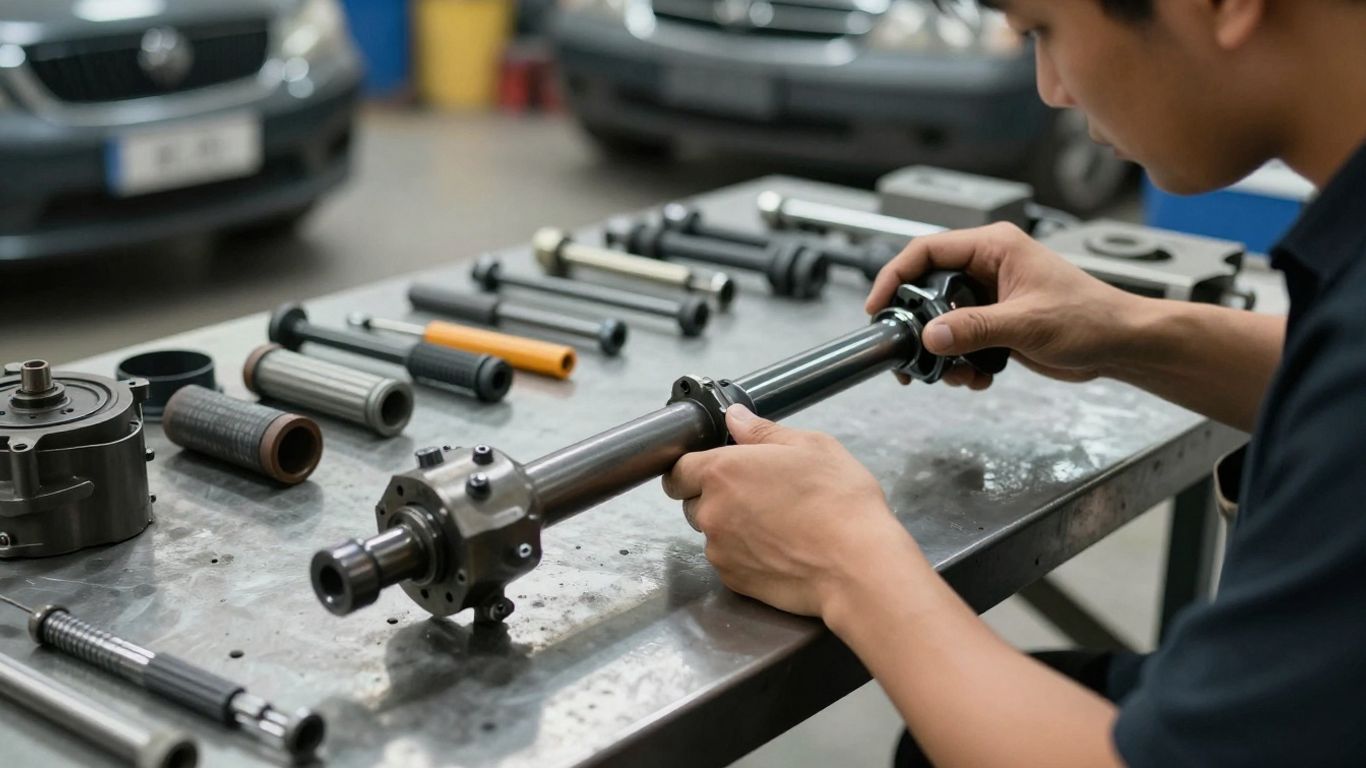
Minor leaks and replaceable seals
A minor leak from an accessible seal, hose, or fitting may not justify replacing the entire rack. The technician should still verify the leak source and check whether fluid loss has caused secondary damage. If the rack has no excessive play or binding, a targeted repair can be sensible.
Do not confuse a damp surface with proof of a failing internal rack. Cleaning the area, checking fluid levels over time, and using the manufacturer’s specified fluid can help establish whether the leak is active. A repair based on evidence is much safer than a repair based on appearance alone.
Repairable damage with limited internal wear
A rebuild may be financially sound when the rack’s main housing and gear surfaces are serviceable. The rebuilder can replace worn seals, bushings, or other approved components and test the finished unit. This route can preserve a hard-to-source original design while avoiding the price of a new assembly.
The key is knowing what the rebuild includes. Ask whether the rack will be measured and tested, which internal parts are being replaced, and what happens if disassembly finds deeper damage. A conditional estimate is more honest than a firm low price that excludes likely findings.
Older vehicles with affordable replacement parts
On an older vehicle, repair may preserve a car that otherwise remains dependable. The decision becomes stronger when replacement racks are expensive or scarce but a reputable specialist can rebuild the original unit at a reasonable cost. Conversely, a cheap replacement with a clear warranty may make more sense than paying for labor twice.
Consider the vehicle’s complete condition rather than the rack in isolation. If the tires, brakes, transmission, and suspension are sound, repair can extend useful service. If several major systems are already near the end of their service life, the apparent saving may be temporary.
Risks of choosing the cheapest repair
The lowest quote may exclude diagnosis, alignment, fluid, warranty coverage, or the labor needed to correct an unexpected problem. It may also rely on a used part with unknown history or a seal-only repair where internal wear is present. Those omissions can turn a small bill into a repeated repair.
Before accepting a bargain estimate, check these points:
- Does the price identify the failed component and leak location?
- Does it include removal, installation, fluid, and alignment where needed?
- Is the repair performed by a qualified specialist or supplier?
- What parts and labor does the warranty cover?
A low price is useful only when the scope is comparable. If one quote covers a complete rebuild and another covers an external seal, they are not competing offers.
When replacing the steering rack is the better option
Replacement is usually easier to justify when the rack has extensive internal wear, has already been repaired unsuccessfully, or cannot be rebuilt reliably. It can also reduce uncertainty when a suitable unit is available with a meaningful warranty. The safest choice depends on both the condition of the old rack and the quality of the replacement.
Severe internal wear or damaged components
Worn teeth, damaged bearings, scored surfaces, corrosion, or a bent shaft can make a rebuild uneconomical. These faults may create inconsistent steering or play that new seals cannot correct. If the rack cannot maintain correct movement and pressure, replacing it is generally more practical than repeatedly repairing symptoms.
Ask the technician to explain the evidence of internal damage. A clear explanation might refer to measured movement, visible scoring, or failed pressure testing. That information helps distinguish a necessary replacement from a broad recommendation made without inspection.
Persistent leaks after previous repairs
A leak that returns soon after a repair deserves closer attention. The original diagnosis may have been incomplete, the rack may have deeper wear, or another component may be sending fluid into the same area. Repeating the same seal repair without identifying the reason for failure can waste both money and time.
Review the prior invoice and warranty before authorizing more work. If the earlier repair is covered, the supplier or shop may need an opportunity to inspect it. If it is not covered, compare the cost of another repair with a replacement unit and a fresh installation warranty.
Availability and quality of replacement units
Replacement makes more sense when a new or remanufactured rack is readily available from a dependable source. Confirm that the part matches the vehicle’s exact specification, including steering type, fittings, sensors, and mounting arrangement. A visually similar part may not be correct.
A used unit can still be appropriate for some vehicles, but ask about mileage, testing, return conditions, and warranty coverage. A part that costs less but fails quickly may become expensive once labor and alignment are repeated.
Safety concerns and reliability after installation
Steering faults should not be treated like cosmetic problems. Binding, major looseness, or loss of hydraulic assistance can affect the driver’s ability to control the vehicle. If the rack is unsafe, delaying the decision to save money may expose the vehicle to greater risk.
After installation, the steering should be checked for leaks, correct assist, smooth movement, centered alignment, and secure connections. The vehicle should not leave the shop with an unexplained noise or warning light. Safety comes before savings when the fault affects control.
How your vehicle’s value affects the decision
The same rack repair can be sensible for one vehicle and uneconomical for another. Market value is a useful reference, but it is not the only measure. A well-maintained car with known history may be worth keeping even when the repair is a significant share of its current sale price.
Comparing the repair cost with the car’s market value
Start with realistic local values for a vehicle in similar condition, mileage, and trim. Then compare the complete repair cost, not just the parts price, with what the vehicle could reasonably sell for. This cost-versus-car-value guide provides a useful framework for thinking about that comparison.
A repair that approaches the vehicle’s value deserves extra scrutiny, especially if other major work is already due. However, replacing the car also carries registration, insurance, financing, inspection, and immediate maintenance costs. A simple percentage rule cannot answer the question by itself.
Considering mileage, age, and future maintenance
Mileage and age help estimate what may fail next, but service history is often more revealing. A high-mileage car with regular maintenance can be a better bet than a lower-mileage vehicle with neglected fluids, tires, or suspension. Look at the next year of likely maintenance, not just today’s rack invoice.
Add expected tires, brakes, cooling-system work, suspension repairs, and major scheduled services to your planning. If the rack is the only significant issue, fixing it may be reasonable. If it is one of several immediate needs, replacement or selling may deserve closer consideration.
Deciding whether the vehicle is worth keeping
Ask what the vehicle does well that another car would need to replace. Reliability, known history, low running costs, and the absence of debt can all support keeping it. Emotional attachment is valid too, but it should sit beside a realistic budget rather than replace one.
A written inspection can help separate confirmed work from recommendations to monitor. You may choose to repair the rack now, postpone nonessential maintenance, or obtain another professional opinion. The decision is stronger when it is based on the vehicle’s whole condition.
When replacing the car may be more practical
Replacing the car may be more practical when the rack repair arrives alongside serious engine, transmission, structural, or electrical problems. It may also be reasonable if the vehicle is unsafe to drive and the combined repair plan exceeds what you can responsibly spend. Do not assume that buying another used car eliminates repair risk.
Before selling or trading, gather the actual repair estimate and compare it with the cost of a dependable replacement. A discussion of a high repair quote for an older vehicle, including the value of obtaining another opinion, appears in this older-car repair discussion. Its situation is not a guarantee for every vehicle, but the comparison method is useful.
How to choose between repair and replacement
The best choice comes from comparing like with like. Ask for a diagnosis, a repair scope, a replacement option, and the warranty attached to each. Then consider downtime, future risk, and the vehicle’s condition rather than focusing only on the smallest number.
Questions to ask during the inspection
A good inspection should leave you able to explain what failed and why the proposed work addresses it. If the technician cannot identify the source of the symptom, it is reasonable to pause before approving an expensive component. Clear questions often reveal whether the shop has a specific plan.
Ask:
- Where exactly is the leak, looseness, or noise coming from?
- Has the rack been tested for internal play, binding, or pressure loss?
- Are tie rods, hoses, boots, pumps, or suspension joints also affected?
- What work is included, and what could change after disassembly?
The answers should appear in the estimate wherever possible. A second opinion is especially worthwhile when the proposed repair is a large share of the vehicle’s value.
Comparing a detailed estimate with a replacement quote
Put both options in the same format: part cost, labor, fluids, alignment, diagnostic fees, taxes, warranty, and expected downtime. A repair quote may look cheaper because it excludes removal or testing, while a replacement quote may include those items. Matching the categories creates a fair comparison.
Also ask what happens if the chosen route fails. A rebuild with a long parts-and-labor warranty may carry less risk than a cheaper unit with limited coverage. Conversely, a quality replacement may be preferable when the original rack has severe internal damage and the repair scope is uncertain.
Checking warranties on rebuilt and replacement racks
Read the warranty rather than relying on the word “guaranteed.” Some warranties cover the part but not removal, installation, fluid, alignment, or towing. Others require professional installation, specific fluid, or prompt reporting of a problem.
Confirm the warranty period, exclusions, return process, and whether a core charge is refundable. Keep the invoice and part information. These details matter if the rack develops a leak or steering fault after installation.
Balancing upfront cost, downtime, and long-term reliability
A repair may save money today but take longer if the rack must be removed, shipped, rebuilt, and returned. A replacement may cost more upfront but reduce downtime when a correctly specified unit is in stock. Reliability matters as much as the initial invoice when you depend on the vehicle every day.
Make the decision using the vehicle’s condition, the certainty of the diagnosis, the quality of the part, and the warranty. That is the practical answer to “Is it cheaper to repair or replace a steering rack?”—sometimes repair is the clear value, but replacement is often better when internal failure makes the repair uncertain.
Conclusion
Repairing a steering rack can be cheaper when the fault is limited and the rack is otherwise sound, while replacement is usually more convincing when internal wear, repeated leaks, or safety concerns are involved. Get a detailed diagnosis, compare complete estimates, and weigh the work against the vehicle’s condition and future costs before deciding.
Frequently Asked Questions
Is it cheaper to repair or replace a steering rack?
Repair is often cheaper when the issue is an accessible seal, boot, hose, or fitting. Replacement may offer better value when the rack has internal wear, repeated leaks, or damage that makes a rebuild uncertain.
How much does steering rack repair usually cost?
The price ranges from a relatively small external repair to a much larger rebuild requiring rack removal. Labor access, parts availability, diagnosis, fluid, and alignment can all affect the final amount.
How much does steering rack replacement usually cost?
Replacement commonly includes the rack, removal and installation labor, fluid or system checks, and wheel alignment where needed. Vehicle design, rack type, part quality, and local labor rates cause substantial variation.
Can a leaking steering rack be repaired?
Sometimes. A leak from a hose, fitting, boot, or replaceable seal may be repairable, but a damaged housing, worn internal gears, or persistent pressure loss may require a rebuilt or replacement rack.
Is a remanufactured steering rack reliable?
It can be, provided it comes from a reputable supplier, matches the vehicle correctly, has been properly tested, and includes useful parts-and-labor warranty coverage. Not all remanufactured units have the same process or warranty.
Should I get a second opinion before replacing the rack?
A second opinion is sensible when the diagnosis is unclear, the quote is high, or the repair would represent a large share of the vehicle’s value. Ask the second shop to identify the fault independently rather than simply review the first quote.
Can I drive with a bad steering rack?
It depends on the symptom and severity, but significant looseness, binding, fluid loss, or loss of steering assistance can create a safety risk. Have the vehicle inspected promptly and avoid driving it if control is impaired.