

Key Takeaways
A steering rack problem can feel similar to a worn tie rod, weak power steering pump, or simple alignment fault. Use the symptoms and checks below to narrow the cause, but treat any serious change in steering control as a safety issue.
- Look for looseness, leaks, uneven effort, noise, and wandering.
- Inspect fluid, boots, tie rods, ball joints, and the steering shaft first.
- Compare steering behavior with the engine running and switched off.
- Do not confuse a rack fault with tire, alignment, suspension, or pump problems.
- Stop driving and arrange a professional inspection when control feels unreliable.
Understand what the steering rack does
The steering rack is the part that turns steering-wheel input into side-to-side movement at the front wheels. It works with several other components, so a symptom at the steering wheel does not automatically prove the rack itself has failed. Understanding the system makes a home check more useful and helps you describe the problem clearly to a technician.
How the rack-and-pinion steering system works
When you rotate the steering wheel, the steering shaft turns a small gear called the pinion. The pinion moves a toothed bar, or rack, from side to side, and the rack pushes or pulls the tie rods connected to the steering knuckles. That chain of movement is why even a small amount of play at one joint can become noticeable at the wheel.
Many vehicles add hydraulic or electric assistance to reduce the effort needed to turn. Assistance changes how the wheel feels, but it does not replace the mechanical connection between the steering wheel and the road wheels. For a broader overview of the system and its symptoms, see this guide to the rack-and-pinion system.
The difference between the steering rack and related components
The rack housing contains the rack-and-pinion mechanism, but the complete steering system extends beyond it. Inner and outer tie rods, ball joints, the steering shaft, intermediate joints, the power steering pump, hoses, and fluid reservoir can all affect steering feel. A damaged tire or loose suspension joint can also create wandering that feels like a steering fault.
That is why diagnosis should follow the movement from the steering wheel toward the tire rather than stopping at the first noisy or oily part. The goal is to find the location where motion is lost, resistance changes, or fluid escapes.
Why steering problems can affect vehicle safety
Steering is a control system, not merely a comfort feature. Excessive free play may delay the vehicle’s response, while binding can prevent the wheels from following the driver’s input smoothly. A leak can also reduce assistance and make the wheel unexpectedly heavy, especially during low-speed turns.
A useful rule is simple: a sudden change deserves attention. If the car wanders sharply, the wheel becomes difficult to turn, or a joint appears loose, avoid normal road driving until the cause is checked.
Recognize the common symptoms of a failing steering rack
A failing rack may announce itself through one obvious symptom or through a pattern that develops gradually. None of the signs below proves the rack is bad on its own, because other steering and suspension parts can produce similar behavior. Still, a combination of looseness, fluid loss, and inconsistent response is a strong reason to investigate promptly.
Excessive play or looseness in the steering wheel
With the vehicle pointed straight ahead, the steering wheel should not rotate a large distance before the tires begin to respond. A loose feeling can come from internal rack wear, but worn tie-rod ends or a loose steering-shaft joint are also common possibilities. Pay attention to whether the play is centered or appears mainly during a turn.
If the car reacts late to small corrections, note whether the sensation is present at parking-lot speeds and on the highway. This steering rack symptoms guide covers the same warning pattern, but an actual inspection is still needed to locate the worn component.
Steering fluid leaks and low fluid levels
On a vehicle with hydraulic power steering, a dropping reservoir level is a clue that fluid is escaping somewhere. Inspect the hoses, pump, reservoir, and the rack area rather than assuming the rack is responsible. Fluid may collect on a subframe or travel along a component before reaching the ground.
A rack leak can occur around a seal or at an end of the housing, while a split boot may allow grease out and contamination in. Never rely on repeatedly topping up the reservoir as a repair; low fluid can make steering harder and may damage other hydraulic parts.
Uneven steering effort or difficulty turning
A rack-related problem may cause steering effort to vary from one direction to the other or through different parts of the steering range. The wheel might feel heavy at low speed, resist returning after a turn, or move freely in one area and stiffly in another. Binding in a joint, low fluid, belt trouble, or a failing pump can feel much the same.
Record whether the problem changes with engine speed, temperature, or repeated turns. A symptom that appears only when assistance is operating points the investigation in a different direction from a mechanical bind that remains with the engine off.
Clunking, knocking, or whining noises
A clunk while changing direction can come from movement inside the rack, but it may also come from an outer tie rod, ball joint, sway-bar link, or another suspension joint. A whine that rises with engine speed is more suggestive of a hydraulic assistance problem than an internal rack fault, although noises can overlap.
Listen for the exact moment the sound occurs: initial steering input, full lock, bumps, or acceleration. Avoid holding a hydraulic steering system against full lock for more than a moment, since that places extra load on the system.
Wandering, poor tracking, or uneven tire wear
A vehicle that drifts, requires constant correction, or feels vague on a straight road needs more than a quick rack verdict. Incorrect alignment, tire pressure differences, tire damage, loose suspension parts, and road crown can all affect tracking. Internal rack wear becomes more plausible when wandering occurs alongside measurable play or irregular steering resistance.
Uneven tire wear is evidence that the wheel is not meeting the road correctly, but it does not identify the cause by itself. Photograph the tread, check pressures when cold, and note whether the wear is on one axle or one corner before arranging further testing.
Perform basic checks before testing the rack
A careful preliminary inspection can prevent an unnecessary rack replacement. Park on a level surface, use good lighting, and consult the vehicle’s service information for the correct fluid type and inspection points. Do not place any part of your body beneath a vehicle supported only by a jack.
These checks are meant to gather clues, not to prove that an internal component is serviceable. If you find a loose steering joint, stop there and have that safety-critical fault addressed.
Inspect the power steering fluid and reservoir
With the engine off and the vehicle on level ground, check the reservoir level according to the markings and the manufacturer’s procedure. Look for dark, contaminated, foamy, or unusually low fluid, while remembering that fluid appearance varies by vehicle and fluid type. A low level should lead to a leak search, not just a refill.
Clean around the reservoir and cap before checking again after a short interval. If the level falls, the pump becomes noisy, or steering effort changes, limit driving until the source is identified.
Look for leaks around the rack and boots
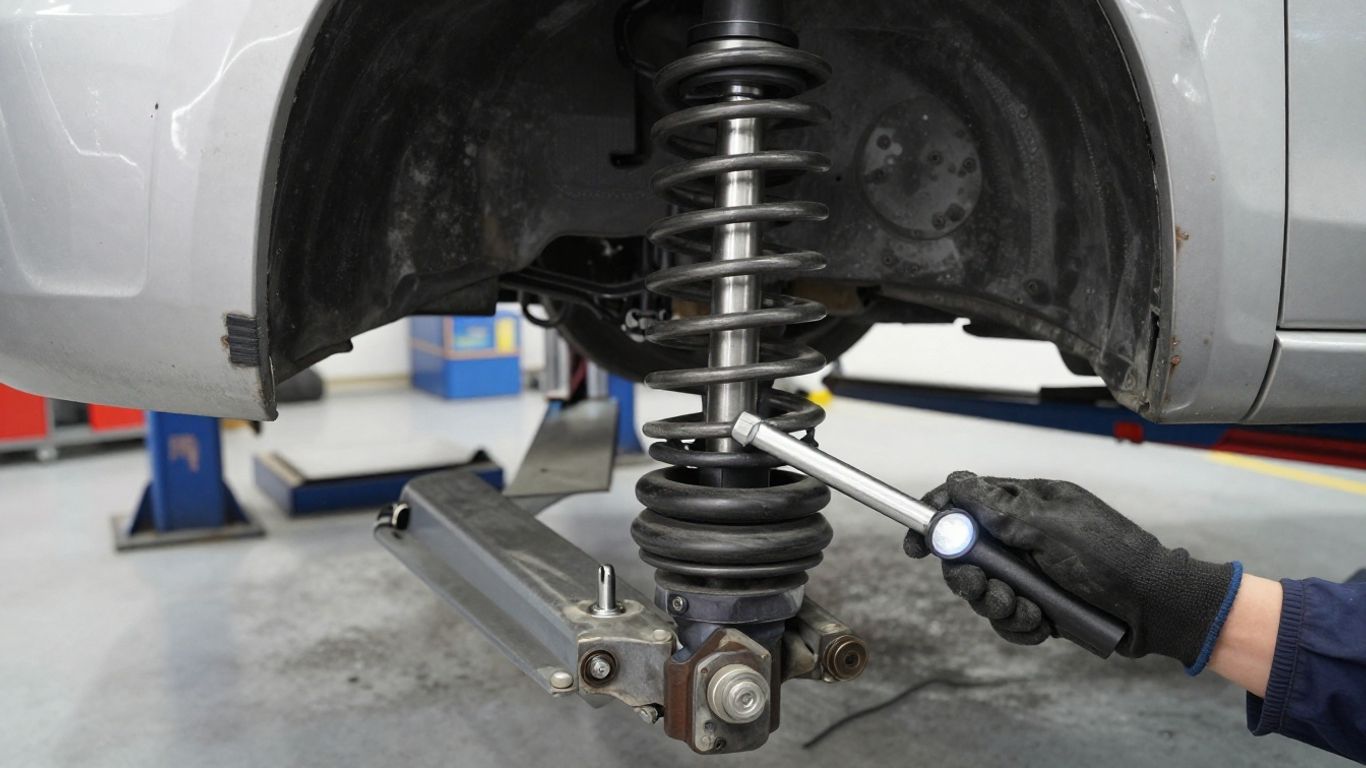
Use a flashlight to inspect the rack housing, hydraulic lines, seals, and rubber bellows. A wet boot does not always mean the rack is leaking; grease from a damaged tie-rod joint or fluid from a nearby hose may be responsible. The location, color, texture, and path of the fluid matter.
Do not pull apart a sealed boot or wipe away evidence before recording what you saw. A clean piece of cardboard under the front of the car can help show whether fresh fluid is dripping and where it lands.
Check the tie rods, ball joints, and steering shaft
With the vehicle safely lifted and supported, a technician can check for movement at the tire and joints. At home, visual inspection is safer than forcing components aggressively. Look for torn boots, missing fasteners, rust-colored dust around a joint, or movement that does not match the steering input.
The steering shaft and its universal joints deserve attention too. A loose intermediate joint can create steering-wheel play that feels like rack wear while sitting several inches away from the rack itself.
Note when the symptoms occur
A short written record often reveals a pattern that is hard to remember later. Note speed, road surface, weather, engine temperature, steering direction, and whether braking or acceleration changes the feeling. These observations help separate a mechanical fault from a tire or alignment issue.
Useful details include:
- Whether the symptom appears while parked or only moving.
- Whether it is worse left, right, or near center.
- Whether the engine running changes the effort or noise.
- Whether fluid loss or tire wear is getting worse.
After the list, compare your notes with what you can physically observe. A repeatable symptom is valuable, but it still needs to be matched to a component before repair decisions are made.
Test the steering rack at home
Home testing should be limited to accessible observations and gentle checks. You can identify free play, visible movement, and changes in steering effort, but you should not dismantle the rack or work beneath an inadequately supported vehicle. Have a helper communicate clearly, keep hands away from pinch points, and stop immediately if a component moves unexpectedly.
The best result from a home test is not a confident parts order. It is a clear description of what moves, what stays still, and under which conditions the symptom appears.
Check for steering wheel free play
Park with the wheels as straight as you can make them and switch the engine off. Gently rock the steering wheel a small amount from side to side while watching for movement at the tires. Some movement in the steering system is normal, but a delay before the tires respond or a distinct knock indicates that the linkage needs inspection.
Do not use a ruler or a universal “acceptable” number without checking the vehicle’s specifications. Different designs have different tolerances, and apparent free play can be caused by more than the rack.
Inspect the rack while a helper turns the wheel
With the vehicle stationary and safely positioned, ask a helper to move the wheel slowly through a small range rather than turning rapidly from lock to lock. Watch the rack housing, tie rods, steering shaft joints, and mounting points. You are looking for delayed movement, visible shifting, or a knock that occurs as load changes.
Keep your fingers clear of joints and gears. If the rack housing moves on its mounts, or one linkage moves noticeably after the other, record the observation and leave further diagnosis to a professional.
Test for binding, stiffness, and inconsistent resistance
Turn the wheel gently through its normal range with the engine off, without forcing it against the stops. Feel for a tight spot, notchy movement, or resistance that changes suddenly. A mechanical bind may remain with the engine off, whereas an assistance-related problem may feel different once hydraulic or electric assistance is active.
A smooth feel does not clear the rack completely, and a rough feel does not condemn it. Tire contact, suspension load, steering geometry, and the condition of the column can influence what you feel at the wheel.
Compare symptoms with engine running and switched off
Repeat only the gentle portion of the check with the engine running, following the vehicle maker’s safety guidance. If the wheel becomes much easier to turn but a clunk or dead spot remains, there may be separate assistance and mechanical clues. If whining appears only with the engine running, inspect the pump, fluid, belt, or related assistance system as well.

Write down the comparison instead of relying on memory. A technician can use that information alongside a lift inspection, fluid check, and steering-angle or alignment measurements.
Distinguish a bad steering rack from similar faults
Steering complaints are often system complaints rather than single-part complaints. Several components share the loads created when a vehicle turns, and a small amount of wear can be felt through the same steering wheel. A diagnosis becomes more reliable when the symptom is tested against competing explanations.
The following distinctions are practical clues, not absolute rules. Vehicle design, electronic steering systems, and the exact failure mode can change the expected behavior.
How worn tie rods can mimic rack problems
Tie rods connect the rack to the steering knuckles, so wear at an inner or outer joint can create looseness, clunks, and poor tracking. A helper may see the rack move while the end of a tie rod lags behind, which helps locate the lost motion. Torn boots and visible play strengthen the case for a tie-rod repair rather than a complete rack replacement.
Because tie rods affect alignment, driving with a badly worn joint can quickly become unsafe. Have the joint checked before paying for a rack based only on a vague steering sensation.
How a failing power steering pump differs
A pump or hydraulic assistance fault commonly produces whining, foamy fluid, or steering that becomes heavy during parking maneuvers. The effort may change with engine speed, especially if the pump is belt-driven. A rack can leak or bind, but a pump-related problem may leave the mechanical steering linkage tight and free of excess play.
Check the fluid condition and belt where applicable, while avoiding prolonged full-lock operation. An accurate diagnosis may require pressure testing rather than listening alone.
When wheel alignment or tire issues are responsible
A pull, crooked steering wheel, or uneven tread pattern can follow an alignment problem, tire pressure mismatch, damaged tire, or bent wheel. These issues may appear after a pothole or curb impact, but they can also develop through wear. If the steering is not loose and the tires respond consistently, alignment and tire checks deserve priority.
Alignment should be measured rather than guessed from the steering-wheel position. Correcting alignment will not repair a leaking or mechanically loose rack, but it can prevent an unnecessary parts replacement when the steering hardware is sound.
Why suspension noise does not always indicate rack failure
A knock over bumps may come from a ball joint, control-arm bushing, sway-bar link, strut mount, or subframe fastener. Those parts can transmit sound through the body and make the steering seem involved. The timing of the noise matters: bump-related noise with no steering input points toward suspension more than the rack.
A rack can still be involved when the noise occurs during steering load, so listen carefully and inspect the entire front end. Never dismiss a clunk simply because the vehicle still tracks straight.
Confirm the diagnosis and choose the next step
Once the preliminary clues are collected, the next step is to confirm the failed component and assess whether the vehicle is safe to move. A repair shop can inspect the steering and suspension under load, check for leaks, and compare measured movement with specifications. Bring your notes and photographs; they can save time during the initial conversation.
The right repair depends on the failure location, the rack’s condition, parts availability, and the vehicle’s service requirements. Replacing a rack without checking the surrounding linkage can leave the original problem unresolved.
When a professional inspection is necessary
Arrange an inspection promptly if the steering wheel has substantial play, the vehicle wanders suddenly, the wheel binds, fluid is leaking, or a joint appears loose. Do not drive to a shop if steering response is unpredictable or turning requires unusual force; ask about towing instead. A minor noise may allow a cautious trip, but that decision should account for traffic, distance, and symptom severity.
Professional help is also appropriate when an electronic steering warning appears or when the vehicle has electric power assistance. Those systems may not have a fluid reservoir and can require model-specific procedures.
What diagnostic tools a repair shop may use
A technician may use a vehicle lift, pry bar, inspection light, steering linkage checks, a fluid leak inspection, and a road test when safe. Hydraulic systems may be evaluated with pressure and flow tests, while electronic systems may require a scan tool and data review. An alignment rack can reveal toe or other geometry changes that affect tracking.
The most useful test is the one that reproduces the symptom and identifies where the movement or resistance begins. A parts replacement recommendation should be tied to an observed fault, not just the age of the vehicle.
When the rack can be rebuilt or resealed
A rack may be a candidate for resealing or rebuilding when the housing and internal surfaces are serviceable and the replacement seals and parts are available. The decision depends on the design, corrosion, wear, and the rebuilder’s ability to test the finished unit. An external leak does not automatically mean the entire assembly must be discarded.
Ask whether the proposed service includes testing, what warranty applies, and whether related tie rods or boots will be inspected. A low initial price is less useful if the rack must be removed again soon afterward.
When steering rack replacement is the safer option
Replacement is often the more sensible route when the rack has severe internal wear, damaged housing, corrosion, persistent binding, or a rebuild with uncertain results. The correct replacement must match the vehicle and steering system, and installation usually requires careful bleeding or initialization where applicable.
Afterward, the vehicle should receive the required alignment and a complete check of the steering linkage. A new rack cannot compensate for a bent suspension part or a worn tie rod left in place.
Estimate repair costs and prevent further damage
The cost of a steering repair varies widely, so a single number is rarely meaningful without the vehicle, failure, and labor rate. Ask for an itemized estimate that separates diagnosis, parts, labor, fluid, alignment, and any related worn components. This makes it easier to compare a rebuild with a replacement without choosing on price alone.
The steering rack replacement guide is useful background when you are comparing symptoms with the possibility of a larger repair. Treat any published estimate as a starting point, not a promise for your particular vehicle.
Factors that influence steering rack replacement cost
Labor access is a major factor: some racks can be removed relatively easily, while others require extensive disassembly. Part type, vehicle configuration, hydraulic or electric design, corrosion, and whether tie rods or mounting hardware are included also affect the bill. A shop may charge diagnostic time separately from removal and installation.
Ask about the part’s source and warranty, but also ask what inspection supports the recommendation. A cheaper assembly may not be the best value if fitment, testing, or warranty coverage is unclear.
Alignment and related repairs to include in the budget
Rack removal can change steering geometry, and replacement may require an alignment afterward. The estimate may also include fluid, bleeding, new boots, inner or outer tie rods, fasteners, or damaged mounting hardware. Tires with irregular wear may need attention even after the steering fault is repaired.
Request that the shop check these connected items before finalizing the work. Including necessary related repairs upfront is usually less frustrating than discovering them after the vehicle is already apart.
How to avoid driving with dangerous steering symptoms
Do not continue driving normally when the steering response is delayed, the vehicle changes direction unexpectedly, the wheel becomes hard to turn, or fluid is rapidly escaping. Reduce risk by parking on a level surface, switching off the engine, and arranging an inspection or tow when control is uncertain. Warning lights and visible loose joints deserve the same caution.
A short trip to a repair shop should never be treated as automatically safe. If you must move the vehicle a few feet, do so only when the steering remains predictable and the area is controlled.
Maintenance habits that help protect the steering system
Use the specified fluid, keep it at the correct level, and investigate any drop rather than treating it as normal consumption. Inspect boots and hoses during routine service, maintain tire pressure, and address alignment or suspension damage before it adds stress to the steering system. Avoid holding the wheel against full lock, particularly on hydraulic systems.
Regular checks cannot prevent every rack failure, but they can reveal leaks and worn joints before the steering becomes unpredictable. Keep service records and note changes early; small observations often make later diagnosis faster.
Conclusion
Diagnosing a bad steering rack starts with the pattern of symptoms, then moves through fluid and linkage checks, controlled steering tests, and professional confirmation. Because tie rods, pumps, tires, alignment, and suspension parts can produce similar signs, replace the rack only when the evidence points there. When steering control is loose, stiff, or unpredictable, safety should come before a home repair or a tempting low-cost estimate.
Frequently Asked Questions
What is the most common sign of a bad steering rack?
Common clues include excessive steering play, fluid leaking near the rack, uneven steering effort, unusual steering-related noises, and wandering. None is conclusive alone, so the linkage and related systems should also be inspected.
Can I drive with a leaking steering rack?
A small leak can become a loss of power assistance or a larger mechanical problem. Avoid normal driving when the fluid level drops quickly, steering becomes heavy, or control changes, and arrange an inspection or tow based on the severity.
How can I tell if the problem is a tie rod instead?
A worn tie rod may show visible movement, a torn boot, or play at the joint while the rack itself moves normally. Because tie-rod wear affects wheel alignment and safety, confirmation should be done with the vehicle safely supported.
Does a bad power steering pump sound different from a bad rack?
A pump problem often causes whining that changes with engine speed, heavy steering during low-speed turns, or foamy fluid. A rack problem is more likely to involve leakage at the rack, mechanical play, binding, or inconsistent response, though symptoms can overlap.
Can an alignment fix a bad steering rack?
Alignment can correct tracking and steering-wheel position caused by incorrect geometry, but it cannot repair internal rack wear, a leak, or a loose steering joint. The hardware should be checked before alignment is treated as the complete solution.
Is steering rack replacement a home repair?
It is generally not a beginner repair because the rack is safety-critical, access can be difficult, and the work may require bleeding, calibration, and alignment. A qualified technician should handle replacement unless the person has suitable equipment and model-specific experience.
What should I do before visiting a repair shop?
Write down when the symptoms occur, check fluid and tire pressure if safe, photograph visible leaks or damaged boots, and avoid cleaning away evidence. Tell the shop whether the issue changes with engine speed, steering direction, bumps, or vehicle temperature.