

Key Takeaways
A leaking steering rack is a safety issue, not merely an annoying driveway stain. The right response depends on how quickly fluid is escaping and whether steering behavior has changed.
- Do not drive if steering is hard, erratic, loose, or suddenly different.
- A small seep may allow only a short trip to a repair shop, if steering remains normal.
- Low fluid can reduce steering assistance and damage the power steering pump.
- Check the reservoir and fluid trail from above ground; never crawl beneath an unsupported car.
- Arrange prompt inspection, and use towing when the leak is severe or control feels uncertain.
How a leaking steering rack affects your car
A steering rack converts movement at the steering wheel into movement at the front wheels. On a hydraulic power-assisted system, fluid pressure helps the driver turn, especially while parking or making slow, tight turns. A leak can therefore affect both the rack itself and the assistance that makes steering manageable. The first signs may be subtle, but they should not be dismissed.
What the steering rack does
The rack and pinion assembly guides the front wheels in response to steering-wheel input. It also works with tie rods, boots, hoses, and, on many vehicles, a hydraulic pump and fluid reservoir. Because these parts influence direction directly, a change in steering feel deserves more attention than an ordinary cosmetic leak.
A rack can still move the wheels when hydraulic assistance is reduced, but the effort required may rise sharply. That difference matters most during a quick maneuver, a turn across traffic, or a low-speed parking movement.
Where steering fluid can leak
Fluid may escape from rack seals, hydraulic lines, hose connections, or the areas beneath the protective rack boots. A wet boot does not always prove that the rack is the source, since fluid can travel along nearby parts before reaching the ground. The pump and its hoses can also leak and create a similar-looking trail.
Look for the highest wet point you can see from above, rather than assuming the lowest puddle identifies the failed component. A shop can confirm the source with a closer inspection and, when appropriate, a clean-and-recheck process.
How fluid loss changes steering performance
As the fluid level falls, the system may provide less consistent pressure. Steering can become heavier at low speed, feel notchy, or change from one turn to the next. Air entering a low system can also make the fluid foam and cause noise or uneven assistance.
The practical question is not only whether the car still turns. Ask whether it turns predictably, with the same effort in both directions and with a normal return toward center. Changed steering effort is a warning, even when the leak appears small.
Why a small leak can become a major failure
A slow seep can worsen as seals age, heat builds, or pressure stresses a hose and its connections. Once the reservoir level drops far enough, the pump may draw air or operate with inadequate fluid. That can turn a manageable repair into a steering-assistance failure and additional component damage.
Drivers looking for a broader explanation of fluid loss can review this power steering leak guide, particularly when deciding whether a vehicle has a short window for service or should remain parked. Either way, a leak should be diagnosed promptly rather than monitored indefinitely.
Is it safe to drive with a leaking steering rack?
There is no universal number of miles that makes driving with a leak safe. A vehicle with a barely damp component and completely normal steering is different from one leaving a fresh pool and making noise. The safest default is to avoid driving until the source and severity are known. If the steering feels abnormal, the answer to “Can I drive with a leaking steering rack?” is no.
Situations when you should not drive
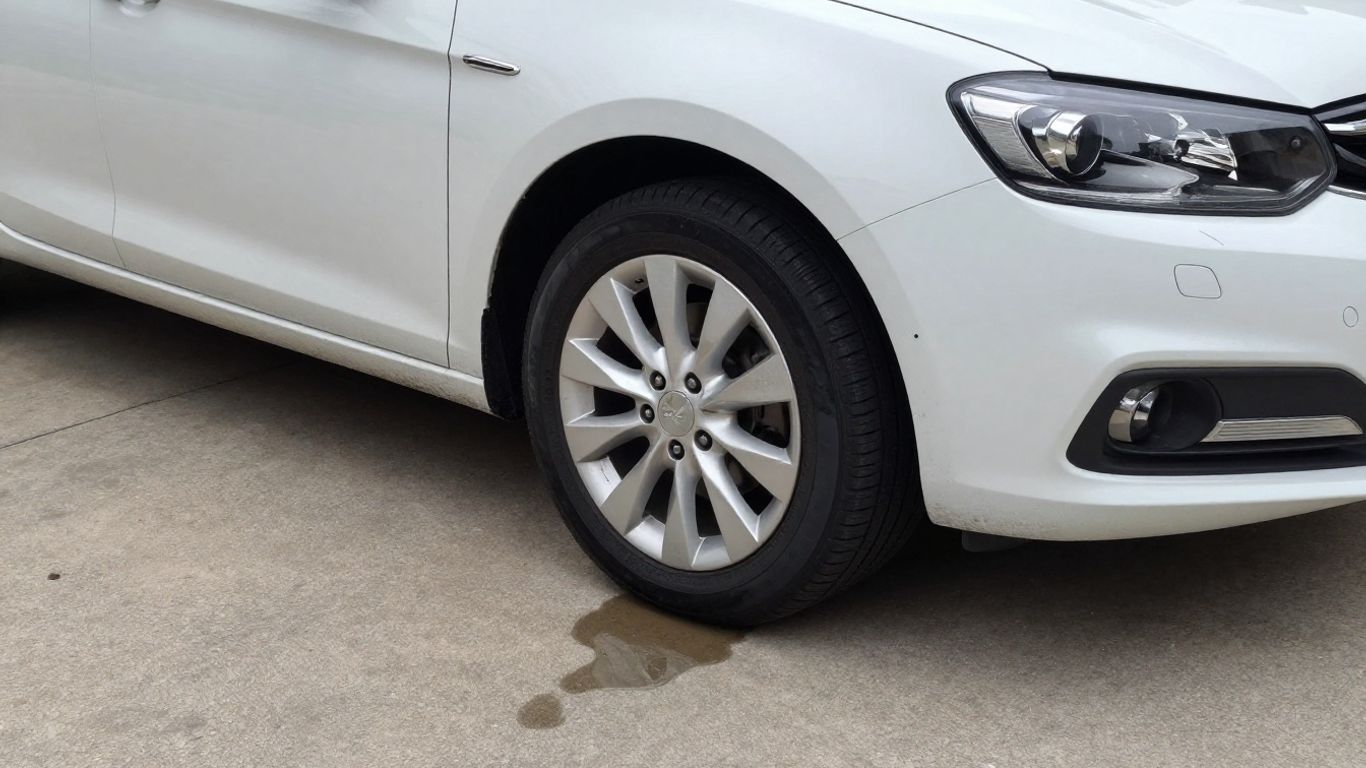
Do not drive when the steering suddenly becomes heavy, jerky, loose, or difficult to control. The same applies when the reservoir is empty or nearly empty, fluid is rapidly pouring out, or a warning light appears with changed steering behavior. A vehicle that cannot be steered normally should be parked safely and towed.
Do not take chances merely because the engine starts and the tires still respond. Steering problems can become most dangerous when an unexpected correction is needed, not during a calm trip on an empty street.
When a short trip to a repair shop may be possible
A very short trip might be possible if the leak is minor, the fluid level is correct, and the steering feels entirely normal. This is a narrow exception, not permission to continue commuting. Call the repair shop first, choose a low-speed route, leave extra space, and stop immediately if the steering changes.
Topping up with the correct fluid specified in the owner’s manual may help protect the system for that brief movement, but it does not repair the leak. Do not substitute an unknown fluid or rely on repeated refilling as a plan.
How leak severity affects driving risk
Severity is best judged from several clues together: the amount of fluid lost, the speed of the leak, the reservoir level, and the steering response. A few old drops under a dry component suggest a different urgency from a fresh trail that appears after every turn. Even a small leak can progress unexpectedly under heat and hydraulic pressure.
These practical distinctions are also covered in guidance about bad rack and pinion symptoms, including looseness, leaks, and changes in steering precision. Treat the information as a reason to arrange an inspection, not as a way to self-clear a vehicle that feels unsafe.
Why highway and heavy-traffic driving are especially dangerous
Highway driving leaves less time to react if assistance fades or steering becomes inconsistent. Heavy traffic adds frequent lane changes, tight turns, braking, and the need for immediate corrections. Those conditions expose a weak steering system much more quickly than a quiet, straight road.
If the vehicle must move at all, a controlled low-speed trip directly to professional service is generally less demanding than a long highway journey. Towing remains the better choice whenever there is doubt.
Warning signs that the steering system is failing
A rack leak often appears alongside other symptoms, although not every symptom proves the rack is faulty. Notice when the behavior occurs, whether the engine is running, and whether it is worse while turning or parking. That detail can help a technician separate a hydraulic problem from wear in a steering or suspension part.
Hard or inconsistent steering
Heavy steering at low speeds is a common sign that power assistance is reduced. If the effort varies during one turn, feels stiff in one direction, or briefly improves and then worsens, stop treating it as normal aging. Inconsistent assistance can make an ordinary maneuver unexpectedly difficult.
A vehicle with electric assistance may not use hydraulic fluid at all, so the diagnosis depends on the vehicle’s design. The owner’s manual and a professional inspection can establish which system is fitted.
Low power steering fluid and visible puddles
A low reservoir supports the suspicion of a leak, but it does not identify the exact component. Check the level on level ground with the engine off and follow the manual’s instructions. A fresh puddle, repeated dampness, or a level that falls again after topping up calls for prompt service.
Fluid on the ground should be kept away from children, pets, and open flames. Photographing the spot and noting its location can give the shop useful information.
Whining, groaning, or clunking noises
A whining or groaning sound while turning may occur when the hydraulic system is low or drawing in air. A clunk can point toward looseness or wear in the rack, tie rods, or suspension, though sound alone cannot identify the failed part. Noise combined with a leak is more concerning than either clue by itself.
Avoid holding the steering wheel hard against full lock while testing. That places extra load on a hydraulic system and does not improve diagnosis.
Steering wheel vibration, looseness, or poor return
Vibration, excess play, or a wheel that does not return naturally after a turn can indicate a steering, tire, alignment, or suspension issue. These symptoms affect the driver’s ability to judge where the front wheels are pointing. They deserve inspection even if no puddle is visible.
Uneven tire wear can be another clue, but it has many possible causes. A technician should inspect the complete front end rather than replacing one part based on a single symptom.
Fluid leaking near the front wheels
Fluid near a front wheel may have originated at the rack, a hose, the pump, or another nearby system. The position of the stain is useful evidence, not a final diagnosis. Compare the location with the reservoir and visible lines, and avoid touching unknown fluid with bare skin.
If the leak is accompanied by hard steering or a rapidly dropping level, do not drive to investigate further. Have the vehicle inspected where it sits or arrange a tow.
What can happen if you keep driving
Continuing to drive may appear harmless while the steering still feels acceptable. The system, however, can lose fluid faster as seals, lines, or connections deteriorate. Delaying repair also gives related components more time to operate under strain. The possible outcome is not limited to a larger repair bill; it can include a sudden change in vehicle control.
Loss of power steering assistance
When hydraulic fluid becomes too low, the pump may no longer create reliable assistance. The front wheels can still be mechanically connected on many vehicles, but steering effort may become much greater, particularly at low speed. A sudden transition from light steering to heavy steering can catch a driver off guard.
That is why a vehicle that feels fine at the start of a trip may not feel fine at the end. Fluid level and steering response can change while the car is moving.
Reduced control during turns and emergencies
Harder steering reduces the speed and precision with which a driver can avoid an obstacle or hold a line through a turn. Loose or uneven steering adds another layer of uncertainty. Even if complete loss of control does not occur, the extra effort can make a stressful situation harder to manage.
A professional check is especially urgent when the leak is paired with looseness or poor return-to-center behavior. Those signs may involve mechanical wear as well as fluid loss.
Damage to the power steering pump
A hydraulic pump depends on fluid for proper operation. Running low can increase heat, friction, and noise, eventually damaging the pump. A rack repair that might have been limited in scope can then involve additional parts and labor.
Advice on power steering pump leaks similarly points to increased steering effort and pump damage when fluid is lost. The useful lesson is simple: do not keep driving just to see how long the pump lasts.
Accelerated wear on tie rods and steering components
A leak does not automatically destroy tie rods or other steering parts, but poor steering operation and existing looseness can place more stress on the assembly. Worn joints can also make a rack problem feel worse than it is. The entire linkage should be checked before and after repair.
If the wheel has excessive play, the car wanders, or the tires respond slowly to steering input, treat the issue as a control problem rather than a minor fluid issue.
Potential fluid-related damage to nearby parts
Escaping fluid can spread onto surrounding components. Depending on its path, it may contaminate rubber parts or reach a belt and cause slipping. The extent of secondary damage depends on the fluid, the location, and how long the leak continues.
A clean repair area helps reveal whether the leak returns and prevents assumptions based on old residue. This is one reason a proper inspection is more useful than repeatedly wiping the visible spot.
How to check the problem safely
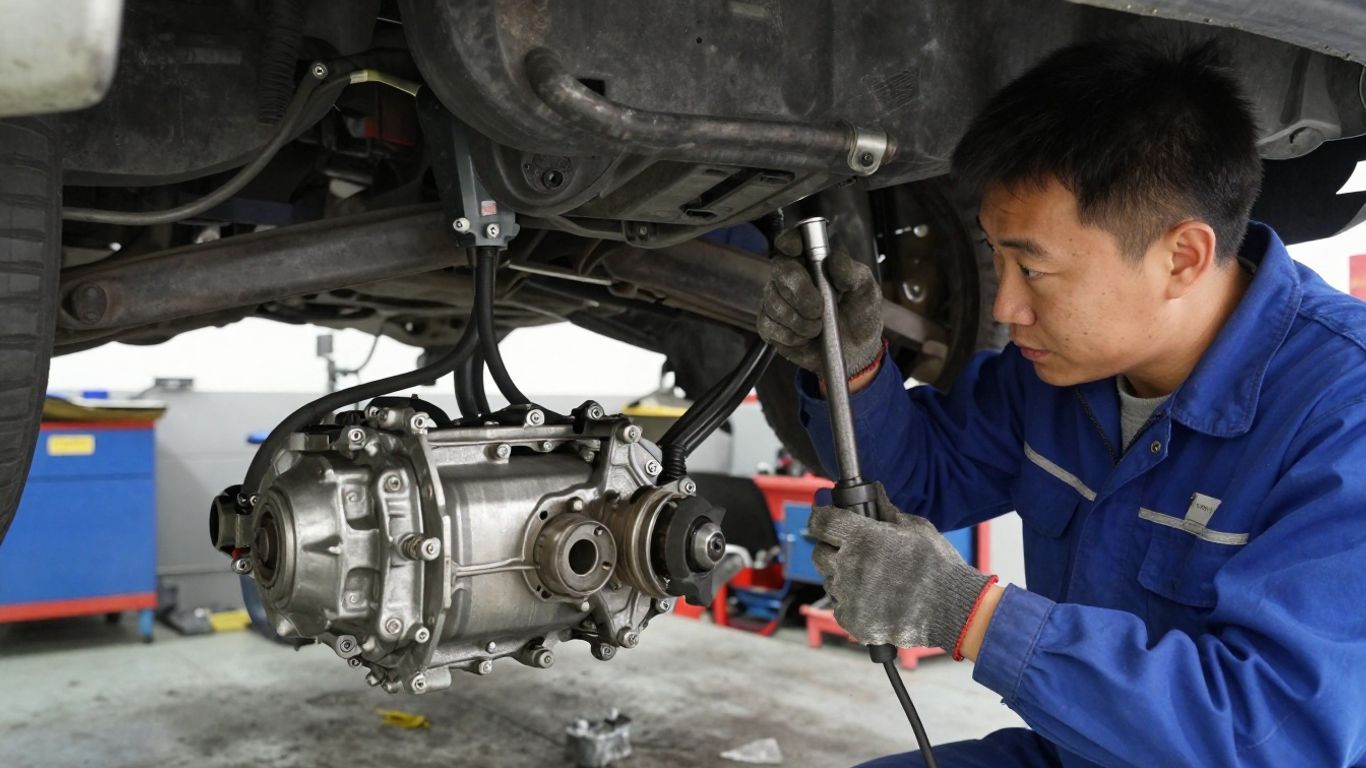
You can gather useful clues without lifting the vehicle or reaching beneath it. Work on level ground, keep hands away from belts and fans, and follow the vehicle manual for fluid checks. These observations help determine urgency, but they cannot replace a steering-system inspection.
Identifying the type and color of the leaking fluid
Power steering fluid may be clear, amber, or reddish depending on the vehicle and the fluid used. Color changes with age, so it is not conclusive. Brake fluid, engine oil, coolant, transmission fluid, and washer fluid can look different, but appearance alone should never be the only basis for identification.
Use a piece of clean cardboard under the front of the parked vehicle to observe a new drip without putting any part of your body underneath. Keep the cardboard away from hot exhaust components.
Inspecting fluid levels without going underneath the car
With the engine off and the vehicle safely parked, locate the power steering reservoir if the car has one. Check the level and condition according to the markings and instructions in the manual. Do not open a hot reservoir, overfill it, or add fluid that is not approved for that model.
Make a note of the level before and after a short wait. A falling level is significant, but a stable level does not rule out a leak that occurs only under pressure or while turning.
Distinguishing a rack leak from other fluid leaks
Trace what you can see from above: the reservoir, pump area, hoses, and visible sections near the rack. A stain beside a front wheel can be displaced from its original source by airflow or moving parts. The rack boots and hydraulic connections need a closer look than most drivers can safely perform at home.
The following clues can help organize what you report to the shop, without pretending to make a final diagnosis:
- Fluid appears after the steering wheel is turned.
- The reservoir level drops between checks.
- Steering becomes heavier or less consistent.
- Noise changes when the engine runs or the wheel turns.
Taken together, these observations give a technician a clearer starting point. They do not justify driving a vehicle with unsafe steering.
Recognizing when an inspection requires a professional
Any leak accompanied by changed steering, a low reservoir, unusual noise, or visible looseness should be professionally inspected. Do not go underneath a vehicle supported only by a jack, and do not disconnect hydraulic lines as a test. Steering components can be difficult to assess accurately without access, lighting, and the correct equipment.
A tow is appropriate when the leak is active, the steering is heavy, or the vehicle cannot be positioned safely for inspection.
What to do after discovering a steering rack leak
Once you have identified a likely leak, the goal is to prevent a small problem from becoming a roadside failure. Stop driving if the steering does not feel normal, and avoid repeated test trips. Record the fluid level, location of any puddle, and symptoms so the repair shop can work more efficiently.
Park the vehicle if steering feels unsafe
Choose a safe, level place away from traffic if you notice sudden steering difficulty. Turn on hazard lights if the vehicle is stopped near a roadway, and do not continue simply because the destination is close. A car that requires unusual force to turn is not ready for normal road use.
If you are already moving, reduce speed smoothly and avoid abrupt steering. Once parked, arrange professional help rather than testing the vehicle repeatedly.
Arrange towing when the leak is severe
Towing is the sensible option when fluid is pouring out, the reservoir is empty, the pump is loudly whining, or steering assistance has disappeared. It is also preferable when the vehicle is in a dangerous location or cannot be driven without entering high-speed traffic.
Tell the towing provider that the vehicle may have a steering-system problem. That information helps them plan how to load and handle it.
Schedule a steering and suspension inspection
Ask for an inspection that covers the rack, hydraulic circuit, steering linkage, and front suspension. The technician should identify the source rather than assuming every fluid stain comes from the rack. A written estimate should separate diagnosis, parts, labor, and any alignment work.
Prompt scheduling is worthwhile even if the car remains drivable. A mild symptom can be easier and less expensive to address before it affects other components.
Ask the shop to check related components
A rack inspection should include hoses, boots, tie rods, pump condition, fluid contamination, and signs of looseness. Checking the related parts reduces the chance of repairing one leak while leaving another source or worn joint untouched.
Ask whether the system needs flushing or bleeding after the repair, and request an explanation of any recommended replacement. Clear questions make it easier to compare estimates.
Avoid using stop-leak products as a permanent repair
Stop-leak additives may appear attractive when a repair is inconvenient, but they do not restore damaged seals, worn gears, cracked hoses, or loose connections. They can also complicate later diagnosis, depending on the product and system. Use the vehicle manufacturer’s specified fluid only, unless a qualified technician directs otherwise.
A temporary fluid top-up, when appropriate, is not a substitute for finding and repairing the leak.
Repair options and expected considerations
The correct repair depends on where the fluid escapes and whether the rack has internal wear. Sometimes a hose, seal, or connection is the source; sometimes the rack assembly itself needs replacement. A careful diagnosis matters because replacing the wrong component wastes time and money.
Replacing rack seals versus replacing the rack
Some racks can be rebuilt or resealed, while others are replaced as an assembly. The decision depends on the vehicle, the condition of the rack housing and internal parts, local labor availability, and the warranty offered on the work. A seal-only repair may not make sense if gears, bushings, or the housing are worn.
Ask what failed, what the proposed repair includes, and how long the replacement or rebuild is covered. Those details are more useful than choosing solely by the lowest initial estimate.
Comparing remanufactured and new steering racks
A remanufactured rack may cost less than a new unit, but quality, included components, supplier standards, and warranty terms vary. A new rack can also differ by manufacturer and specification. The part must match the vehicle’s exact configuration.
Have the shop identify the part source and warranty in writing. This helps clarify whether seals, boots, inner tie rods, and hardware are included or priced separately.
Checking hoses, boots, pumps, and tie rods
A replacement rack will not solve a leaking hose or a failing pump elsewhere in the circuit. Torn boots can allow contamination and hide internal leakage, while worn tie rods can leave the steering loose after the hydraulic problem is fixed. These parts should be inspected during the same visit.
A useful estimate should explain which components are defective and which are simply being recommended as preventive work. That distinction lets you make an informed decision.
Understanding alignment requirements after repair
Removing or replacing a steering rack can alter the position of the front wheels. A wheel alignment is commonly required afterward to restore correct geometry and help prevent uneven tire wear. The vehicle should be road-tested carefully after the repair.
Ask whether alignment is included in the estimate and whether the shop will check the steering wheel’s centered position. A repair is not complete if the car still pulls or the wheel sits crooked.
Factors that affect the total repair cost
Cost varies with vehicle design, part availability, labor time, fluid requirements, alignment, and the condition of related steering and suspension parts. Rust, seized fasteners, or a damaged pump can add work. The price also changes depending on whether the rack is rebuilt, remanufactured, or new.
Before authorizing the job, request a written estimate and ask what happens if the inspection reveals another leak. That conversation can prevent surprises while keeping the focus on safe, reliable steering.
Conclusion
A leaking steering rack should be treated as a developing safety problem, even when the first puddle is small. Park the vehicle if steering changes, use towing when the leak is severe, and arrange a complete inspection before returning to normal driving. Early diagnosis protects control, the power steering system, and the surrounding components.
Frequently Asked Questions
Can I drive with a leaking steering rack?
Only a very short trip may be reasonable when the leak is minor, the fluid level is correct, and steering feels completely normal. If steering is heavy, loose, noisy, or changing, do not drive; arrange a tow.
How long can I drive with a steering rack leak?
There is no dependable mileage or time limit. A slow seep can become a rapid leak, so the vehicle should be inspected promptly rather than used until a symptom becomes severe.
What does power steering fluid look like?
It may be clear, amber, or reddish depending on the vehicle and fluid type. Color alone cannot identify the source, because old fluid and other automotive fluids can look similar.
Can a steering rack leak cause hard steering?
Yes. Fluid loss can reduce hydraulic assistance, making steering especially difficult at low speeds or during tight turns. Hard steering can also have electrical or mechanical causes, so diagnosis is necessary.
Is a leaking steering rack an emergency?
It is an emergency when steering control has changed, fluid is escaping rapidly, the reservoir is empty, or the pump is making severe noise. In those situations, park safely and arrange towing.
Can I just add more power steering fluid?
Adding the correct specified fluid may protect the system briefly or allow safe repositioning, but it does not repair the leak. Repeatedly topping up can hide worsening fluid loss and delay necessary repairs.
Does replacing a steering rack require an alignment?
Often, yes. Rack removal or replacement can change front-wheel geometry, so an alignment is commonly needed afterward. The shop should also verify steering-wheel centering and road behavior.