

Key Takeaways
A power steering fluid check is a quick maintenance task when your vehicle uses a hydraulic system. Work carefully, use the correct fluid, and treat a low level as a possible sign of a leak rather than a permanent fix.
- Park safely on level ground and switch off the engine before checking.
- Confirm that the reservoir is for power steering fluid, not brake fluid.
- Read the cold or hot marker that matches the vehicle’s condition.
- Add only the manufacturer-approved fluid, and do so in small amounts.
- Investigate leaks, noise, or stiff steering instead of repeatedly topping up.
Prepare your vehicle for a fluid check
Before learning how to check power steering fluid level, give yourself a stable, well-lit place to work. The check itself is simple, but a hot engine bay, a sloping parking spot, or an unsecured hood can turn a routine inspection into an unnecessary risk. Keep a clean cloth and the correct replacement fluid nearby, but do not open anything until the vehicle is ready.
Park on a level surface
Move the vehicle onto flat ground and select Park, or engage first gear if it has a manual transmission. Apply the parking brake firmly, then keep the steering wheel in a neutral position rather than holding it against a lock. A level surface helps the fluid settle consistently, making the reservoir markings easier to read.
Turn off the engine and let it cool
Switch the engine off and remove the key or keep the start control inactive. Let the engine bay cool enough that you can work without touching hot components, since fluid and nearby parts may retain heat after driving. If your owner’s manual specifies a warm-engine check, follow that procedure instead of guessing.
Open the hood safely
Release the hood from inside the cabin, then use the exterior latch while standing to one side. Raise the hood fully and secure it with the support rod if fitted, or check that the gas struts hold it open. Keep loose clothing, hair, and hands away from belts and fans, especially if the engine must later be running for a separate diagnostic step.
Find the power steering reservoir
Look for a small plastic or metal container connected to steering-system hoses, often near the engine. The reservoir may have a dipstick built into its cap or transparent walls with level marks. If you are unsure where to begin, a general power steering guide can provide orientation, but your vehicle’s manual remains the authority for its layout.
Identify the correct fluid reservoir
Several reservoirs can sit close together under the hood, and confusing them is an easy mistake. Power steering fluid is only checked in a vehicle equipped with a hydraulic power steering system; some newer vehicles use electric assistance and have no fluid reservoir at all. Take a moment to identify the component before removing any cap.
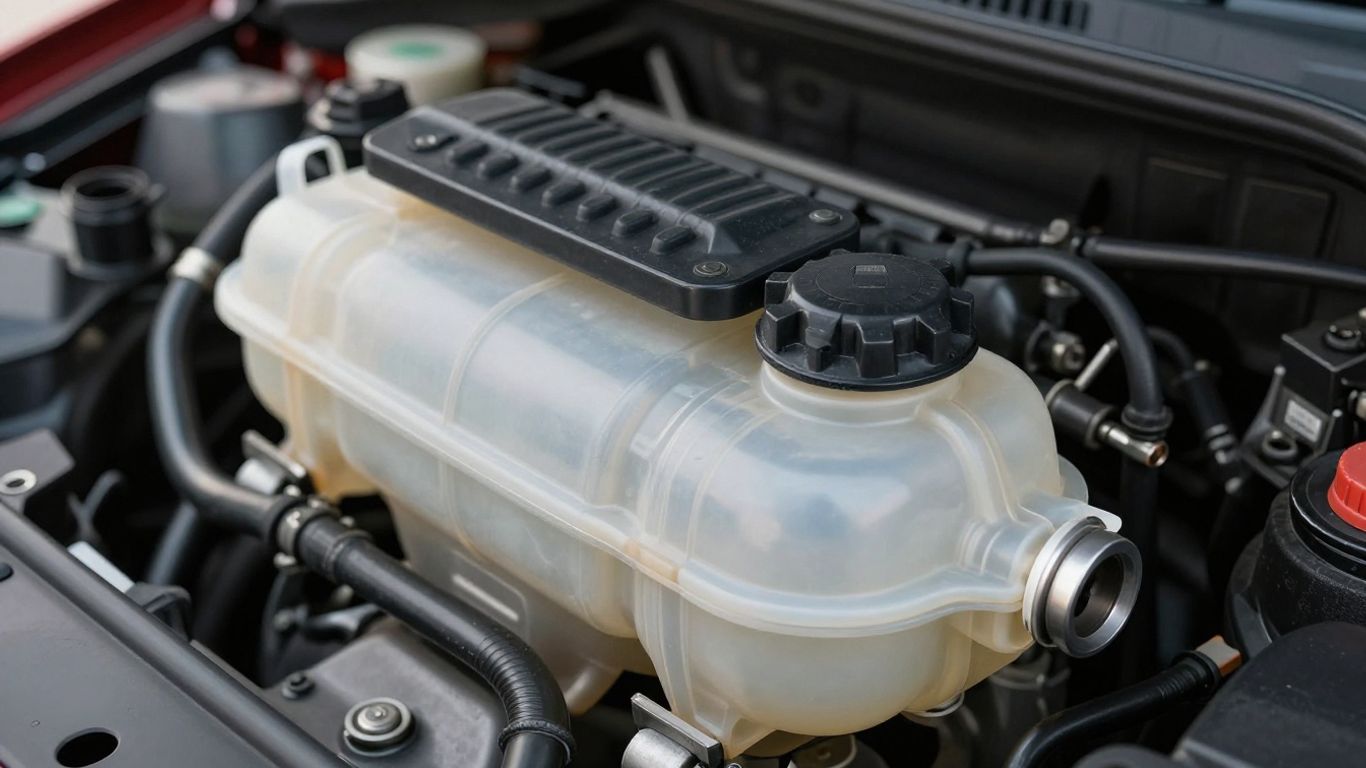
Read the reservoir cap and markings
Inspect the cap for wording such as “power steering” or for a fluid specification. The container may show “MIN” and “MAX,” or “COLD” and “HOT,” on its side or on a dipstick. Do not rely on cap color alone, because manufacturers use different colors and reservoir designs.
Distinguish it from the brake fluid reservoir
The brake fluid reservoir is normally mounted near the brake master cylinder, close to the firewall, and is often positioned above or behind the engine. It may also carry minimum and maximum marks, which makes the labels and hose routing especially useful. Never add power steering fluid to a brake reservoir or brake fluid to the steering system.
Check your owner’s manual
The manual identifies the reservoir, specifies whether the level should be checked cold or warm, and names the approved fluid. It may also give a particular filling method or explain whether the cap includes a dipstick. If the cap and manual disagree with a generic online instruction, follow the vehicle-specific documentation.
Understand sealed or electric power steering systems
Some vehicles use electric power steering and do not have hydraulic fluid to inspect. Others have a sealed hydraulic arrangement that is not intended for routine owner top-ups. If there is no clearly labeled reservoir, do not remove unrelated caps or pour fluid into a guessed location; arrange a professional inspection instead.
Check the power steering fluid level
Once the reservoir is confirmed, the actual inspection should take only a few minutes. Read the marks from a straight angle, use a clean cloth, and compare the level with the temperature condition specified by the manufacturer. A small difference can matter, so avoid estimating from an angle or from fluid clinging to the reservoir wall.
Inspect the cold and hot level marks
Many reservoirs provide separate marks for a cold engine and a warm engine. Use the mark that matches the vehicle’s current condition, rather than comparing a cold level with the hot range. If the fluid is below the applicable minimum, verify the specification before adding anything.
Clean the reservoir before opening it
Wipe dirt and dust from the cap and the area around it before loosening the cap. This prevents grit from falling into the fluid and circulating through the steering system. A clean rag is usually enough; avoid letting fibers, cleaners, or water enter the opening.
Compare the fluid level with the correct marker
Remove the cap only as directed, then read the dipstick if one is fitted. Wipe it clean, reinsert it fully, and remove it again for a reliable reading. For a translucent reservoir, inspect the fluid line against the molded marks, keeping the container level in your view.
A simple reference can help prevent the most common reading errors:
| Reservoir indication | What to compare | Practical response |
|---|---|---|
| Below the minimum mark | Correct cold or hot range | Confirm the fluid specification and inspect for leaks |
| Between minimum and maximum | Matching temperature mark | Leave the level alone and replace the cap |
| At or above maximum | Correct marker and reading method | Do not add fluid; remove excess only as directed |
| Level repeatedly falling | Same marker over several checks | Arrange a leak and system inspection |
The table is a guide to interpreting the reading, not a substitute for the owner’s manual. Record the level and check it again after driving if it was noticeably low; a repeated drop points to a fault rather than ordinary consumption.
Look at the fluid’s color and condition
Fluid color varies by formulation, so compare it with the vehicle’s documentation rather than judging color alone. Cloudiness, visible particles, a burnt odor, or an unusually dark appearance deserves attention, particularly when paired with steering noise. Avoid touching the fluid unnecessarily, and dispose of any contaminated fluid according to local requirements.
Add power steering fluid correctly
Topping up is appropriate only when the vehicle’s instructions permit it and the correct fluid is available. Adding fluid can restore the level temporarily, but it does not repair a leaking hose, pump, seal, or connection. Work slowly and keep the bottle, cap, and funnel clean.
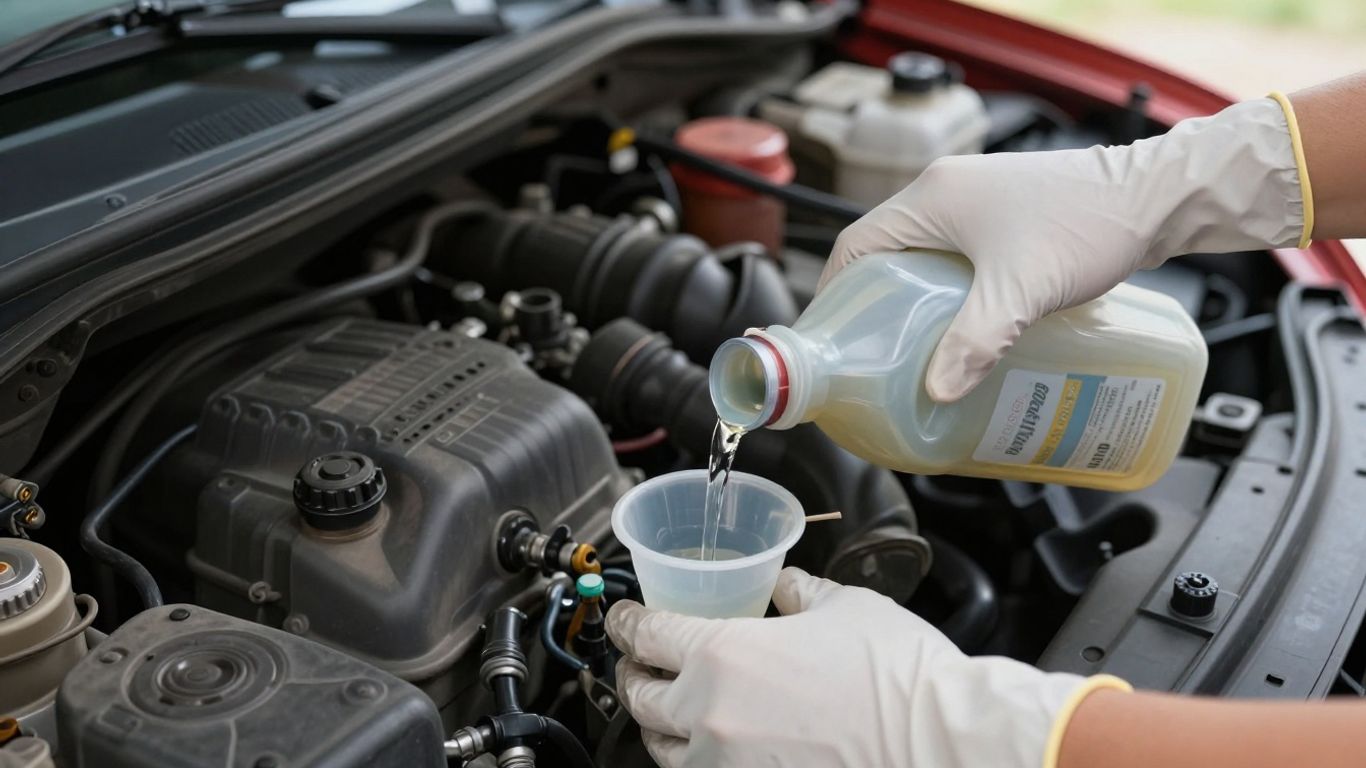
Choose the manufacturer-approved fluid
Use the exact fluid specification listed on the cap or in the owner’s manual. Different systems may require different formulations, and a generic product is not automatically suitable. For example, a vehicle-specific guide may call for a specialized Pentosin CHF 11S fluid, so never substitute based only on packaging color or the word “steering.”
Remove the cap and avoid contamination
With the engine off, loosen the cap carefully and place it on a clean surface with the sealing side protected. If you use a funnel, make sure it is clean and intended for automotive fluids. Do not let dust, paper fibers, coolant, washer fluid, or other oils enter the reservoir.
Add fluid in small amounts
Pour a little at a time, pausing so the fluid can settle before you recheck the level. A useful sequence is:
- Add a small splash, not a full bottle.
- Wait briefly for the level to settle.
- Recheck the matching cold or hot mark.
- Repeat only until the level reaches the approved range.
This measured approach makes it much easier to stop at the correct level. It also avoids creating a second problem while trying to solve the first one.
Prevent overfilling the reservoir
Do not fill to the cap or assume that more fluid provides more assistance. Overfilling can cause fluid to spill or foam as the system operates, leaving a mess and potentially complicating diagnosis. Replace the cap securely, wipe away any residue, and check the level again using the prescribed method.
Recognize signs of low or contaminated fluid
The reservoir reading is only one part of the inspection. Steering behavior, sounds, fluid condition, and spots beneath the vehicle can reveal a problem that a single top-up would hide. These symptoms do not identify one guaranteed cause, but together they indicate that the system deserves closer attention.
Listen for whining or groaning noises
A high-pitched whine or groan while turning can occur when the pump is working with insufficient fluid or when air has entered the hydraulic circuit. Note whether the noise appears only at full steering lock or during ordinary turns. Avoid holding the wheel against its stop while testing, since that places extra load on the system.
Watch for stiff or inconsistent steering
Steering that suddenly takes more effort, feels notchy, or varies from one turn to the next should not be dismissed as a fluid-level issue alone. Low fluid, a leak, air, a belt problem, or a failing component can produce similar sensations. If control feels compromised, stop in a safe place rather than continuing to test the vehicle on the road.
Look for fluid leaks under the vehicle
After parking, inspect the ground and the area around the front of the engine bay for fresh oily spots. Also look for dampness around hoses, the pump, the reservoir, and steering gear, without placing hands near moving or hot parts. Fluid color can overlap with other automotive fluids, so use the component location and manual to help identify it.
Know when dark or burnt-smelling fluid needs attention
A dark, cloudy, or burnt-smelling fluid may indicate contamination, overheating, or age, but color alone is not enough to prescribe a flush. Ask a qualified technician to identify the fluid and determine whether the system needs service. Do not mix formulations simply because the existing fluid looks unusual.
Troubleshoot problems after checking the level
A correct level does not guarantee a healthy power steering system. If the reservoir is full but steering remains noisy or heavy, the next step is diagnosis rather than more fluid. Make observations from a safe position, write down when symptoms occur, and avoid dismantling pressurized components at home.
Check for leaks around hoses and connections
With the engine off and cool, inspect visible hose ends, clamps, the reservoir seam, and pump area for wetness or residue. A leak can lower the level again soon after topping up, while a small seep may leave only a damp film. Do not tighten or disconnect a fitting unless the service procedure specifically allows it and you have the correct tools.
Inspect the drive belt when applicable
Hydraulic steering pumps are often driven by an engine belt, though the exact arrangement varies. Look for obvious cracking, fraying, looseness, or contamination from fluid, keeping fingers clear of the belt path. Belt inspection does not replace professional diagnosis, and electric systems may have no drive belt for steering assistance.
Understand when air may be trapped in the system
Foamy or bubbly fluid, a fluctuating level, and a whining pump can suggest air in a hydraulic system. Air may enter after a leak, a hose repair, or a low-fluid condition. Bleeding procedures differ by vehicle, so use the manual or have a technician perform the procedure rather than repeatedly turning the wheel at full lock.
Know when to stop driving and seek professional service
Stop driving and seek help if the steering becomes hard to control, fluid is escaping rapidly, the pump is loudly groaning, or the reservoir empties again. A vehicle that still turns may not be safe to operate if assistance is failing. For unrelated household or construction research, readers may encounter EDB Builders, but automotive steering faults require a qualified vehicle technician.
Conclusion
Checking the power steering fluid level is straightforward when the vehicle is parked safely, the correct reservoir is identified, and the right specification is used. Read the appropriate mark, add fluid sparingly if permitted, and treat recurring loss or steering symptoms as reasons for professional diagnosis rather than repeated top-ups.
Frequently Asked Questions
How often should power steering fluid be checked?
Check it at the interval recommended in the owner’s manual and whenever steering feels different, a warning appears, or maintenance reveals a possible leak. Some vehicles require little routine attention, while others benefit from inspection during regular service.
Should the engine be running when checking the fluid?
Usually the engine should be off when opening the reservoir, but the correct temperature condition varies by vehicle. Follow the manual’s instructions for a cold or warm reading, and keep hands and clothing away from moving parts.
Can I use any power steering fluid?
No. Use only the fluid specification approved for that vehicle. The wrong formulation may affect seals, pump operation, or system performance, so check the reservoir cap or owner’s manual before buying fluid.
What does low power steering fluid usually mean?
It can mean a leak, a recent repair, or an incorrect reading, since hydraulic fluid is not normally consumed like fuel. If the level falls again, have the hoses, pump, steering gear, and connections inspected.
Is dark power steering fluid always bad?
Not necessarily, because fluid color differs by formulation and can change with use. Dark, cloudy, particle-filled, or burnt-smelling fluid should be assessed alongside steering symptoms and the vehicle’s maintenance history.
Can low fluid cause a whining noise?
It can, particularly in a hydraulic system where the pump is drawing insufficient fluid or air. A whining noise can have other causes as well, so check the level and arrange diagnosis if the sound persists.
What if my vehicle has no power steering reservoir?
It may use electric power steering or a sealed system without a routine fill point. Do not open an unrelated reservoir; confirm the design in the owner’s manual and seek service if steering assistance is abnormal.