

Key Takeaways
Choosing a supplier is about more than finding a part at a good price. Confirm fitment, availability, purchasing terms, and the support you can expect before placing a large order.
- Match the supplier’s range to the steering systems and vehicles you service.
- Verify fitment details and ask how quality is tested and documented.
- Compare stock, lead times, and back-order communication.
- Consider the full cost, including shipping, returns, and minimum quantities.
- Start with a trial order and measure the results against clear expectations.
Understand what a supplier can provide
An aftermarket steering parts supplier may offer a focused set of components or a broader range for several vehicle types. Before comparing quotes, define the parts and coverage your business actually needs. That makes it easier to distinguish a supplier with relevant inventory from one whose catalog only looks broad at first glance.
Compare product range across steering systems
Steering systems vary, and so do the parts needed to service them. Check whether the supplier lists the components you buy regularly, such as steering boxes, pumps, hoses, shafts, or linkage parts, and whether the catalog makes those categories easy to search. For example, Borgeson components include power steering boxes, conversion kits, pumps, hoses, shafts, and universal joints. Use the listed range as a starting point, then confirm the specific part and application rather than assuming every item suits your needs.
Check availability for passenger, commercial, and specialty vehicles
A supplier’s stated vehicle coverage should match the jobs coming through your shop or distribution channel. Ask which vehicle classes and applications its catalog covers, and check whether those details are available before you request a quote. ZF Aftermarket parts are described as steering and chassis parts for passenger cars and light commercial vehicles, while another supplier page describes power steering components for Class 1–3 vehicles. Those distinctions are useful reminders to verify vehicle coverage explicitly instead of treating “automotive” as a single category.
Distinguish manufacturers, distributors, and sourcing partners
The type of supplier affects where product information comes from and how an order is fulfilled. A manufacturer may control product specifications, while a distributor may offer access to multiple product lines; a sourcing partner may help locate items beyond regular stock. Ask who makes the part, who holds inventory, and who handles product questions. Clear answers help you understand where to turn if availability or fitment needs clarification.
Verify part quality and vehicle compatibility
A part that is available at the right price is still a poor buy if it does not fit or its quality cannot be assessed. Request the information you need to compare a candidate part with the vehicle and the original specification. Favor clear fitment evidence over an informal assurance that a part should work.
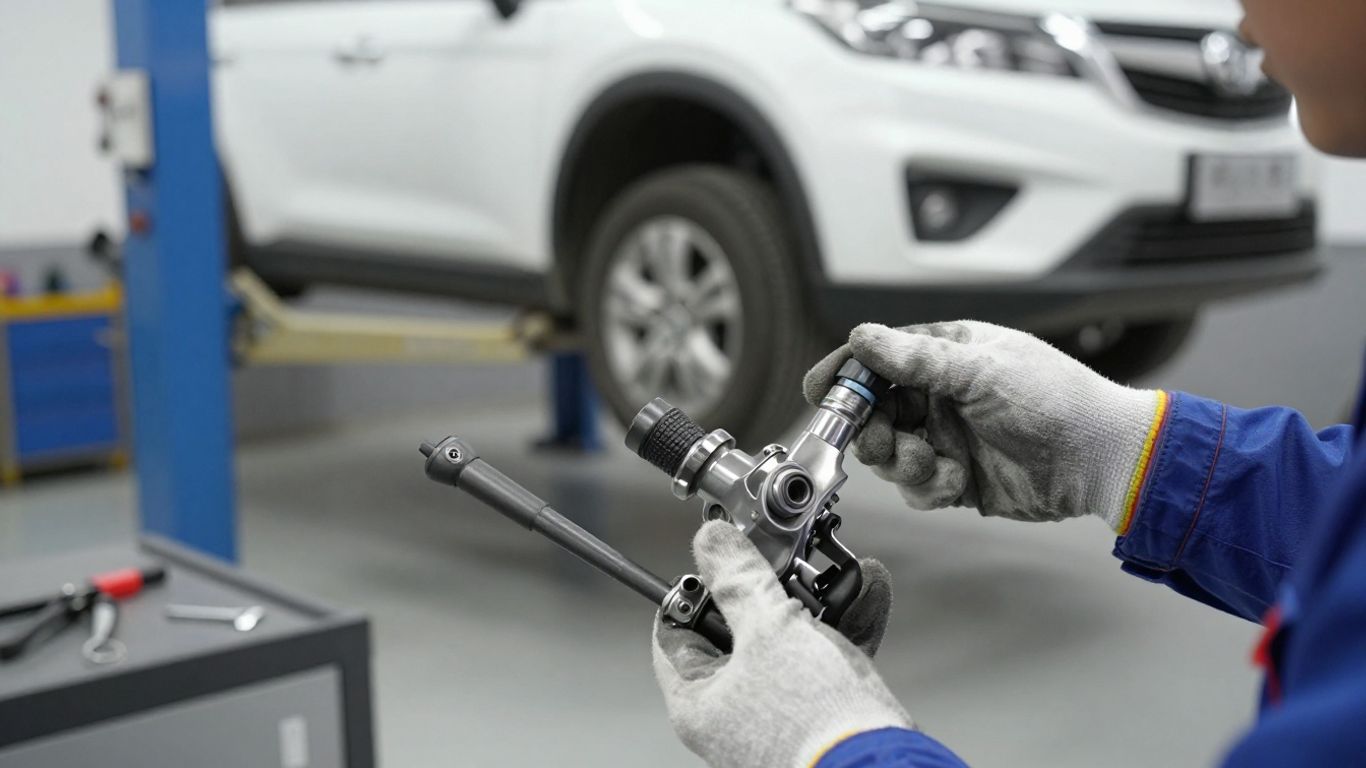
Review fitment data, specifications, and cross-reference tools
Check that catalog data includes the vehicle details needed to identify the correct application, such as year, make, model, and any relevant configuration. Confirm dimensions, connection details, and part numbers against the job requirements. A catalog page for electric steering kits describes vehicle-specific and DIY options for project cars; whatever the part category, make sure the information covers the actual vehicle in front of you. If a supplier offers cross-references, ask how to resolve conflicting or incomplete entries.
Ask about testing, certifications, and quality controls
Quality language is most useful when a supplier can explain what it means in practice. Ask what checks are performed, how product batches are identified, and whether relevant test or certification information is available for the parts you intend to buy. The precise controls may vary by product, so avoid relying on a general quality claim as a substitute for details. A supplier that can describe its process gives you a better basis for comparing options.
Confirm materials, durability standards, and warranty coverage
Ask which material and durability specifications apply to the part, and request documentation where it is available. Then read the warranty terms closely: coverage period, exclusions, proof-of-purchase requirements, and the process for a claim can all affect the real value of a purchase. Keep the written terms with the quote so they can be compared alongside price and fitment, not recalled from a sales conversation later.
Check how the supplier handles product updates and supersessions
Part numbers and catalog entries can change over time. Ask how the supplier communicates a superseded number, whether an updated part has different fitment notes, and how customers are notified when specifications change. When a replacement number appears, verify that it applies to the same vehicle and use case before accepting a substitution. This small check can prevent a catalog update from turning into a mismatch at installation.
Evaluate supplier reliability
A dependable source is one that can give you a realistic picture of what is available and when it can arrive. A large catalog does not tell you whether common parts are in stock or whether an order will ship complete. Look for clear answers about inventory, fulfillment, and the person or team responsible for resolving questions.
Assess inventory depth and order fill rates
Ask how the supplier defines stock availability and whether it can report how often orders ship complete. If a frequently purchased part is held at a distribution location rather than on hand, that distinction matters for planning. A useful comparison separates the items your operation needs often from occasional requests, then checks availability for both. Supplier-reported figures are most useful when the period and product group behind them are clear.
To make inventory discussions concrete, compare the same measures across prospective suppliers:
| Measure | What to ask | Why it matters |
|---|---|---|
| On-hand stock | Is the part physically available to ship? | Clarifies immediate availability |
| Fill rate | What share of orders ships complete? | Shows how often orders arrive as requested |
| Stock location | Where is the available inventory held? | Helps explain transit time |
| Availability updates | How often is stock status refreshed? | Reduces reliance on stale catalog data |
A supplier may not report every measure in the same way, so record the definition along with the answer. Comparing like with like gives you a more useful view than relying on a single headline number.
Compare lead times and shipping options
Ask for estimated processing time as well as transit time; the two are often different. Check which shipping methods are available, whether tracking is provided, and how the supplier handles split shipments. An estimate should reflect your location and order size, not just a best-case delivery window. If timing is critical, get the expected dispatch date in writing.
Ask how back orders and urgent requests are managed
A back order is easier to manage when you hear about it early and have a clear choice about what happens next. Ask whether the supplier offers partial shipments, provides revised dates, and checks with you before substituting a part. For urgent requests, learn what information is needed to check alternate stock or shipping methods. Agreeing on these steps in advance can save time when a job is already waiting.
Look for consistent communication and account support
Notice how clearly the supplier answers ordinary questions before you depend on it for time-sensitive orders. You should be able to identify the right contact, understand when a reply is likely, and get a direct update if something changes. A polished catalog is useful, but dependable communication is what helps you act on that information. Keep a record of recurring issues so the relationship is judged by patterns, not one unusually good or poor interaction.
Compare pricing and purchasing terms
A low unit price does not always produce the lowest cost for a completed order. Freight, minimum quantities, payment timing, returns, and the level of support included can change the comparison. Ask each supplier to price an equivalent part and service arrangement, then keep the assumptions beside the quote.

Evaluate total cost beyond the unit price
Calculate what it takes to receive and use the part, not just what the catalog lists. Include shipping, handling, any required packaging or order fees, and the likely cost of a return if fitment is wrong. Buyer-facing offers in other categories can make scope and terms visible too: outdoor furniture, pickleball gifts, bathroom remodeling, packing services, and custom gutters each frame a different purchase around options or service details. For steering parts, use the same habit of checking what is included before deciding that two prices are comparable.
Review minimum order quantities and volume discounts
Minimums and discounts can help if they match your actual buying pattern, but they can also tie up cash in parts that sit on a shelf. Ask whether pricing changes by item, order value, or order frequency, and whether the quoted discount requires a particular commitment. A simple set of questions helps keep the comparison practical:
- What minimum quantity applies to each part number?
- Does a volume price require one order or a recurring commitment?
- Can mixed part numbers count toward an order threshold?
- How long is the quoted price valid?
Compare the answers with your recent demand, not an optimistic forecast. A modest discount may be less valuable than the flexibility to order only what you need.
Clarify payment terms, returns, and restocking fees
Before placing an order, confirm when payment is due and which payment methods are accepted. Read the return window, condition requirements, and any restocking fee, and ask who pays return freight. Also clarify what happens if the supplier ships the wrong item or a part arrives damaged. A written process makes a difficult order easier to resolve and avoids surprises after the invoice arrives.
Compare quotes using equivalent parts and service levels
Check that each quote refers to the same application, part specification, quantity, and delivery expectation. One price may include faster shipping or a more convenient return process, while another may not. Keep any differences visible rather than treating the lowest figure as an automatic winner. If the supplier proposes an alternative part, ask for its fitment information and terms before comparing it with the original request.
Review technical and after-sales support
Support matters both before installation and when an order does not go as planned. Find out whether help is available for catalog questions, warranty claims, defects, and mismatched parts, and whether guidance is written or verbal. A useful support process is specific: it tells you who to contact, what evidence to provide, and what happens next.
Check access to fitment and installation guidance
Ask where fitment information and installation guidance can be found, and whether it applies to the part and vehicle you are considering. Clarify whether technical staff can help interpret catalog details or whether support is limited to order status. Keep instructions accessible to the people doing the work, and flag any uncertainty before installation begins. This reduces the risk of discovering that key information was missing only after the part is out of its packaging.
Ask how warranty claims and defects are handled
A warranty is only practical if the claim process is clear. Ask what documentation is required, how a suspected defect is assessed, and whether the part must be returned before a decision is made. Find out how the supplier communicates the outcome and what options are available if the claim is approved. Record the contact and steps with your purchase documents so the process is easy to follow if needed.
Confirm support for incorrect or mismatched parts
Even with careful checking, a part can arrive that does not match the application or order. Ask how quickly the supplier investigates a mismatch and whether it needs photographs, vehicle details, or the original packaging. Confirm whether the supplier arranges a replacement or return and how related freight is handled. Clear expectations make it easier to distinguish a catalog error from a change in vehicle configuration.
Consider training and catalog tools for your team
If several people select or order parts, shared procedures can prevent inconsistent decisions. Ask whether the supplier provides searchable catalog tools, reference material, or training relevant to its products. Make sure staff know how to confirm application details and escalate ambiguous listings. A short, repeatable process can be more useful than relying on one experienced person to remember every exception.
Use any video or digital material as a supplement to the supplier’s written fitment details and installation instructions. If a visual guide appears to conflict with part-specific information, pause and ask for clarification rather than assuming the demonstration covers every application.
Build a dependable supplier relationship
A supplier relationship is built through repeated orders, not promises made during an introductory conversation. Start small enough to assess the process, then set expectations for quality, communication, and delivery. A fair review considers both the supplier’s performance and whether your own ordering information was complete and timely.
Start with a trial order and assess results
Choose a modest order that reflects the kinds of parts you expect to buy regularly. Check whether the parts match the order, whether dispatch and delivery align with the estimate, and how the supplier responds to a routine question. Note any extra steps your team had to take. One order will not settle every question, but it can reveal where a larger commitment needs more clarity.
Set expectations for service, quality, and delivery
Agree on what a complete order means, how substitutions are approved, and when you should be told about a delay. Put the key expectations in writing, including the right contact for urgent issues and the process for reporting defects or fitment problems. Keep the agreement practical enough to use day to day. Shared expectations reduce the chance that each side assumes the other is handling an unresolved detail.
Track supplier performance with clear metrics
Choose a few measures that reflect your actual priorities, then review them regularly rather than relying on impressions. For example, track order completeness, on-time delivery, fitment issues, and the time it takes to resolve a problem. Use consistent definitions so changes are meaningful from one review to the next. When performance slips, discuss the specific pattern and agree on a next step.
Plan for demand changes and supply disruptions
Demand can shift with the season, workload, and vehicle mix, while supply can be affected by delays or discontinued parts. Share forecasts when they are useful, but distinguish firm orders from estimates. Ask how the supplier will alert you to a shortage and what information it can provide about alternatives or revised dates. Maintaining a second sourcing option for critical items may also help reduce disruption without turning every purchase into an emergency.
Conclusion
Choosing an aftermarket steering parts supplier takes a little checking up front: verify the application, understand the quality and warranty information, compare complete costs, and pay attention to how orders are handled. A trial order and a few consistent performance measures can show whether a supplier is a practical fit for your business over time.
Frequently Asked Questions
What should I check first when choosing a steering parts supplier?
Start with the part applications you buy most often and confirm that the supplier’s catalog supports those vehicles. Then check availability, fitment information, and the process for resolving a mismatch.
How can I compare two suppliers fairly?
Request quotes for equivalent parts, quantities, and delivery expectations. Compare the complete cost and terms, including freight, returns, payment timing, and available support.
Why is fitment information so important?
Steering parts must match the vehicle and its specific configuration. Clear application details help reduce incorrect orders and give your team a basis for checking a proposed substitution.
What questions should I ask about product quality?
Ask what testing or quality controls apply, what documentation is available, and which warranty terms cover the part. Specific answers are more useful than broad assurances.
How should I evaluate a supplier’s delivery reliability?
Compare estimated processing and transit times, ask how often orders ship complete, and learn how the supplier communicates delays or back orders. Track actual results over several orders.
What should a return policy include?
Check the return window, item condition requirements, restocking fees, and responsibility for return freight. Also ask how the process differs for incorrect, damaged, or defective parts.
Is it worth placing a trial order before committing?
Yes. A small order lets you assess fitment accuracy, fulfillment, delivery, and communication before relying on the supplier for larger or more frequent purchases.