

Key Takeaways
A suitable steering rack starts with accurate vehicle details and a clear understanding of what the quoted price includes. Take time to confirm fitment, condition, installation needs, and the supplier’s terms before ordering.
- Match the rack to the vehicle’s make, model, year, trim, VIN, and steering system.
- Ask what “new,” “reconditioned,” or “used” means for the specific part.
- Compare suppliers on fitment information, availability, support, and total cost.
- Allow for installation, related components, and wheel alignment when budgeting.
- Read delivery, returns, and warranty conditions before you buy.
Identify the right rack for your vehicle
A rack can look right in a listing and still be wrong for a particular vehicle. Before you buy power steering racks Australia-wide, gather the details that identify your car and its steering configuration. A little care at this stage can prevent delays, return freight, and the frustration of a part that does not fit.
Match the make, model, year, and trim
Start with the exact make, model, model year, and trim level, rather than relying on a broad description such as “fits this model.” Variants within one model range can use different steering components, and a change in engine or production year may matter. Give the supplier the full vehicle details and ask them to confirm the match before you place the order.
Check the VIN and steering configuration
The vehicle identification number (VIN) can help a supplier distinguish between closely related versions of a vehicle. Share it through the supplier’s normal fitment process, and confirm whether the car has hydraulic or electric power steering. Those systems are not interchangeable simply because a rack appears similar in a photo or listing.
Compare part numbers and mounting points
If the old rack is accessible, record its part number and compare it with the replacement listing. Also check visible differences such as mounting points, connector locations, and the arrangement of the steering connections. A matching number is useful evidence, but if it conflicts with the vehicle details, pause and ask the supplier to resolve the difference before ordering.
Confirm compatibility with hydraulic or electric systems
Hydraulic and electric steering systems have different requirements, so identify which setup is fitted to the vehicle rather than guessing from the model name. For a hydraulic unit, ask what related connections or components are included; for an electric system, confirm the rack is specified for that configuration. A plain-language explanation of how a power steering rack works can help you understand why the system type matters, but the supplier should verify the exact part for your vehicle.
Choose between new, reconditioned, and used racks
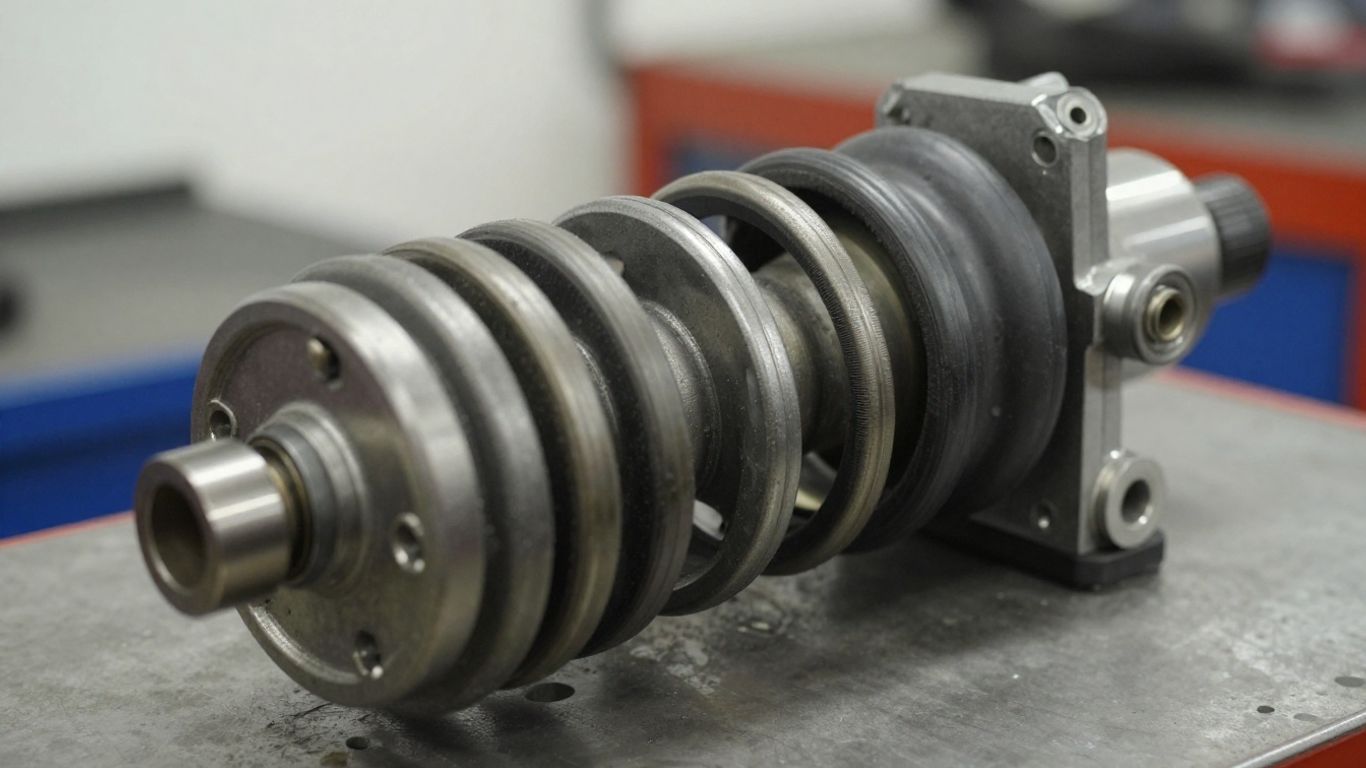
A rack’s condition affects its price, expected remaining service life, and the questions you should ask before buying. Listings do not always use condition terms in the same way, so get the supplier’s definition in writing. The image below shows the kind of component you are comparing, but appearance alone cannot establish its internal condition.
Understand what each condition means
A new rack is sold as a new component, while a reconditioned rack has been restored or had work carried out; the exact process can vary by supplier. A used rack is a previously fitted component, and its history may be limited. Don’t assume a label tells the whole story: ask what work has been completed and what checks have been made on the particular unit.
Ask what parts are replaced or inspected
Ask for specifics about inspection and replacement work, not just a general assurance that the part has been checked. Find out whether seals, joints, boots, or other parts were inspected or replaced, and whether the supplier can describe the checks performed. Written condition details make it easier to compare two listings and give you a clear record of what you agreed to buy.
Check warranty coverage and return conditions
Warranty length is only one part of the decision. Check what the warranty covers, whether installation must be performed by a professional, and what documentation is needed if a fault appears. Also read the return terms: a warranty claim and a change-of-mind return are different processes, and a part that has been installed may be treated differently from one still in its packaging.
Weigh upfront cost against expected service life
A lower purchase price may be appealing, but it should be considered alongside the rack’s stated condition, the available warranty, and the cost of fitting it. The supplier may not be able to promise how long a used or reconditioned component will last in your vehicle. Compare the information you can verify, then choose the option that fits your budget and tolerance for uncertainty.
Evaluate suppliers across Australia
When purchasing from another city or state, clear communication matters as much as the listing itself. Look for a supplier that can explain fitment, disclose condition, and tell you what happens if the part is unsuitable. The best car parts network can make it easier to find parts across Melbourne, Sydney, Brisbane, and elsewhere in Australia, but you still need to check the details of the specific order.
Look for clear fitment and product details
A useful listing should identify the part’s condition and give enough information to begin checking compatibility. If the details are sparse, ask for the part number, relevant vehicle application, and confirmation of steering type before paying. Supplier selection principles also appear in guides to medical equipment suppliers, though automotive parts have their own fitment checks and requirements.
Check business credentials and customer reviews
Look for consistent business contact information and recent customer feedback, while treating individual reviews as personal experiences rather than guarantees. Note whether reviews mention communication, delivery, and how problems were handled. A supplier’s willingness to answer specific questions before a sale can also give you a sense of how clearly the transaction is likely to be managed.
Ask about stock availability and dispatch times
A listing does not always make clear whether the rack is physically in stock, available from another location, or expected later. Ask where the item will ship from and when it is likely to dispatch. Delivery time can vary by location and carrier, so get an estimate for your postcode and avoid scheduling installation around an unconfirmed arrival date.
Confirm support for fitment questions
Before ordering, make sure you know how to reach the supplier if a fitment detail needs checking. A useful response should address the vehicle information you provided rather than simply repeat the listing title. Research results can lead well beyond automotive parts—such as Kihei family travel, the Evel Knievel Experience, WordPress help, or California SIJS orders—so keep your decision grounded in vehicle-specific information and the seller’s actual terms.
Compare prices and the full cost of purchase
The advertised price is only one part of what a replacement will cost. The final amount may depend on what is included, delivery, any exchange arrangement, and the work needed to fit the rack. Ask for a written breakdown so you can compare like with like rather than choosing based on a headline figure.
Check whether hoses, tie rods, or other parts are included
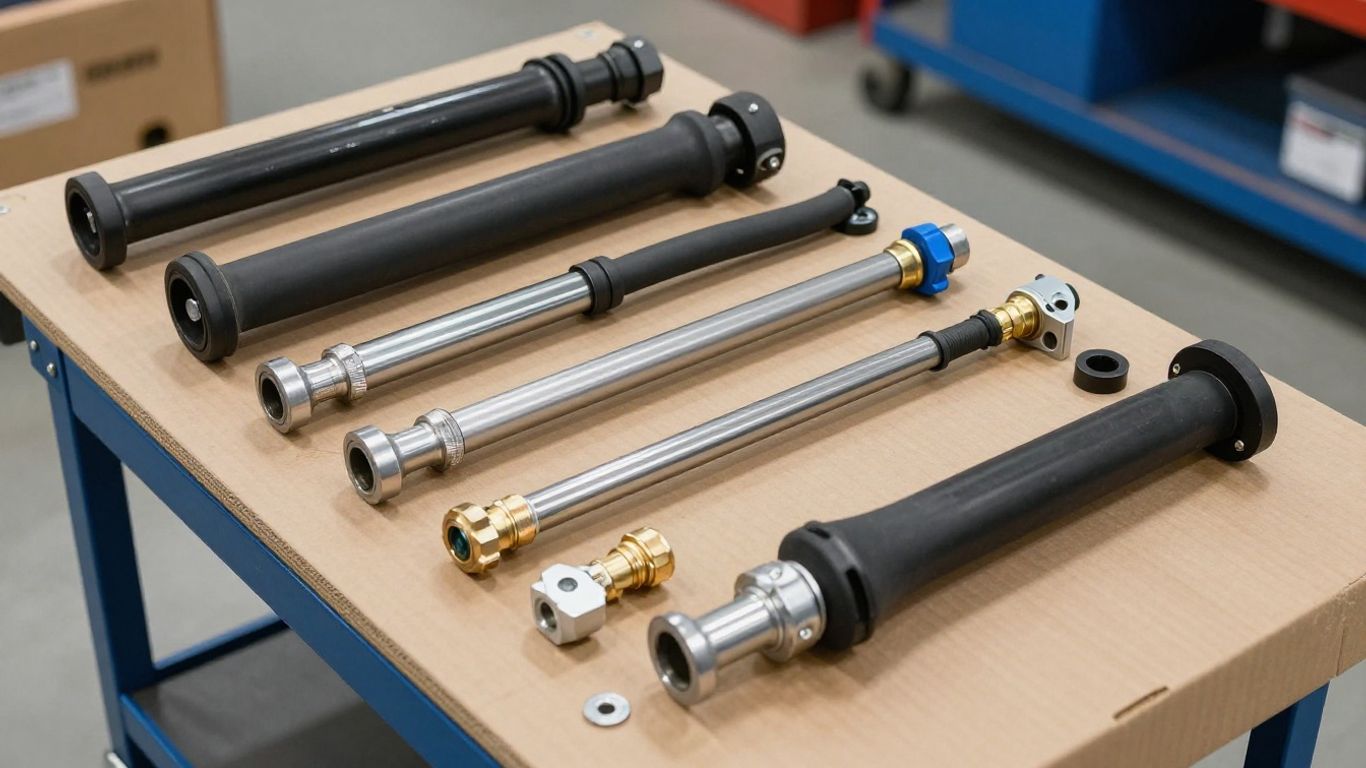
Check the listing or ask the supplier whether hoses, tie rods, fittings, or related components are included with the rack. A photo can help you understand what is pictured, but it does not necessarily establish what comes with the purchase. Confirm the included items in writing and ask whether any required parts must be sourced separately.
Factor in freight and delivery to your location
Freight can make a noticeable difference, especially when the delivery address is outside a major city. Ask whether the quoted delivery charge applies to your postcode and whether residential delivery or collection changes the cost. Include the expected delivery time as well as the fee when comparing options, since a low part price may not suit a repair that needs to happen soon.
Ask about core deposits and exchange requirements
Some suppliers may require the old rack to be returned as part of an exchange arrangement, or may charge a refundable core deposit. Confirm whether either applies, how the old unit must be returned, and what condition it needs to be in. Clarify who pays return freight and what deadline applies so the deposit does not become an unexpected cost.
Compare the total price rather than the advertised price
A simple comparison helps keep the main cost elements visible. Fill in the figures for the specific rack you are considering, rather than assuming each supplier includes the same items or services.
| Cost item | What to confirm | Why it matters |
|---|---|---|
| Rack | Condition and included parts | Listings may differ in what is supplied |
| Freight | Charge to your postcode | Delivery can change the total substantially |
| Exchange | Deposit, return freight, and deadline | The old unit may need to be returned |
| Installation | Labor and related work | The purchase price is not the fitted cost |
Once you have those figures, compare the complete expected cost and note any assumptions that remain unconfirmed. If one supplier’s total is unclear, ask for clarification instead of treating missing information as an included service.
Plan installation and related repairs
A steering rack replacement involves more than removing one component and fitting another. The correct procedure depends on the vehicle and steering system, so check the workshop requirements for your car before booking. Planning the related work in advance can also help avoid paying for repeated labor or discovering a separate issue after the replacement is underway.
Decide whether professional installation is appropriate
Steering is a safety-critical system, and rack removal and fitting can involve specialized tools and vehicle-specific procedures. If you are not experienced with this work, arrange installation with a qualified mechanic who can confirm the correct procedure for your vehicle. Ask for a labor estimate and whether the workshop wants to inspect the replacement part before the job begins.
Check whether the system needs flushing or bleeding
For a hydraulic system, ask the mechanic whether the fluid should be flushed and how the system should be bled after fitting. The correct approach depends on the vehicle’s requirements and the condition of the existing fluid and components. Do not assume the same process applies to every rack; follow the service information for the specific car.
Inspect connected steering and suspension components
A new rack will not resolve every steering concern if another connected component is worn or damaged. Have the mechanic inspect related steering and suspension parts and check whether anything else needs attention during the job. A brief steering rack replacement overview can help frame questions about repair costs, while the actual estimate should be based on your vehicle and workshop assessment.
Arrange a wheel alignment after replacement
Ask the workshop to include a wheel alignment in the repair plan, or confirm where and when it will be done after the rack is fitted. Replacing steering components can affect alignment, and the vehicle should be checked against its specifications. Clarify whether the alignment is included in the quoted labor so it does not appear later as an unplanned expense.
A short visual explainer can help you follow the broad stages of the job, but it is not a substitute for vehicle-specific service information or professional advice.
Use any video as background only; the workshop should follow the correct procedure for your vehicle and confirm the system operates properly after installation.
Check delivery, returns, and warranty terms
Before paying, read the terms that will apply if delivery is delayed, the part arrives damaged, or fitment is not as expected. Keep the supplier’s answers with your order confirmation so you do not have to rely on memory later. Clear records make it easier to follow the right process if a question arises.
Confirm packaging protects the rack in transit
Ask how the rack will be packed for delivery and whether vulnerable connections and projecting components are protected. When the parcel arrives, inspect the packaging and the part before installation, and take photos if anything appears damaged. Report a transit issue promptly using the supplier’s stated process, rather than discarding the packaging before the matter is resolved.
Understand return deadlines and eligibility
Check how many days you have to request a return and whether the item must remain unused or uninstalled. Confirm who pays return freight and whether restocking charges or exclusions apply. If you are uncertain about fitment, resolve that question before the part is fitted, because installation can affect eligibility for a return.
Keep invoices and fitment records
Save the invoice, order confirmation, part number, vehicle details supplied to the seller, and any written fitment confirmation. Keep installation records and alignment paperwork as well. Together, these documents show what was ordered, which vehicle it was intended for, and what work was completed.
Follow the supplier’s warranty claim process
If a problem occurs, contact the supplier within the stated timeframe and follow the claim steps in the warranty terms. Provide the invoice, fitment details, and any requested workshop findings, and ask before removing or returning the rack if instructions are unclear. Keeping communication in writing helps both sides track what has been reported and what should happen next.
Conclusion
Choosing a replacement steering rack is a matter of matching the exact vehicle, understanding the part’s condition, and checking the full purchase and installation costs. Confirm fitment and terms in writing, then plan delivery and workshop time with enough room for the unexpected. A careful comparison can make the purchase clearer and reduce avoidable delays.
Frequently Asked Questions
How do I know which steering rack fits my car?
Use the make, model, year, trim, and VIN to confirm fitment, and identify whether the vehicle has hydraulic or electric steering. Ask the supplier to verify the part number and application before you order.
Is a reconditioned rack the same as a used rack?
No. A reconditioned rack has had work carried out, though the work varies by supplier; a used rack is a previously fitted part that may have limited service history. Ask what was inspected or replaced in either case.
What should I ask before buying a used rack?
Ask about its history if known, the checks performed, any visible damage, what parts are included, and the applicable warranty and return conditions. Get the answers in writing.
Does the rack price include installation?
Not necessarily. Parts listings generally need to be checked separately from workshop labor, alignment, freight, and any related repairs. Request a complete estimate before making a comparison.
Should I replace hoses or tie rods with the rack?
That depends on the vehicle and the condition of the connected parts. Ask the mechanic to inspect them and confirm whether replacement is needed; also check which items are included with the rack you are buying.
Is wheel alignment needed after replacing a steering rack?
Have the workshop check alignment after replacement and confirm whether the service is included in the repair quote. The correct process should follow the vehicle’s specifications.
What documents should I keep after purchase?
Keep the invoice, order confirmation, part number, fitment correspondence, warranty terms, and installation and alignment records. These details are useful if you need to contact the supplier later.