

Key Takeaways
Power steering problems usually give you small clues before they become a breakdown. Regular checks, sensible driving, and prompt repairs can keep steering predictable and protect expensive components.
- Use only the fluid specified for your vehicle.
- Inspect fluid, hoses, belts, and connections regularly.
- Keep tires correctly inflated and address alignment issues.
- Treat heavy steering, leaks, and unusual noises as warnings.
- Stop driving if steering becomes unsafe or difficult to control.
Understand how your power steering system works
Power steering reduces the effort needed to turn the front wheels, but the way it provides assistance depends on the vehicle. Older and some current vehicles use hydraulic pressure, while others use an electric motor and sensors. Knowing which system is fitted makes troubleshooting less guesswork and helps you follow the right maintenance routine.
Hydraulic and electric power steering differences
A hydraulic system uses a pump, fluid, hoses, and a steering gear or rack to create assistance when you turn the wheel. Electric power steering uses sensors, control electronics, and a motor instead, so it does not depend on a fluid reservoir or belt-driven pump in the same way. A power steering failure guide can help you compare common symptoms, but your owner’s manual remains the best source for vehicle-specific information.
Common components that can fail
A hydraulic system may develop trouble in the pump, belt, reservoir, hoses, seals, rack, or steering gear. Electric systems can experience sensor, wiring, motor, or control-module faults. Tie rods and other steering parts are separate from the assistance system, but wear in those components can still make the wheel feel loose, noisy, or unusually difficult to turn.
How driving conditions affect steering performance
Cold starts can temporarily make fluid more viscous, while heat and heavy use place additional stress on belts, pumps, and electrical components. Repeated low-speed turns, towing, rough roads, and frequent curb contact also increase the load on steering and suspension parts. If the steering feels different after a demanding drive, do not assume it will correct itself once the vehicle cools.
Why regular maintenance prevents expensive repairs
Small leaks and belt problems are generally easier to address than a pump damaged by running without enough fluid. A few minutes spent checking the system can reveal a falling fluid level, a damp connection, or a belt beginning to crack. For Australia’s trusted Car Parts Supplier, helping drivers find the right replacement part quickly is part of keeping repairs practical across Melbourne, Sydney, Brisbane, and nationwide.
Check and maintain power steering fluid
Fluid checks are among the simplest maintenance tasks, but they must be done carefully. The reservoir location, level markings, and inspection method vary between vehicles, and some newer cars have no hydraulic fluid reservoir at all. Never add fluid simply because it is available in the garage; first confirm that the vehicle actually uses it and that the specification is correct.
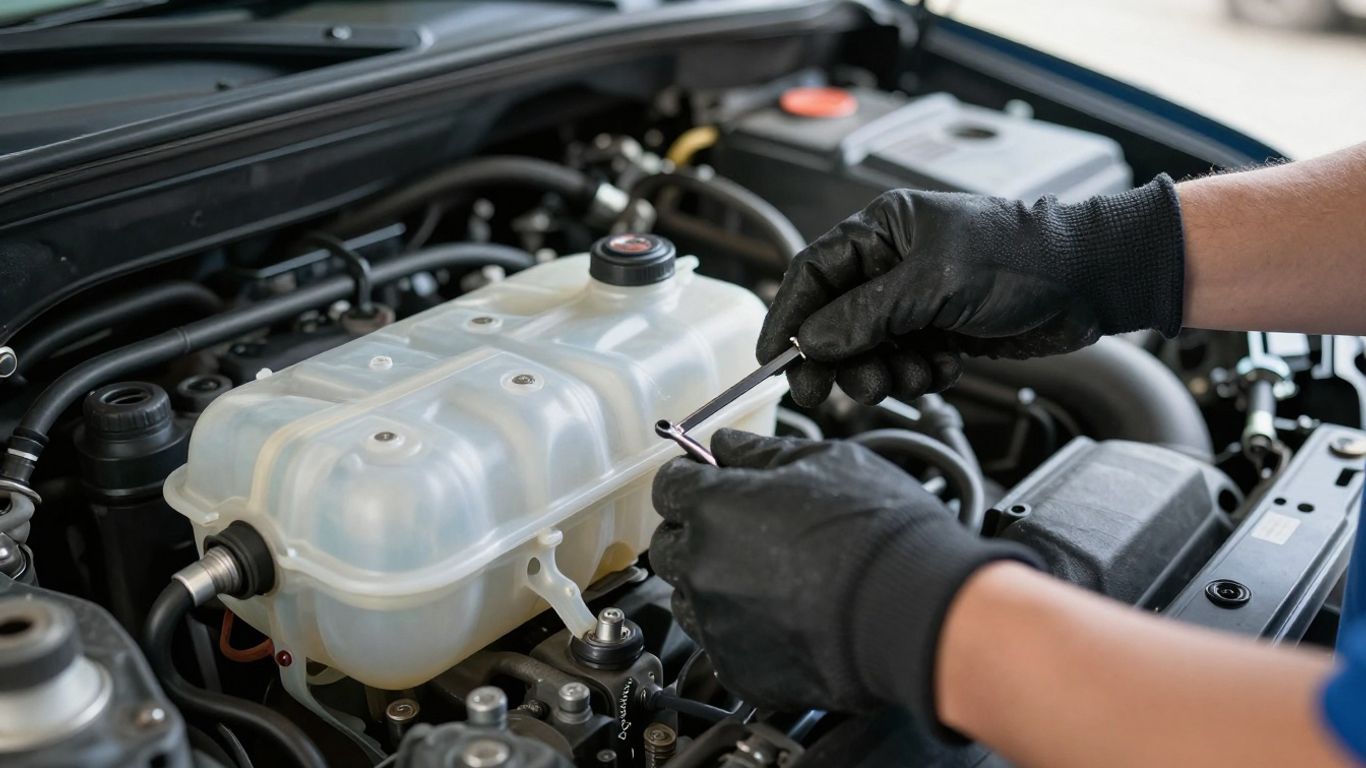
How to identify the correct fluid for your vehicle
Read the owner’s manual, reservoir cap, or manufacturer service information before buying fluid. Some vehicles require a particular power steering fluid, while others specify automatic transmission fluid or another approved formulation. If the label is unclear, pause the job and confirm the specification with a qualified parts adviser or technician.
How to inspect fluid level and condition
Park on level ground, switch off the engine, and follow the temperature instructions for checking the reservoir. The level should sit between the marked minimum and maximum points, not simply at the top of the container. Look for a strong burnt smell, unusual darkening, foam, or visible debris, and investigate why the condition changed rather than masking it with a top-up.
When to flush or replace the fluid
There is no universal replacement interval for every vehicle, so follow the service schedule and inspect the fluid as part of routine maintenance. A flush may be appropriate when the fluid is contaminated, badly degraded, or the system has been opened for a repair. Because bleeding and flushing can require specific procedures, use professional help if air remains in the system or steering does not return to normal.
Why overfilling or using the wrong fluid causes problems
Overfilling leaves too little room for fluid expansion and can force fluid past seals when the system heats up. An incorrect fluid may affect seals, lubrication, pressure control, or the behavior of the pump. The correct specification matters more than a quick refill, especially when a leak or noise suggests that the underlying fault has not been fixed.
Find and address leaks early
A power steering leak rarely improves by itself. It may begin as a damp patch around a connection and eventually lower system pressure enough to make steering heavy or damage the pump. Look for fresh fluid after parking, but remember that airflow and road spray can move fluid away from its original source.
Common sources of power steering fluid leaks
Typical leak points include reservoir hoses, pressure and return lines, pump seals, rack seals, O-rings, and connections. Fluid can also run along a component before dripping, which makes a leak appear to come from somewhere else. A fluid leak inspection guide offers another useful overview of why aging hoses and seals deserve attention.
Signs of a minor leak versus a serious failure
A small damp area with a stable fluid level still needs attention, but a growing puddle, repeated top-ups, or fluid sprayed around the engine bay indicates a more urgent fault. Heavy steering, pump noise, or a rapidly falling reservoir level suggests that the system may be losing assistance. Do not judge severity by puddle size alone; a leak may only appear while the system is under pressure.
How to inspect hoses, seals, and connections
With the engine off and the vehicle safely parked, inspect accessible hoses and joints for wetness, cracking, swelling, or rubbed areas. Use a torch rather than placing hands near moving belts, and never crawl beneath a vehicle supported only by a jack. Clean-looking components can still leak, so recheck after a short drive if the source is not obvious.
When a leak requires professional repair
Arrange a professional inspection when fluid is escaping quickly, the steering is heavy, the pump is noisy, or the leak appears to come from the rack or another difficult-to-access component. Stop-leak products may change symptoms without correcting a failed hose, seal, or component. A proper repair should identify the source, restore the fluid level, and remove trapped air where required.
Protect the belt, pump, and steering components
Hydraulic assistance depends on several parts working together, and one weak link can affect the whole system. A belt may slip, a pump may wear, or low fluid may leave internal surfaces poorly lubricated. Electric systems have different failure points, but they still benefit from clean connections, sensible loading, and prompt attention to warning signs.
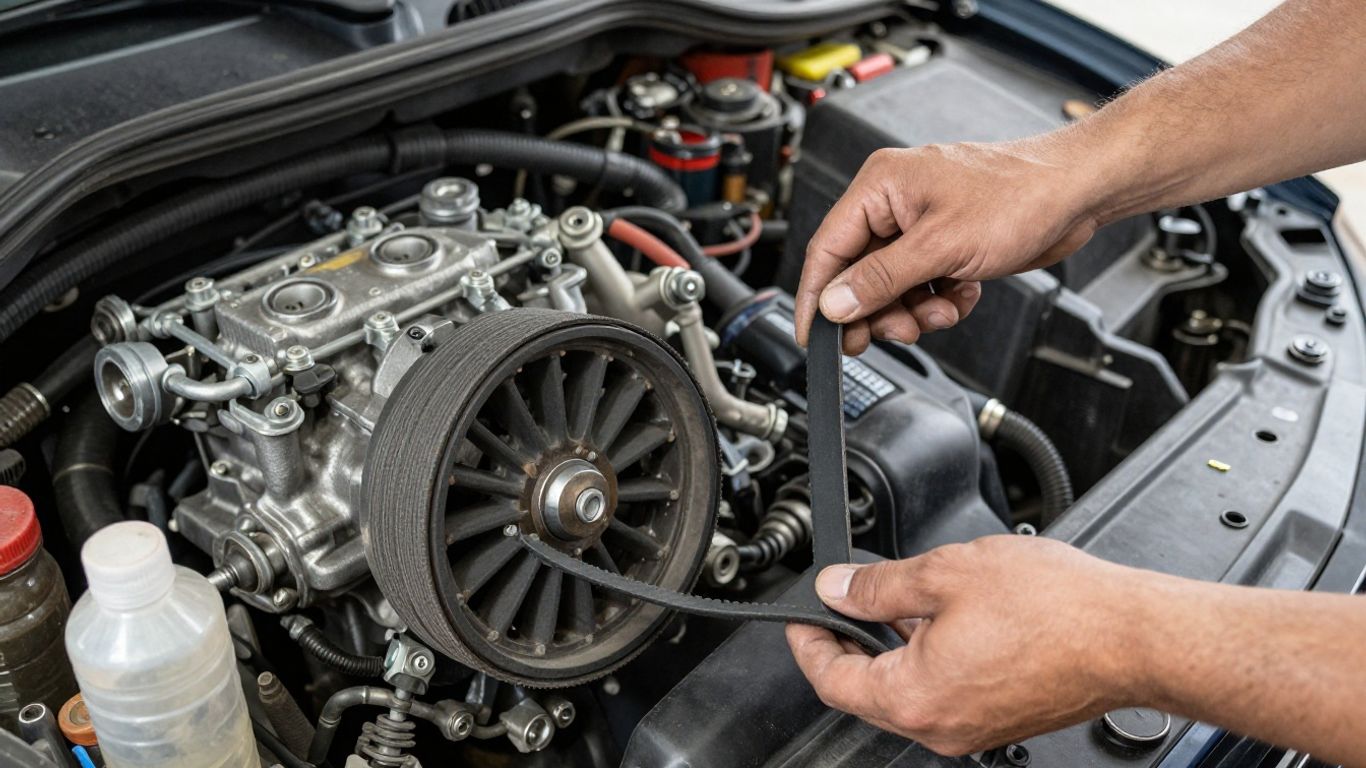
How to inspect the serpentine or drive belt
Look for cracks, fraying, glazing, missing ribs, or oil contamination when the engine is off. A belt that squeals during steering manoeuvres may be slipping because of wear, contamination, incorrect tension, or excessive pump resistance. Keep hands, clothing, and tools away from moving components, and replace a questionable belt according to the vehicle’s service requirements.
Warning signs of a worn power steering pump
A pump may be struggling when steering assistance is inconsistent, the wheel becomes harder to turn at low speed, or a whine rises as the engine speed changes. These symptoms can also come from low fluid, air, a slipping belt, or another fault, so replacing the pump without diagnosis can waste money. Record when the symptom occurs and whether the fluid level or temperature changes it.
How low fluid can damage internal components
Fluid does more than transmit hydraulic pressure; it also helps lubricate and cool components. If the level falls far enough, the pump may draw air, overheat, and wear rapidly, while aerated fluid can make steering feel uneven. Finding and repairing the leak before repeated driving at low level is usually far cheaper than replacing several damaged parts.
Why unusual noises should not be ignored
Whining, groaning, chirping, and squealing are useful clues, particularly when they appear during turning. A noise may signal low fluid, air in the system, belt slip, bearing wear, or a pump under abnormal load. Use this steering noise troubleshooting guide as a starting point, then have persistent or worsening noise diagnosed rather than turning up the radio.
Maintain tires, alignment, and steering geometry
Power assistance cannot compensate for tires or suspension that are out of specification. Uneven tire pressure, poor alignment, and worn joints change the force required at the steering wheel and can make a healthy system feel faulty. These checks also support stable handling and even tire wear.
How tire pressure affects steering effort
Underinflated front tires increase the contact area and make low-speed steering heavier, especially during parking. Overinflation can reduce grip and make the vehicle feel nervous over bumps. Check pressures when the tires are cold and use the vehicle’s recommended values rather than the maximum pressure printed on the tire sidewall.
Why wheel alignment matters for power steering
Incorrect toe, camber, or caster can cause pulling, wandering, uneven wear, or a steering wheel that does not return naturally after a turn. The assistance system then works against additional rolling resistance or altered geometry. Have alignment checked after a hard impact, suspension repair, or clear change in handling.
Inspecting tie rods, ball joints, and suspension parts
Worn tie rods, ball joints, bushings, or strut components can create clunks, looseness, and vague steering. A visual check may reveal a torn boot or damaged part, but some play can only be confirmed with the vehicle safely lifted and tested. Repairs should address the mechanical fault before an alignment is performed.
Avoiding curb impacts and excessive steering force
Try not to hold the wheel hard against the stop during a full-lock turn, particularly in a hydraulic vehicle. Curb strikes and potholes can bend or loosen steering and suspension parts even when the tire looks fine. Smooth manoeuvres reduce strain, while slower speeds give you more time to avoid sudden impacts.
Respond to warning signs before failure
The best way to prevent power steering problems is to respond while the symptom is still intermittent. A brief change in effort, a new sound, or a warning light may be the first evidence of a fault that will become much harder to manage later. Treat the vehicle’s behavior as information, not as an inconvenience to ignore.
Steering that suddenly feels heavy or inconsistent
Pull over safely if the wheel becomes unexpectedly heavy, jerky, or difficult to control. Check whether the engine has stalled, whether a warning light is present, and whether there is visible fluid loss, but avoid reaching near belts or hot components. A guide to sudden steering loss can help you understand the immediate safety priorities while you arrange assistance.
Whining, groaning, or squealing while turning
Noise that appears only at full lock may indicate high system load, while noise throughout a turn can point to low fluid, air, belt slip, or component wear. Note whether the sound changes with engine speed and whether the steering effort changes with it. That information gives a technician a better starting point than a general report that the car “sounds wrong.”
Dashboard warning lights and electronic faults
An electric power steering warning may indicate a sensor, motor, wiring, battery-voltage, or control fault. Do not assume that replacing a battery or clearing a code has solved the issue unless the system has been tested afterward. If the warning remains, steering assistance changes, or other electrical symptoms appear, arrange diagnosis promptly.
When it is unsafe to continue driving
Do not continue driving if you cannot steer normally, the wheel has excessive free play, fluid is pouring out, smoke is present, or the vehicle pulls sharply. Move to a safe location if possible, switch on hazard lights, and call for roadside assistance. Australia’s trusted Car Parts Supplier can help source the right part when a repair has been diagnosed, but parts should not be selected by symptom alone.
Building a preventive maintenance schedule based on mileage and use
A simple routine works best when it matches the vehicle and the way it is driven. Keep service records and add checks after long trips, towing, rough-road use, or an impact. Useful reminders include:
- Check tire pressures and inspect for uneven wear each month.
- Look over fluid level, hoses, and visible belt condition during regular servicing.
- Investigate new noises, leaks, or steering changes as soon as they appear.
- Follow the manufacturer’s fluid and inspection intervals.
These steps are not a substitute for diagnosis, but they make changes easier to spot before they become a roadside problem. For broader preparation, even practical advice about passenger-driver safety can reinforce the value of calm communication when a vehicle starts behaving unexpectedly.
A short maintenance video can be useful for locating a reservoir or belt, but always confirm the procedure against your vehicle’s manual. If the system differs from the example, stop and get model-specific advice.
Conclusion
Power steering reliability comes from small, repeatable habits: use the right fluid, watch for leaks, protect belts and pumps, maintain tires and alignment, and act quickly when steering changes. This approach reduces avoidable wear and gives you a better chance of fixing a modest fault before it becomes a costly or unsafe failure.
Frequently Asked Questions
How often should power steering fluid be checked?
Check it during regular servicing and whenever you inspect under the hood, while following the vehicle manufacturer’s instructions. A falling level should always prompt a leak inspection rather than repeated topping up.
Can I drive with low power steering fluid?
Driving with low fluid can cause heavy steering, pump noise, overheating, and internal wear. Add only the specified fluid if appropriate, and arrange a repair instead of treating the refill as a permanent solution.
What does a power steering leak look like?
It may appear as a wet area around a hose, pump, rack, or connection, or as a puddle beneath the front of the vehicle. Fluid color varies with age and formulation, so location and confirmation matter more than color alone.
Why does power steering whine when turning?
Common possibilities include low or aerated fluid, a slipping belt, pump wear, or excessive load at full steering lock. The noise should be checked, especially if it is new or accompanied by heavier steering.
Do electric power steering systems use fluid?
Many electric systems do not use hydraulic power steering fluid because an electric motor provides the assistance. The exact system varies by vehicle, so check the manual before searching for a reservoir.
Is it safe to hold the steering wheel at full lock?
Avoid holding it against the stop longer than necessary. The maneuver can place extra load on hydraulic components and may increase noise or heat, particularly during repeated low-speed turns.
What should I do if power steering fails while driving?
Reduce speed smoothly, keep both hands on the wheel, move to a safe location, and stop if you can do so safely. Arrange roadside assistance if steering is difficult, inconsistent, or accompanied by a warning light or fluid loss.