

Key Takeaways
A power steering rack can last for many years, but its service life depends on mileage, road conditions, fluid care, and the condition of nearby steering parts.
- Many racks last roughly 100,000 to 150,000 miles, though some fail earlier and others continue much longer.
- Leaks, loose steering, uneven effort, and unusual noises deserve prompt inspection.
- Low or contaminated fluid can accelerate wear in hydraulic systems.
- A mechanic should check tie rods, boots, hoses, alignment, and the steering rack together.
- Delaying a serious steering fault can affect control and increase repair costs.
Typical lifespan of a power steering rack
A steering rack does not have a fixed replacement date. It works every time the vehicle turns, so its lifespan reflects the vehicle’s weight, use, maintenance history, and road environment. A well-maintained rack may serve for many years, while a neglected or damaged unit can develop trouble much sooner.
The often-cited range of 100,000 to 150,000 miles is a useful starting point, not a guarantee. This steering rack lifespan guide also illustrates why mileage should be considered alongside driving habits and maintenance.
Average mileage and years of service
Many power steering racks remain serviceable for about 100,000 to 150,000 miles, which can translate to roughly seven to fifteen years for an average driver. That range varies widely because some vehicles accumulate heavy urban use, towing loads, or frequent low-speed maneuvering. A rack showing no symptoms does not need replacement simply because it has reached a particular odometer reading.
Mileage is best treated as a prompt for closer inspection. Check the steering feel, fluid condition, boots, and surrounding components rather than relying on a calendar number alone.
Differences between hydraulic and electric systems
Hydraulic power steering racks use fluid pressure and rely on a pump, hoses, seals, and the correct fluid level. Leaks or contaminated fluid can therefore affect both steering assistance and the rack’s internal wear. Electric power steering systems use an electric motor and control components instead, so they do not have hydraulic rack fluid in the same way.
Electric assistance does not make the steering system maintenance-free. Mechanical rack components, joints, boots, wiring, sensors, and the motor can still wear or develop faults. The correct diagnostic approach depends on the vehicle’s design.
Factors that affect steering rack longevity
The rack’s working environment often matters more than its age. Vehicle weight, wheel and tire setup, alignment, steering habits, and the condition of the suspension all change the loads placed on the rack. A vehicle that regularly carries heavy loads or runs wide, high-grip tires may put greater strain on steering components.
The basic rack-and-pinion principle is straightforward: rotation at the steering wheel becomes side-to-side movement at the rack. A useful rack and pinion explanation covers that relationship and the way driving style, road conditions, and vehicle load influence wear.
Why driving conditions matter
Potholes, gravel, standing water, salt, and repeated impacts can damage boots or place sudden loads on tie rods and rack mounts. Frequent tight turns while stationary can also increase stress because the tires resist movement against the road surface. Gentle steering inputs and sensible speed over rough surfaces help reduce those loads.
Short trips in heavy traffic can be demanding too, particularly when the vehicle spends much of its time turning, parking, and idling. There is no single driving pattern that predicts failure, but harsh use usually makes careful inspections more valuable.
Signs your power steering rack is wearing out
Steering problems often begin as small changes rather than a dramatic failure. The wheel may feel less precise, assistance may vary, or a damp patch may appear under the front of the vehicle. Because several steering and suspension faults can feel similar, symptoms should be considered together rather than diagnosed from one clue.
Steering looseness and excessive play
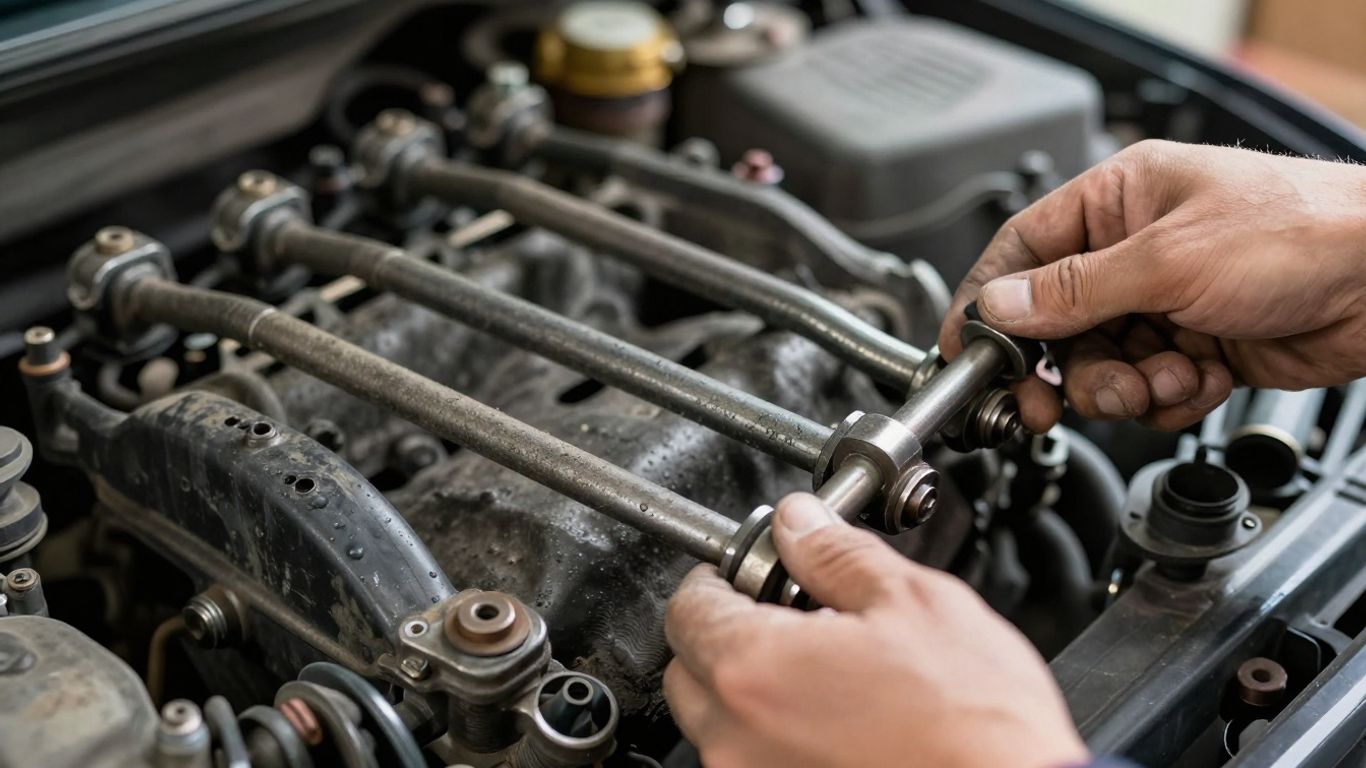
Excessive free play can make the vehicle wander or feel slow to respond when the wheel is turned. The cause may be internal rack wear, but worn tie rods, ball joints, steering shafts, or mounting hardware can create a similar sensation. A driver may notice that small steering corrections are needed to maintain a straight path.
Any new looseness deserves attention, especially if it worsens quickly. Steering is a safety-critical system, so avoid assuming that the rack is at fault until the related joints have been checked.
Fluid leaks around the rack
Hydraulic fluid around the rack, inner tie-rod boots, hoses, or subframe can point to a failing seal or another leak in the system. A fluid level that repeatedly drops is also a warning, even when the leak is not obvious from above. Fluid on the ground may be red, amber, or another color depending on the vehicle and lubricant.
Clean fluid from the area and recheck it after a short drive if it is safe to do so. Do not rely on color alone, and never use a fluid type that is not approved for the vehicle.
Uneven or difficult steering
A rack problem may cause steering effort to vary from one direction to the other, feel heavy at certain points, or fail to return smoothly after a turn. Hydraulic assistance can weaken when fluid is low or a pump is failing, while electric systems may show warning messages or intermittent assistance. Binding suspension parts can produce similar symptoms.
Steering that suddenly becomes very heavy should be treated as urgent. Pull over safely when possible and arrange an inspection rather than continuing to drive normally.
Clunking, whining, and other unusual noises
A whining noise that changes with steering input can be associated with low fluid, air in a hydraulic system, or pump trouble. Clunks may come from rack mounts, inner tie rods, outer tie rods, or suspension joints. A noise by itself does not identify the failed part, but its timing and location can help a mechanic narrow the search.
Note whether the sound occurs while turning, braking, crossing bumps, or sitting still. That detail is often more useful than trying to name the noise yourself.
What causes a power steering rack to fail
Rack failure is usually the result of gradual wear, contamination, impact, or damage to a connected component. Sometimes the rack itself is healthy but a torn boot or leaking hose has allowed a separate problem to spread. Finding the original cause matters because replacing the rack without correcting the underlying issue can lead to another repair.
Worn seals and internal components
Seals can harden with age and begin to leak, while the rack bar, pinion, bearings, and bushings can develop wear. Internal wear may create play, uneven movement, or fluid bypass in a hydraulic rack. Heat, pressure, and repeated steering cycles gradually add to the strain.
A rebuild may be practical when the housing and major components remain within specification. If the damage is extensive, replacement is generally more predictable.
Contaminated or low power steering fluid
Low fluid can allow air into a hydraulic system, causing noise and inconsistent assistance. Contaminated fluid may damage seals, restrict small passages, or accelerate wear in the pump and rack. A fluid leak should therefore be treated as a cause to investigate, not merely a level to top up.
The correct fluid specification matters. Mixing incompatible fluids or using a substitute can create seal and performance problems that are difficult to trace later.
Damaged tie rods and steering boots
A torn steering boot can expose the inner joint and rack shaft to water, grit, and road salt. Worn tie rods can create looseness that feels like rack failure, while a damaged joint can place abnormal loads on the rack. These parts sit close together, so a careful inspection should cover the complete steering assembly.
Replacing a boot or tie rod early may prevent more expensive damage. It also helps ensure that a newly installed rack is not immediately exposed to the same contamination or looseness.
Corrosion, impact, and harsh road conditions
Corrosion can affect the rack housing, fasteners, pipes, and mounting points, particularly in areas where roads are treated with salt or vehicles regularly encounter moisture. A hard pothole strike may bend a component, damage a mount, or disturb alignment. Repeated impacts can cause problems even when there is no visible crack.
After a significant impact, inspect the rack along with the subframe, control arms, wheels, and alignment. A steering fault that appears after an impact should not be dismissed as ordinary wear.
How to diagnose a failing steering rack
Diagnosis begins with observing the symptom and then checking the entire steering system. A rack is only one part of a chain that includes the steering wheel, shaft, joints, rack mounts, assistance system, and front suspension. Good testing prevents an expensive rack replacement when another component is responsible.
A reliable parts supplier can also help compare the correct genuine, used, or aftermarket application once the vehicle and failed component have been confirmed. That fitment step matters more than choosing a part by appearance alone.
Basic checks you can perform at home
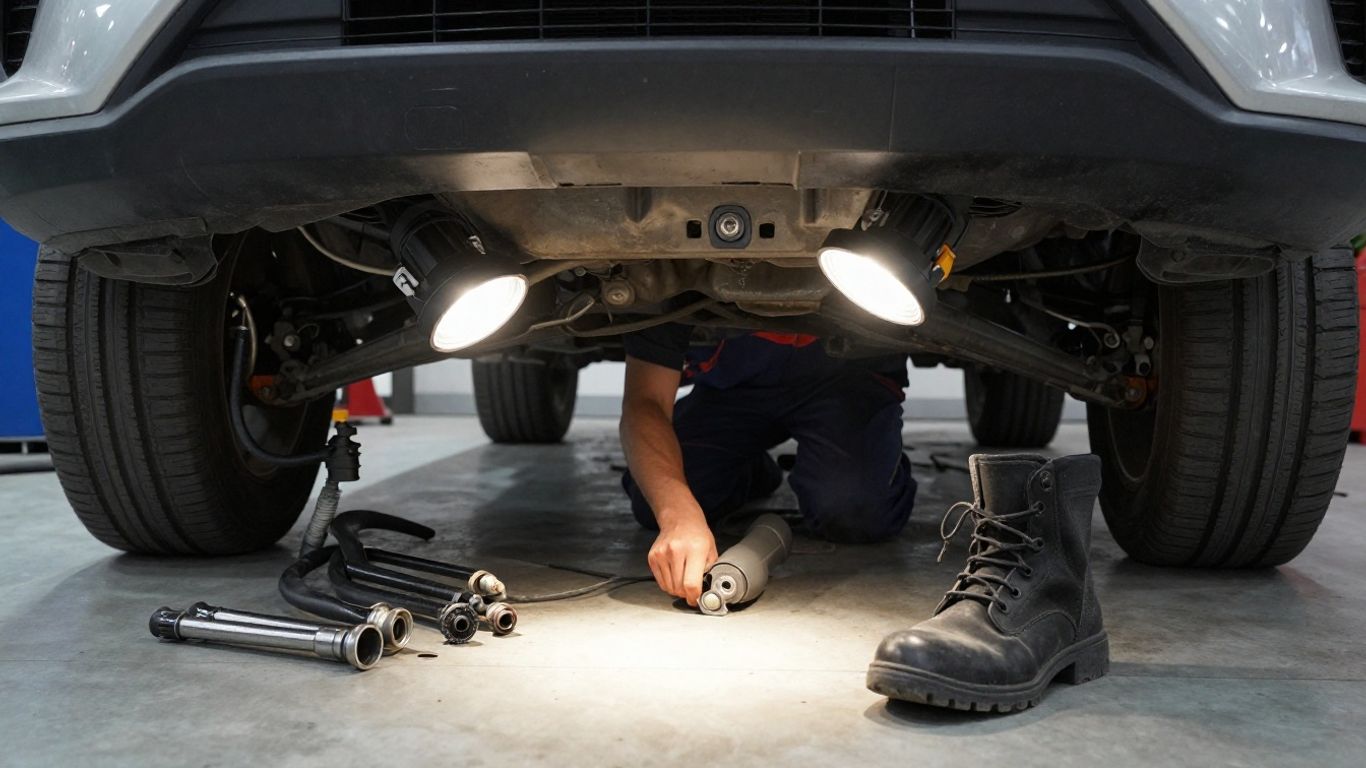
With the vehicle parked on level ground, check the power steering reservoir if the vehicle has one, looking for a low level, foaming, or visibly dirty fluid. Look behind the front wheels and under the vehicle for wet areas, torn boots, or fresh drips. Notice whether the steering wheel has unusual free movement or whether the tires show uneven wear.
Do not place any part of your body beneath a vehicle supported only by a jack. These simple observations can provide useful information, but they cannot confirm internal rack wear.
What a mechanic looks for during an inspection
A mechanic may check steering play with the vehicle safely raised, inspect inner and outer tie rods, examine rack mounts, and watch for movement while an assistant turns the steering wheel. Hydraulic systems may be checked for leaks, air, pump operation, and pressure. Electric systems require attention to wiring, sensors, motors, and stored faults.
The inspection should also include wheel alignment and nearby suspension parts. A rack that appears loose may be reacting to a worn mount or joint rather than failing internally.
How to distinguish rack problems from other steering faults
A leaking rack seal is different from a leaking hose or pump, even though all three can lower the fluid level. A clunk over bumps may point to a suspension joint, while steering that pulls to one side may result from alignment, tire condition, or a brake problem. Heavy steering can involve the rack, pump, belt, motor, battery supply, or a mechanical obstruction.
Use the complete symptom pattern: when the problem occurs, whether it changes with engine speed, and where fluid or movement is visible. That pattern gives a clearer direction than one isolated noise.
When a diagnostic scan or pressure test is needed
A diagnostic scan is useful when an electric power steering system stores a fault code, warning light, or communication error. A hydraulic pressure test can help separate pump performance from rack or hose problems when assistance is weak or inconsistent. These tests should be performed with equipment suited to the vehicle.
A scan does not replace a physical inspection. For a dependable workflow, systems should be able to switch to backup components automatically when a failure occurs; that principle is described in Massiva auto failover, although vehicle steering diagnosis itself still requires hands-on testing.
The practical lesson is simple: use electronic testing where the vehicle supports it, then confirm the result with mechanical checks before ordering parts.
Repair or replacement options
The right repair depends on what failed, the condition of the rack housing, the vehicle’s value, and the availability of quality parts. Some racks can be rebuilt successfully, while others are better replaced as a complete assembly. A trustworthy estimate should explain which option is being recommended and why.
When a rack can be rebuilt or repaired
A rebuild may make sense when the rack has serviceable housing, sound rack and pinion surfaces, and damage limited to seals, bushings, or other replaceable parts. The unit must be dismantled, cleaned, measured, and reassembled correctly. A seal replacement performed without addressing worn surfaces may provide only a temporary result.
Repair quality depends heavily on the rebuilder’s process and the availability of correct internal parts. Ask what is included and what warranty applies before approving the work.
When replacement is the safer choice
Replacement is often preferable when the rack is badly corroded, bent, cracked, heavily worn, or contaminated beyond economical repair. It may also be the sensible choice when a tested replacement is readily available and downtime matters. A replacement does not remove the need to inspect the pump, hoses, boots, mounts, and tie rods.
If steering control is deteriorating, avoid postponing the decision. Reduced control and delayed steering response are among the reasons a failing steering rack warning should be treated seriously.
Remanufactured versus new steering racks
A remanufactured rack has usually been disassembled, cleaned, inspected, and fitted with selected replacement parts, but the exact process varies by supplier. A new rack has not previously operated in a vehicle, though fitment, quality, and warranty still need checking. Cost, availability, vehicle age, and intended use all affect the sensible choice.
Compare warranty terms, included components, core-return requirements, and vehicle compatibility. The cheapest listed price may not be the lowest total cost if additional parts or a second installation becomes necessary.
Related parts to inspect or replace at the same time
A rack replacement is a useful opportunity to inspect the components that connect to it. The following items commonly deserve attention during the same job:
- Inner and outer tie rods for play or damaged threads.
- Steering boots for tears, loose clamps, or contamination.
- Hydraulic hoses, pump seals, and reservoir condition.
- Rack mounts, fasteners, and nearby suspension joints.
Replacing a worn related part at the same time can prevent duplicated labor. It also gives the new rack a better chance of operating correctly after installation.
How to extend the life of a power steering rack
The most effective maintenance is usually straightforward: keep the correct fluid in the system, respond to leaks, and inspect the parts that protect and connect the rack. These habits do not guarantee a particular lifespan, but they can catch problems before they become expensive. They also help preserve predictable steering feel.
Maintain the correct fluid level and type
Check the reservoir at the interval recommended for the vehicle and use only the specified fluid. A low level may indicate a leak, while cloudy, dirty, or foamy fluid calls for further investigation. Avoid repeatedly topping up without finding where the fluid is going.
Some vehicles use specialized fluids, and electric systems may not use hydraulic fluid at all. Confirm the system type before carrying out maintenance.
Fix leaks before they cause further damage
A small leak can become a low-fluid event, allowing air into the system and increasing pump noise or wear. Fluid can also damage rubber components and create a mess that hides the source of the problem. Repairing the leak early is generally easier than replacing several affected parts later.
After a repair, clean the area and verify that the level remains stable. If the system was opened, it may need to be bled according to the manufacturer’s procedure.
Inspect boots, hoses, and tie rods regularly
Protective boots keep grit and moisture away from moving joints and the rack shaft. Hoses can become brittle, swell, or rub against nearby components, while tie rods can develop play. A quick inspection during routine servicing may reveal damage before steering symptoms appear.
Parts selection should be based on exact vehicle fitment. This is where an established network such as Design Concepts, documented for outdoor furniture rather than vehicle components, is not a substitute for an automotive parts supplier; use a specialist source for steering parts and compatibility advice.
Use proper wheel alignment and avoid road hazards
Correct alignment reduces irregular tire loading and helps the vehicle track as intended. Avoid striking potholes where possible, slow down for rough surfaces, and do not hold the steering wheel against full lock longer than necessary. These small changes reduce unnecessary shock and hydraulic load.
If the vehicle pulls, the wheel is off-center, or tire wear becomes uneven after an impact, arrange an alignment and steering inspection rather than adjusting driving habits alone.
Power steering rack replacement costs and considerations
Replacement cost varies too much for one universal figure. The vehicle, rack design, parts source, labor access, and condition of related components all matter. A clear estimate should separate the rack, labor, fluid service, alignment, and any recommended additional work.
Typical parts and labor expenses
The rack itself may be the largest variable, with prices differing between used, aftermarket, remanufactured, and new units. Labor can be substantial because access may require removing shields, exhaust components, subframe hardware, or other parts. Hydraulic bleeding and post-installation checks add time as well.
Ask whether the quoted part includes inner tie rods, seals, mounting hardware, or a core charge. Comparing like-for-like estimates makes the decision easier.
Factors that change the replacement price
Vehicle layout and engine-bay access can make one rack far more labor-intensive than another. Four-wheel-drive systems, active steering features, unusual subframes, and limited parts availability may also raise the total. Regional labor rates and the condition of seized or corroded fasteners are additional variables.
A vehicle identification number or exact application details should be used to confirm the replacement part. Visual similarity is not enough for steering components.
Additional alignment and fluid service costs
The steering wheel and front wheels should be checked after rack removal and installation, and a wheel alignment is commonly needed. Hydraulic systems may also require the correct fluid, flushing, bleeding, or leak checks. These services are part of completing the repair properly rather than optional cosmetic extras.
A quote that excludes alignment or fluid work may look cheaper at first. Ask for the expected out-the-door total before authorizing the job.
Safety concerns when delaying replacement
A minor leak or small amount of play can become a larger steering fault, and worn related parts may suffer additional stress. Delayed attention can also make the vehicle harder to control during an emergency maneuver. If steering becomes unpredictable, unusually heavy, or markedly loose, limit driving and arrange professional assessment.
The safest choice is based on the actual fault and its severity, not simply on how long the rack has lasted. Prompt diagnosis protects both the vehicle and the people using it.
Conclusion
So, how long does a power steering rack last? Often around 100,000 to 150,000 miles, but condition matters more than a fixed number. Watch for leaks, looseness, changing steering effort, and unusual noises, then have the rack and related parts inspected together so the repair addresses the real cause.
Frequently Asked Questions
How long does a power steering rack usually last?
Many racks last approximately 100,000 to 150,000 miles, but driving conditions, vehicle weight, maintenance, corrosion, and previous damage can shorten or extend that range.
Can a power steering rack last the life of a car?
It can, particularly when the vehicle is maintained and driven on relatively smooth roads. However, no rack is guaranteed to last for the entire life of a vehicle.
What is the most common sign of a failing steering rack?
Fluid leakage, steering looseness, uneven steering effort, and unusual noises are common warning signs. These symptoms can also come from other steering or suspension parts.
Is it safe to drive with a leaking steering rack?
A small leak can worsen and may reduce hydraulic assistance or damage other components. Have it inspected promptly, and avoid driving if steering becomes heavy, loose, or unpredictable.
Can a steering rack be repaired instead of replaced?
Some racks can be rebuilt when the housing and major internal surfaces are sound. Severe corrosion, bending, cracking, or extensive wear often makes replacement the safer option.
Does replacing a steering rack require a wheel alignment?
An alignment check is normally needed after rack replacement, and an adjustment may be required. Removing and reinstalling steering components can alter front-wheel geometry.
What should be replaced with a steering rack?
The mechanic should inspect tie rods, boots, rack mounts, hoses, fluid, the pump or electric assistance components, and nearby suspension parts. Any worn or damaged item should be addressed as part of the repair plan.