

Key Takeaways
Choosing steering parts starts with identifying the exact vehicle and the part’s role in the system. Careful fitment checks, genuine-part verification, and sound installation practices help avoid unnecessary trouble.
- Steering components work as a connected system, so wear in one area can affect how the vehicle feels.
- OEM parts are intended for a specific vehicle application; confirm fitment rather than relying on appearance alone.
- Compare aftermarket options by fit, specifications, warranty, and total cost—not just price.
- Use the VIN and relevant vehicle details to check part numbers and side-specific applications.
- Inspect related parts and arrange an alignment after repairs when the procedure calls for it.
What genuine OEM steering components are
Genuine OEM steering components are parts supplied for a vehicle’s original equipment application. The term matters because steering parts that look alike may differ in dimensions, connections, or specifications. Before ordering, establish what the vehicle requires and whether the listing clearly identifies that application.
How OEM parts are designed for a specific vehicle
A vehicle’s steering parts are selected to work with its particular layout and connection points. Differences between model years, trims, and production runs can affect which component fits, even when two vehicles share a model name. Fitment is application-specific, so use a catalog lookup or a parts professional to confirm the match rather than judging from a photo.
Which parts make up the steering system
The steering system includes the components that transfer a driver’s input to the wheels, along with parts that reduce steering effort when the vehicle has power assist. Common examples include the rack or gearbox, steering linkages, tie rods, and assist components such as a pump and hoses. Ball joints and other suspension connections also influence how the wheels move and hold their position.
How steering components work together
Turning the steering wheel moves a series of connected parts, which guide the wheels in the intended direction. In a rack-and-pinion setup, the rack transfers movement through the tie rods; other vehicles use a steering gearbox and related linkages. When one connection has play or binds, the effect can be felt elsewhere in the system, so diagnosis should consider the assembly rather than just one symptom.
Why condition and compatibility affect handling
Wear, looseness, damage, or an incorrect replacement can change how the vehicle responds to steering input. Symptoms such as wandering or uneven response can have more than one cause, including issues outside the steering assembly itself. A proper inspection helps separate a worn part from an alignment, tire, or suspension concern.
Common types of OEM steering components
Steering systems vary, but many repairs involve a small set of familiar component groups. The right replacement depends on the vehicle design and which part has failed, not simply on the broad category name. A useful first step is to identify the component and its connections before comparing listings.
Steering racks and gearboxes
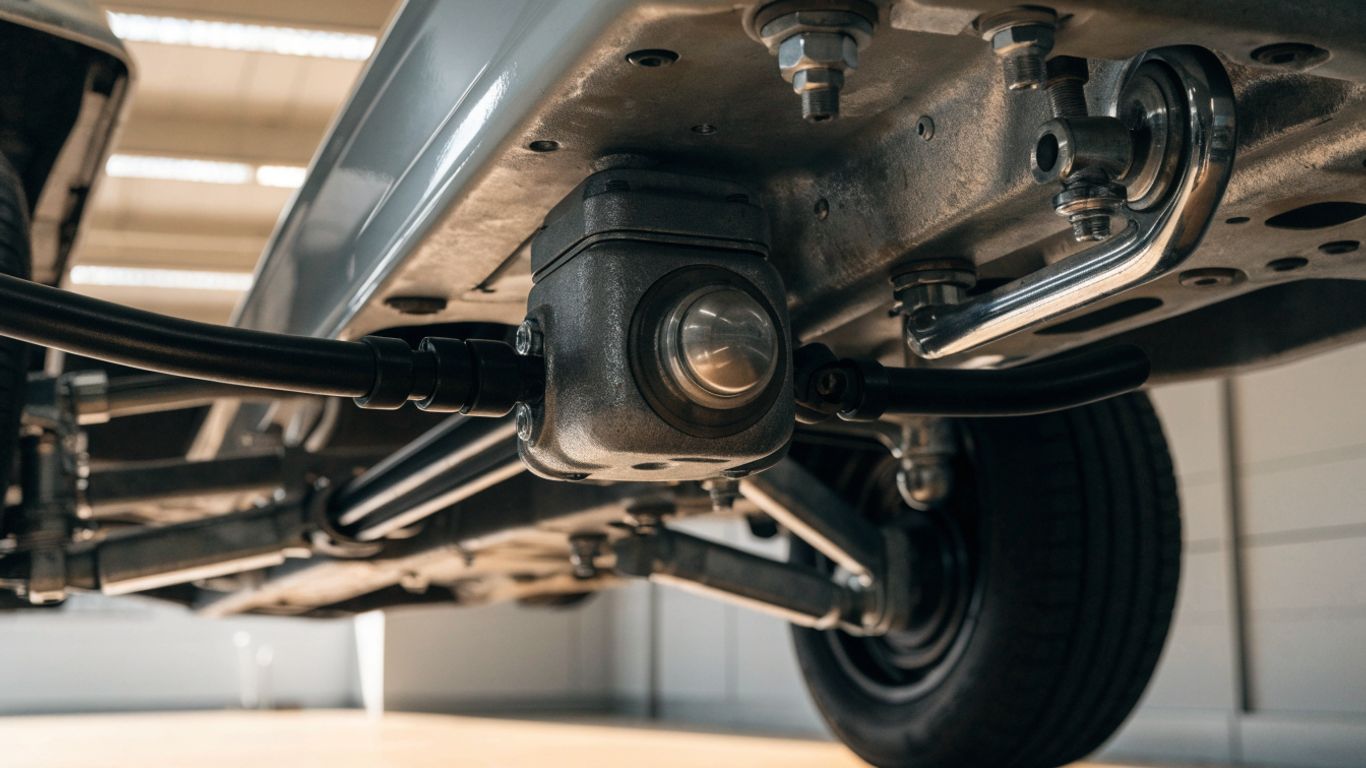
A steering rack or gearbox converts steering-wheel movement into motion that can be passed through the linkage to the wheels. The design depends on the vehicle, so a rack and a gearbox are not interchangeable labels for the same part. For an ATV or UTV repair, the Polaris OEM steering components selection includes a steering gear box assembly, part 1824835, for steering repairs and replacement.
Tie rods and steering linkages
Tie rods and related linkages connect the steering mechanism to the wheel assemblies. Their condition can affect steering response, and a bent or worn part may also make it difficult to maintain correct alignment. When replacing one, check whether the application is side-specific and whether adjoining joints or hardware need attention.
Ball joints and related suspension connections
Ball joints allow connected suspension and steering parts to move through their intended range. Their condition matters because looseness at a joint can affect wheel position and handling. Since symptoms can overlap with other worn parts, inspection should establish which connection has excessive play before replacement is chosen.
Power steering pumps, hoses, and other assist parts
In hydraulic power steering systems, a pump and hoses help provide steering assist; other vehicles use different assist arrangements. Leaks, damaged hoses, or a failing pump may produce noise or increased steering effort, but those signs alone do not confirm which part is at fault. Check the vehicle’s system type and follow the repair information for that application.
OEM parts versus aftermarket alternatives
A genuine OEM component and an aftermarket alternative may both be listed for the same general repair, but the listings can differ in application details, included hardware, and warranty terms. The useful comparison is not simply “original versus replacement”; it is whether each option is suitable for the vehicle and the repair. Read the fitment and product information closely before deciding.
Differences in fit, materials, and specifications
OEM parts are associated with the vehicle’s original equipment application, while aftermarket products come from other manufacturers and can vary by design and specification. Check dimensions, connection style, included components, and any stated vehicle fitment. This quick comparison helps organize the questions to ask, but the seller or manufacturer’s application information should settle the final fit.
| Check | Why it matters | What to confirm |
|---|---|---|
| Application | Similar models can use different parts | Year, model, and relevant vehicle details |
| Connections | Mounting points must match | Thread, joint, and connector details |
| Included items | A listing may cover only part of an assembly | Whether hardware or related pieces are included |
| Warranty | Coverage can differ between options | Terms, exclusions, and claim process |
The table is a prompt for comparing documented details, not a substitute for fitment confirmation. If a listing omits a critical specification, ask for clarification before ordering rather than assuming that a similar-looking part will work.
When an aftermarket part may be a suitable option
An aftermarket part may be suitable when its application is clearly confirmed and its specifications meet the repair requirements. Some buyers also consider availability, budget, or whether the replacement includes related hardware. Whichever option you choose, verify the exact fitment and the seller’s terms before installation.
How warranties and quality standards can vary
Warranty coverage depends on the part and seller, so check the written terms rather than assuming all replacements receive the same protection. Look for the coverage period, exclusions, and steps required if a problem arises. Also review any stated quality or testing information, while keeping in mind that a claim is only useful if it applies to the exact part being considered.
Factors to weigh beyond purchase price
The lowest listed price may not reflect the total cost of completing the repair. Shipping, required hardware, return conditions, and the likelihood of needing a second repair can all affect the decision. Compare those practical details alongside fitment and warranty, and avoid paying for features that are not needed for the vehicle.
How to identify the correct parts for your vehicle
Correct identification usually takes more than a model name. Catalogs may divide applications by engine, trim, drivetrain, production date, or other details, and steering parts may differ from one version to another. Gather the vehicle information first, then verify the part number and its stated application.
Use the VIN, year, make, and model
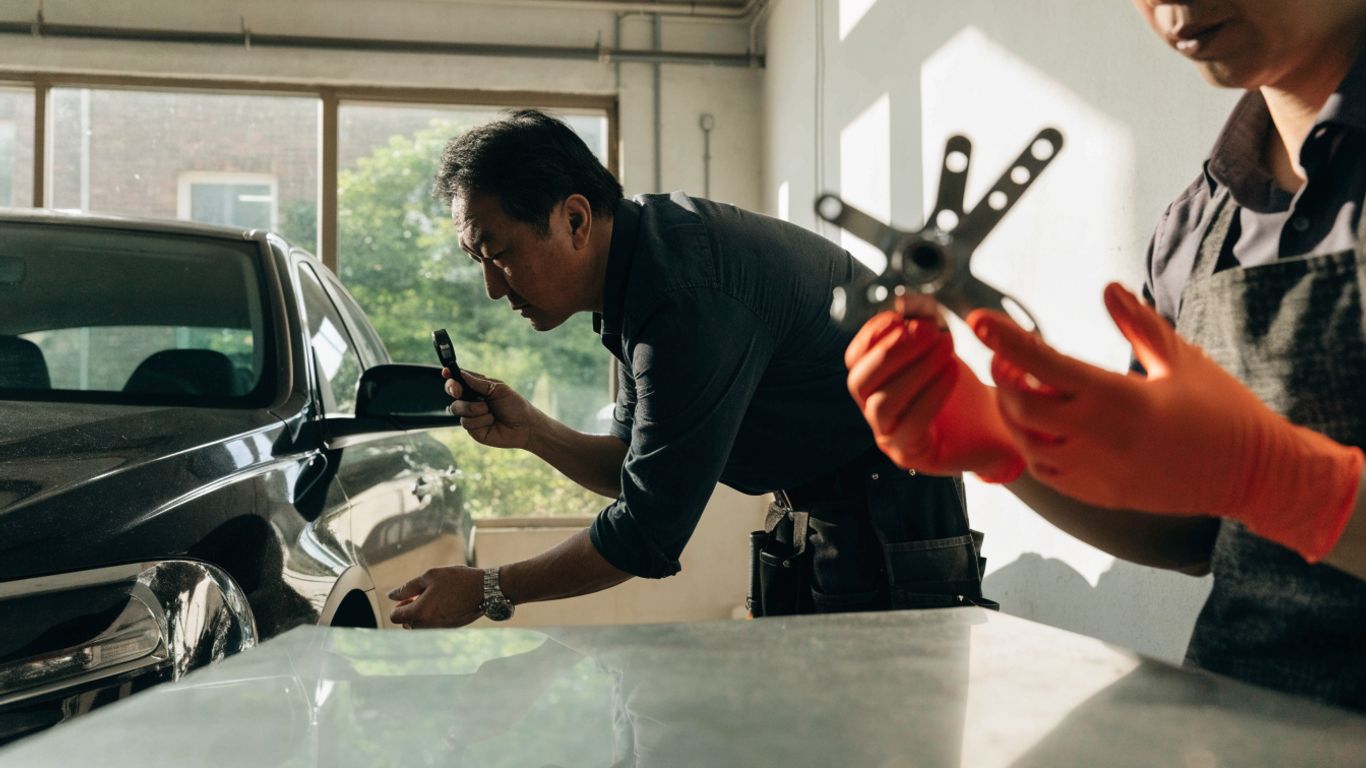
Start with the vehicle identification number (VIN), along with the year, make, and model. A VIN-based lookup can help narrow the application, but confirm that the resulting listing describes the correct component and vehicle configuration. When the result is unclear, share the full details with the seller before placing an order.
Check trim, drivetrain, and production-date differences
Vehicles sold under the same model name can have more than one steering setup. Trim, drivetrain, and production-date breaks may separate one part application from another. The habit of checking exact details applies across product categories too: irrigation swing joint assemblies, for example, are offered in different sizes and lengths, illustrating why a broad category label may not be enough.
Match part numbers and superseded numbers
A matching part number is useful evidence, but confirm that it applies to the vehicle and that the number has not been replaced by a newer superseding number. Ask the seller to clarify any number changes or catalog notes before ordering. For Polaris ATV and UTV steering repairs, the parts selection lists steering gear box assembly 1824835; verify the specific application with the listing or seller rather than assuming it suits every model.
Confirm left- and right-side applications
Some steering and suspension components are specific to the left or right side, while others are shared. Check the listing’s side designation and compare it with the part being replaced. If the seller uses a diagram or catalog illustration, confirm that its orientation matches the vehicle’s left and right sides as specified for the application.
How to verify a part is genuine
A genuine part should have a clear identity and an application that can be checked. Packaging and labels can help, but no single visual detail is a substitute for buying from a dependable source and confirming the part number. Take time to review the listing before payment, especially when the price or product description seems unusually vague.
Review packaging, labels, and part numbers
Check that the packaging and label identify the component and that the part number corresponds with the seller’s description. Compare the number against a reliable catalog or ask the seller to confirm it for your vehicle. Packaging can be damaged or replaced during handling, so treat it as one piece of evidence rather than the only proof of authenticity.
Buy through authorized or reputable sellers
Choose a seller that can explain the part’s origin, application, and return process. A clear business identity and responsive answers make it easier to resolve a mismatch before the part is installed. Context-specific advice appears in many fields: readers may check NFL injury reports, estimate home market value, plan Parque Arví trails, or assess a roofing contractor, but in each case the source and scope of the information matter.
Watch for listings with unclear origin or fitment
Be cautious when a listing gives no reliable part number, uses broad fitment language, or offers little information about the seller or product origin. Stock images alone may not show the actual item or all included pieces. If a listing leaves a basic question unanswered, request confirmation before treating it as a match.
Confirm return and warranty terms before ordering
Read the return policy and warranty conditions before purchase, including any limits that apply after installation. Confirm who handles a return if the part is incorrect and whether original packaging must be retained. For Polaris ATV and UTV steering repairs, the catalog identifies its steering gear box assembly as part 1824835; check the listing and seller terms for the specific order.
Installation and ongoing steering-system care
Steering repairs affect vehicle control, so the right part is only one part of a safe repair. Inspect the surrounding components, follow procedures for the exact vehicle, and check whether related adjustments are needed afterward. If the repair is beyond your tools or experience, use a qualified technician.
Inspect related components before replacement
Before replacing a steering component, inspect nearby joints, boots, fasteners, and connected suspension parts for wear or damage. A worn neighboring part can contribute to the same symptom or shorten the life of a new component. A mechanic can also check for play or binding and identify whether the repair needs additional parts.
Follow vehicle-specific repair procedures
Repair procedures can specify tools, tightening sequences, torque values, and safety precautions that vary by vehicle. Use the applicable service information rather than relying on a general guide or guesswork. Steering and suspension work should be performed with the vehicle supported correctly, and any required system checks should be completed before it returns to the road.
Get a wheel alignment after applicable repairs
Some steering or suspension repairs alter wheel position or require related adjustment. Follow the vehicle-specific procedure to determine whether an alignment is needed, and arrange one when the repair calls for it. Proper alignment helps the vehicle track as intended and can reduce uneven tire wear.
Recognize warning signs that call for prompt inspection
Changes in steering feel deserve attention, particularly if they appear suddenly or worsen. Watch for signs such as unusual looseness, binding, pulling, new noises while turning, or visible fluid leakage in a hydraulic system. These symptoms can have several causes, so arrange an inspection rather than continuing to drive on the assumption that the issue is minor.
Conclusion
Choosing genuine OEM steering components comes down to matching the part to the vehicle, checking its identity and seller terms, and completing the repair with the right procedures. Careful fitment research and inspection of related parts can help make a steering repair more straightforward and reduce avoidable ordering mistakes.
Frequently Asked Questions
What does OEM mean for steering parts?
OEM refers to parts supplied for a vehicle’s original equipment application. Confirm the specific part’s fitment for your vehicle before ordering.
Are OEM steering parts always better than aftermarket parts?
Not necessarily. Suitability depends on the vehicle application, documented specifications, warranty, availability, and the needs of the repair.
Can I identify the right steering part with only the model name?
A model name alone may not be enough. Year, trim, drivetrain, production date, and other vehicle details can affect fitment.
Should I use the VIN when ordering steering components?
Yes. The VIN can help narrow down the correct application, though you should still verify the part number and catalog details.
How can I check whether a steering part is genuine?
Review the part number and packaging, and buy from a reputable seller that can explain the part’s origin and fitment. Packaging alone is not conclusive proof.
Do steering repairs require a wheel alignment?
Some repairs affect wheel position and call for an alignment. Follow the procedure for the specific vehicle and repair.
What steering symptoms should be inspected promptly?
Unusual looseness, binding, pulling, new turning noises, or fluid leaks are reasons to arrange an inspection. They can have several possible causes, so diagnosis matters.