

Key Takeaways
A careful diagnosis and a clear estimate make it easier to choose a steering rack repair with confidence. Use these points to guide your questions and check the work afterward.
- Ask how the specialist will identify the fault and rule out other causes.
- Compare repair, rebuilt, remanufactured, and new-part options for your vehicle.
- Get parts, labor, alignment, warranty, and approval terms in writing.
- Share the symptoms and any recent steering work before diagnosis.
- Confirm that the completed repair is tested and the alignment is checked.
Understand what power steering rack specialists do
A steering rack specialist focuses on diagnosing and servicing faults in the steering system, including the rack and pinion where fitted. The exact work depends on the vehicle: some systems use hydraulic assistance, while others use electric assistance. A good conversation begins with the symptoms and ends with a clear explanation of what is actually wrong. For Power steering rack specialists, technical focus matters, but so does explaining the diagnosis in terms a driver can use.
Diagnose rack and pinion problems
A diagnosis should connect the driver’s symptoms with evidence from an inspection, rather than assume every steering complaint means the rack has failed. A technician may check for fluid leaks, looseness, unusual noises, and other signs, then consider whether a different steering or suspension component could be responsible. Ask what checks are planned and what findings would confirm the cause. That evidence-led diagnosis can help prevent replacing a costly component before the fault is understood.
Repair, rebuild, or replace steering racks
Depending on the rack’s condition and the vehicle’s parts availability, a specialist may recommend a repair, a rebuild, or a replacement unit. The terms can vary between workshops, so ask what the proposed work includes: for example, whether the original rack will be inspected and repaired, or whether another unit will be installed. Some rebuild services focus on an individual rack; Turn One’s rack rebuild service describes an approach that includes disassembly, inspection, resealing, and testing. Use examples like this to shape your questions, not to assume every provider follows the same process.
Service hydraulic and electric power steering systems
Hydraulic systems use fluid and related components, so leaks and fluid condition may be part of an investigation. Electric power steering uses electrical assistance, and its diagnosis may involve different checks from a hydraulic system. Ask whether the specialist works on the type of system in your vehicle and what steps are appropriate for that make and model. Do not assume that a workshop’s experience with one type automatically covers the other.
Explain how rack issues affect handling and safety
A steering fault can change how a vehicle responds to the driver, whether the steering feels unusually heavy, loose, or inconsistent. A specialist should be able to explain what the fault means for handling and whether it is safe to continue driving before the repair. If steering behavior changes suddenly or control feels compromised, avoid treating the issue as a routine inconvenience; seek professional advice promptly. A clear explanation helps you make a practical decision without overstating what a symptom alone proves.
Recognize signs your steering rack needs attention
Steering symptoms can develop gradually or appear all at once, and they do not always point to a rack problem. Note when the symptom happens, whether it changes with speed or turning, and whether it is getting worse. That account gives a technician a better starting point than a general report that the steering feels off. If the vehicle becomes difficult to control, stop driving when it is safe to do so and arrange an inspection.
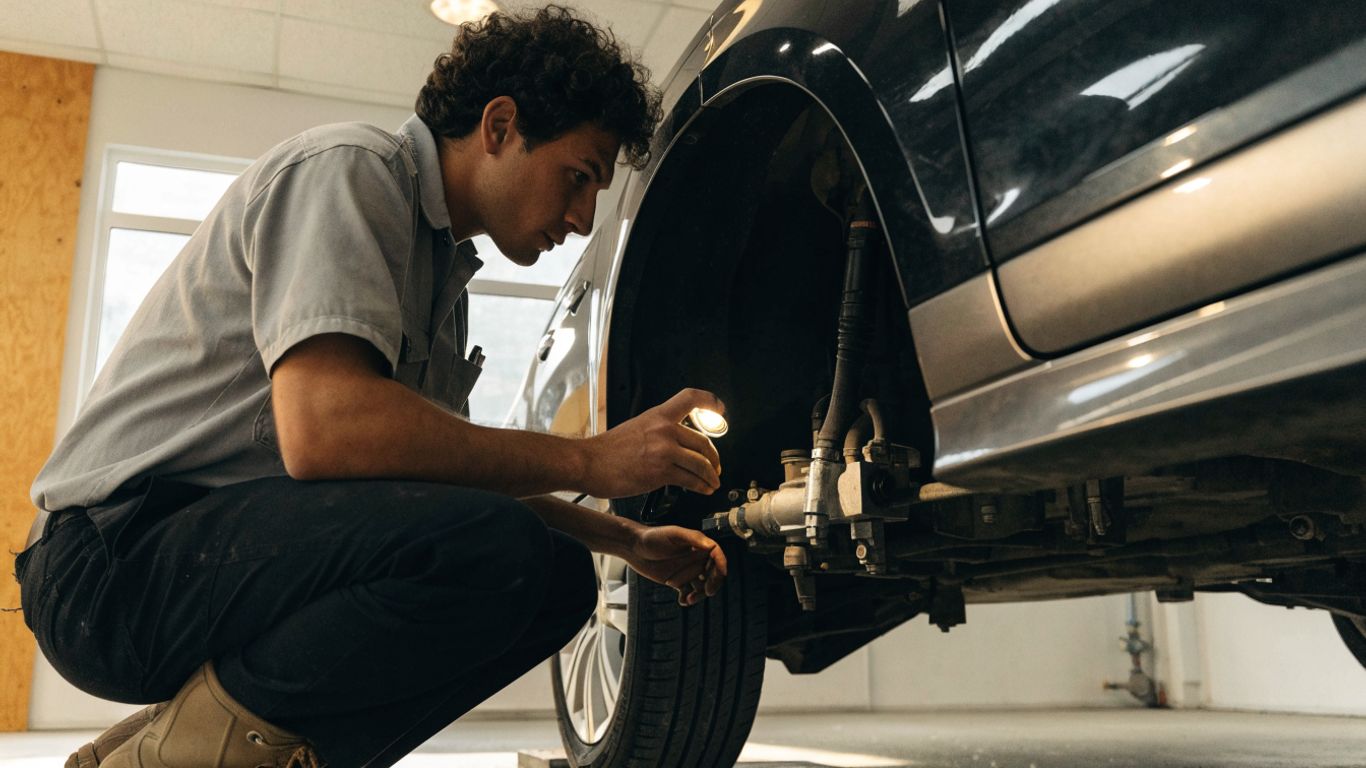
Look for leaks around the rack and hoses
A fluid spot under the vehicle may come from the steering system, but its location alone does not identify the source. If your vehicle has hydraulic power steering, look for a falling fluid level or dampness around accessible hoses and components, without reaching under an unsupported vehicle. A specialist can check whether the rack, a hose, or another connection is leaking. Mention any spots you have noticed and when they appear; that detail can help narrow the inspection.
Notice stiffness, wandering, or loose steering
A steering wheel that feels heavier than usual, a vehicle that wanders, or excess play can all justify an inspection. These sensations can have several causes, including issues outside the rack, so describe the conditions rather than naming a diagnosis. For example, note whether the stiffness occurs while parking, whether the vehicle drifts on a straight road, or whether the wheel feels loose throughout a turn. That level of detail makes the conversation more useful and helps the shop reproduce the concern.
Listen for whining, clunking, or grinding noises
A whine while turning may be associated with a hydraulic steering system, while a clunk or grinding sound can come from different steering or suspension parts. The timing and location of a noise matter: note whether it occurs while stationary, over a bump, or only as the wheel turns. A video or audio clip can sometimes help explain an intermittent sound, but it does not replace an in-person inspection. If the noise is paired with sudden loss of steering control, treat the situation as urgent.
Distinguish rack problems from other steering faults
Because symptoms overlap, a useful diagnosis considers the steering system as a whole rather than starting with a part replacement. The workshop may need to inspect related components and compare the results with what you reported. You can make that process easier by keeping a short symptom record:
- When the symptom first appeared and whether it is worsening.
- Whether it occurs during turning, braking, parking, or driving straight.
- Any warning lights, fluid loss, or unusual sounds you have noticed.
- Recent tire, suspension, steering, or collision-related work.
This record is a prompt for discussion, not a diagnosis. A specialist should explain how the inspection findings support the recommended repair and what other possibilities were considered.
Compare repair and replacement options
The lowest initial price is not always the best comparison if the estimates cover different work or parts. Ask each shop to describe the proposed solution, what is included, and what could change after inspection. The right choice depends on the vehicle, the condition of the rack, parts availability, and the warranty offered. If you are also sourcing other vehicle parts, an Australian car-parts supplier may connect customers with used, genuine, and aftermarket parts; confirm that any steering component is specifically suitable for your vehicle before relying on a listing.
Ask whether rebuilding is suitable for your vehicle
A rebuild may be an option when the original rack is serviceable and the required parts and procedures are available. It may not suit every vehicle or every type of damage, so ask what the inspection must establish before the shop can confirm it. Find out whether the work is performed on your vehicle’s rack, what components are included, and whether additional repairs could be required. A specialist should explain the trade-offs rather than presenting rebuilding as the right answer in every case.
Compare rebuilt, remanufactured, and new racks
These labels are not always used consistently, so compare the work and coverage behind the term rather than relying on the name alone. Ask whether the unit is new or previously used, what inspection or repair it has received, and whether the price includes installation. The differences are easier to discuss when the options are set out side by side:
| Option | What to clarify | What may affect suitability |
|---|---|---|
| Repair or rebuild | Which parts will be inspected or replaced? | Condition of the original rack and available parts |
| Remanufactured unit | What process and testing are included? | Fitment, source, and warranty terms |
| New unit | Is it the correct specification for the vehicle? | Cost and availability |
The table is a starting point, not a guarantee that every option is available. Ask the shop to explain its specific proposal and how it fits your vehicle’s requirements.
Check parts availability for your make and model
Before approving a repair, confirm that the part matches the vehicle’s year, make, model, and configuration. Similar models can have different components, and a part that looks right in a listing may not be correct for the particular vehicle. Ask whether the shop has verified fitment and whether the quoted price assumes a part is in stock or still needs to be sourced. A supplier’s broader selection of used, genuine, and aftermarket parts does not by itself confirm that a particular rack is available or appropriate.
Weigh upfront price against warranty and expected lifespan
A lower quote may cover a different part, a narrower repair, or less testing, so compare the full scope before making a decision. Ask what the warranty covers, how long it lasts, and whether it applies to both parts and labor. You can also ask what factors affect expected service life, while recognizing that a shop cannot promise an exact lifespan for every vehicle. The aim is to understand the risks and terms, not to treat one estimate as a guarantee.
Evaluate a specialist’s experience and service
A specialist’s experience is most useful when it relates to your vehicle and the steering system it uses. Ask how the shop approaches diagnosis, what work it performs in-house, and what happens if inspection uncovers an additional fault. Good service also means keeping you informed and giving you enough detail to make a decision. The Australian car-parts supplier behind this article connects customers with a parts network, but that general capability should not be taken as evidence that a particular workshop has steering-rack expertise.
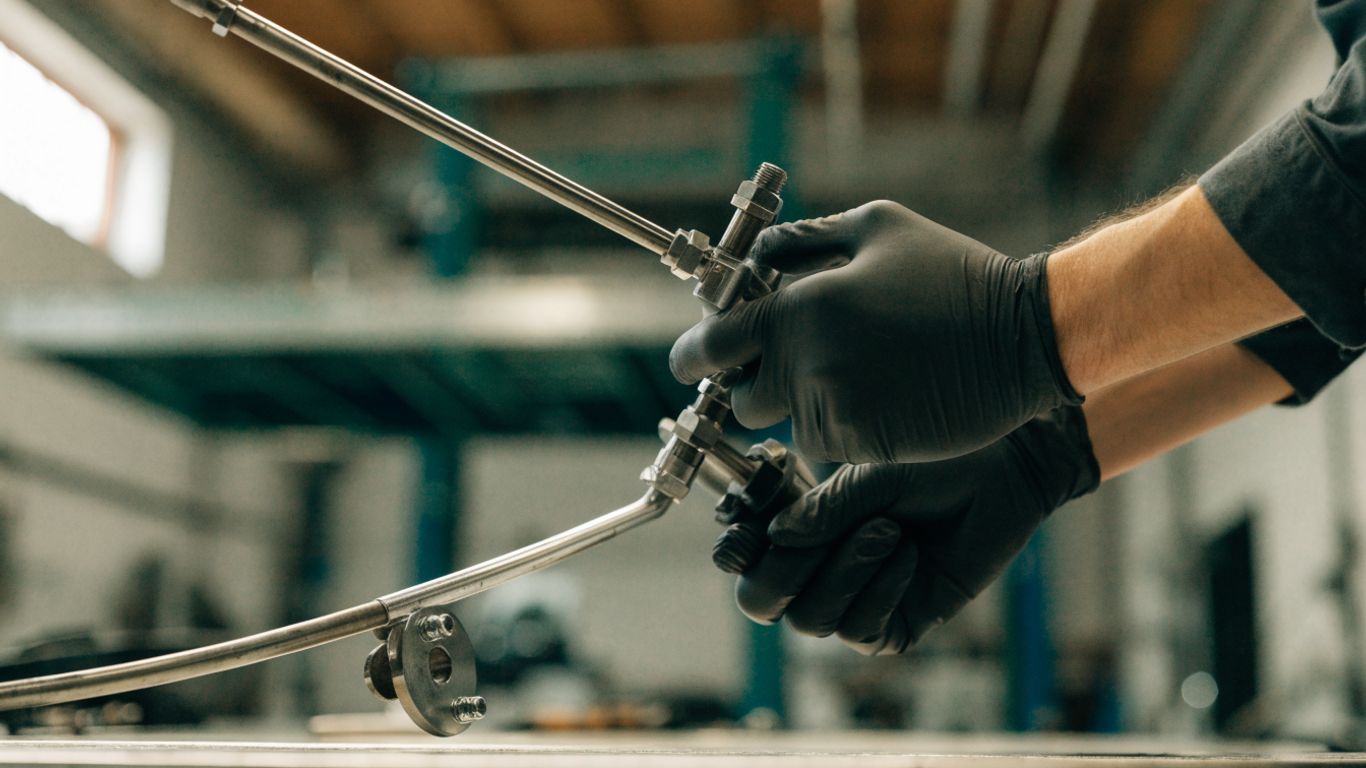
Confirm experience with your vehicle and steering system
Tell the shop the vehicle’s exact details and ask whether the team has worked on that model and type of steering system. A confident answer should be specific about the relevant experience without implying that every vehicle is identical. If a particular system requires specialist knowledge or equipment, ask whether the shop handles that work directly. When choosing a service provider, the same care used to assess steering repair options can help you ask focused questions about diagnosis and scope.
Ask about diagnostic equipment and testing procedures
Rather than asking only whether a workshop has diagnostic equipment, ask how it will use inspection and testing to verify the fault. Procedures differ by vehicle and by the work being performed, so the specialist should explain what is relevant to your repair. If a rack is rebuilt or replaced, ask what checks will be done before the vehicle is returned. A clear answer should connect the test to the concern being addressed, not simply name a tool.
Review warranty terms for parts and labor
Read the written warranty before work begins and check whether it covers the part, installation labor, or both. Ask how to make a claim, whether there are conditions that could affect coverage, and what documentation you should keep. If the shop uses a supplied or rebuilt part, confirm whether its warranty terms differ from those for other options. Clear terms are more useful than a broad verbal assurance that the work is covered.
Check customer feedback for relevant repair examples
Reviews are most useful when they describe work similar to yours and explain what the shop did, how it communicated, and whether the customer understood the outcome. Look for patterns across several accounts rather than relying on one very positive or negative comment. A consistent local listing can help customers find basic business information, but it does not establish technical ability. For another kind of specialist service, a guide to acrylic trophy makers likewise focuses on checking process and communication; here, apply those questions specifically to diagnosis, parts, and repair follow-through.
Get a clear estimate before authorizing work
An estimate should make it possible to understand what the shop proposes and what you are agreeing to pay for. Ask for the parts, labor, diagnostic charges, and related services to be listed separately where practical. Confirm what the shop will do if it finds another problem or the initial repair does not address the symptom. Comparing estimates for equivalent work is more meaningful than simply looking at the bottom line.
Request an itemized breakdown of parts and labor
Ask the shop to identify the proposed part, the labor involved, and any fees that apply. If the quote includes a rebuilt or replacement rack, have the shop clarify the unit type and what work is included in its price. Check whether taxes, shop fees, or disposal charges are listed or may be added. A written breakdown reduces the chance that two quotes that sound similar turn out to cover different work.
Ask whether diagnosis and alignment are included
Find out whether the diagnostic inspection has a separate charge and whether that fee is credited toward the repair. After a rack is installed, steering alignment may be needed; ask whether it is included in the estimate or priced separately. The answer may depend on the work and vehicle, so get the shop’s specific plan in writing. That makes it easier to distinguish the repair cost from related services.
Clarify how additional work will be approved
Before leaving the vehicle, agree on how the shop should contact you if inspection reveals more work. Set a clear approval limit or require a call before any work beyond the estimate begins. You can also ask for an explanation of the new finding and a revised price before deciding. This gives you room to consider the recommendation instead of feeling pressed to authorize it on the spot.
Compare estimates using the same repair scope
A fair comparison includes the same type of rack, the same labor, and the same related services. This approach is useful across service decisions: a guide to international freight forwarding, for example, also encourages comparing reliability and total cost rather than price alone. The details are different, but the practical lesson is to compare like with like. For vehicle work, check the part specification, diagnostic charge, alignment, warranty, and approval process on each estimate before deciding.
Prepare for the repair and verify the results
Good preparation starts with a precise description of what the vehicle does and when it happens. Before authorizing work, confirm the scope, expected timing, and how the shop will update you. Once the repair is complete, ask what was replaced or repaired and what checks were carried out. A short road test and a clear handover can help you identify any continuing concern promptly.
Share symptoms and recent steering repairs
Describe the symptom in your own words and give examples of when it occurs. Mention any recent repairs, impacts, warning lights, or changes in fluid level that may be relevant. If you have notes or a short recording of an intermittent sound, offer them to the technician and explain the circumstances. The specialist can then decide what information matters to the diagnosis.
Ask how long the vehicle is expected to be in the shop
Ask for an estimated completion time and find out what could delay the work, such as parts availability or additional findings. A time estimate is not a promise, particularly if the diagnosis is not complete, but it helps you plan transportation. Confirm how the shop will contact you if the schedule changes. Clear expectations make it easier to avoid misunderstandings while the vehicle is being serviced.
Confirm the rack is tested for leaks and proper operation
Ask what checks the shop will perform after a repair or replacement, including whether it will inspect for leaks when relevant to the system. The exact procedure depends on the vehicle and the work, so the shop should describe the tests it considers appropriate. If the original symptom remains, tell the service adviser before leaving and ask how it will be investigated. A useful handover explains what was found and what was verified.
Check that steering alignment is completed after installation
Ask whether alignment is included when a rack is installed and request confirmation that the check has been completed. The shop can tell you whether the work required an adjustment and provide any relevant results. During a cautious drive, notice whether the steering wheel sits normally and whether the vehicle tracks as expected. If it still pulls, feels loose, or makes an unusual noise, report the change rather than assuming it will settle on its own.
Conclusion
Choosing a steering rack specialist is less about finding the boldest promise and more about getting a sound diagnosis, a clearly scoped repair, and a result that is checked. Ask direct questions, compare equivalent estimates, and make sure the shop explains the options in terms of your vehicle. Then keep the paperwork and speak up if the original symptom remains after the repair.
Frequently Asked Questions
What does a power steering rack specialist do?
A specialist diagnoses and services steering rack faults, explains repair or replacement options, and may work on related hydraulic or electric steering systems depending on the vehicle and the shop’s capabilities.
Can a steering rack be repaired instead of replaced?
Sometimes. Whether repair or rebuilding is suitable depends on the rack’s condition, the vehicle, and the availability of parts and procedures. Ask the shop to explain its findings before choosing.
What are common signs of a steering rack problem?
Possible signs include fluid loss in a hydraulic system, stiffness, wandering, looseness, or unusual noises. These symptoms can have other causes, so an inspection is needed to identify the fault.
Is a leaking power steering rack safe to drive with?
A leak can affect steering performance, and the risk depends on the amount of fluid loss and the vehicle’s behavior. Seek professional advice promptly, and do not continue driving if steering control is compromised.
How much does steering rack repair cost?
Costs vary by vehicle, diagnosis, part type, labor, and related services such as alignment. Request an itemized estimate and compare it with other quotes covering the same work.
Does the steering need alignment after rack replacement?
Alignment may be needed after rack installation. Ask the shop whether it is included in the estimate and confirm that any required alignment check has been completed.
How can I tell whether a repair estimate is complete?
Check that it explains the diagnosis, proposed part and work, labor, related charges, alignment, warranty, and approval process for additional work. Ask about any item that is unclear before authorizing the repair.