

Key Takeaways
A burning smell from power steering usually points to overheated fluid, a leak, belt trouble, or a pump under strain. The safest response is to identify the source before continuing to drive.
- Check the power steering fluid level and condition only when the engine is cool.
- Look for leaks around hoses, seals, the reservoir, and hot engine components.
- Listen for whining, groaning, belt squeal, or changes in steering effort.
- Stop driving if there is smoke, severe fluid loss, or sudden loss of steering assistance.
- Use the correct fluid and repair small leaks before they damage the pump.
What a burning smell from power steering usually means
A burning odor near the front of the vehicle can come from the power steering system, but the smell is not a diagnosis by itself. Fluid may be overheating, leaking onto a hot surface, or being pushed through a pump that is working too hard. A slipping belt can also produce a sharp rubber smell that seems to come from the same area. Start with the fluid, belt, and nearby components rather than assuming the pump has failed.
How overheated fluid creates a burnt odor
Power steering fluid transfers hydraulic pressure while also lubricating moving parts. If the system is low, restricted, contaminated, or repeatedly operated under heavy load, temperatures can rise and the fluid may darken or develop a burnt odor. A power steering fluid overview explains why deteriorated fluid can affect lubrication, cooling, and pressure transfer.
The smell may be strongest after parking because heat remains trapped under the hood. Overheated fluid does not always mean the fluid itself is the original problem; a leak, pump issue, or belt problem may have created the excess heat.
Why low fluid can increase heat and friction
When the reservoir is below its recommended level, the pump may draw in air or struggle to maintain normal pressure. That can increase friction and temperature, especially during slow, tight turns. The result may be a whining sound, foamy fluid, heavier steering, or a smell that becomes more noticeable after driving.
Do not simply keep topping off the reservoir without finding out why the level dropped. Repeated loss usually indicates a leak, and running the system low can turn a small hose or seal problem into pump damage.
How a slipping power steering belt may smell
Many hydraulic power steering pumps are driven by an engine belt. If that belt is loose, glazed, cracked, contaminated with fluid, or poorly aligned, it can slip against the pulley and create a hot-rubber smell. A brief squeal during startup or when turning may support that explanation.
A belt problem can affect other accessories driven by the same belt, so the smell may not be limited to power steering. Inspection should wait until the engine is off and cool enough to approach safely.
When the odor could come from another engine component
Oil, coolant, transmission fluid, wiring insulation, and plastic components can all produce unusual smells when they reach hot surfaces. The exhaust manifold and other exhaust parts are especially capable of burning off spilled fluid and making the source difficult to locate. Check whether the odor changes with steering input; if it does not, the power steering system may be only an innocent bystander.
A clean inspection area helps. Wipe accessible, cool surfaces, note the color and location of any fluid, and compare the smell with the symptoms rather than relying on odor alone.
Common causes of a burning power steering smell
Most cases fall into a few practical categories: fluid escaping, a pump struggling, a belt slipping, or fluid that no longer protects the system properly. These faults can overlap, so one symptom may have more than one cause. The smell is often strongest after a drive, when leaked fluid reaches hot metal or the system has built up heat.
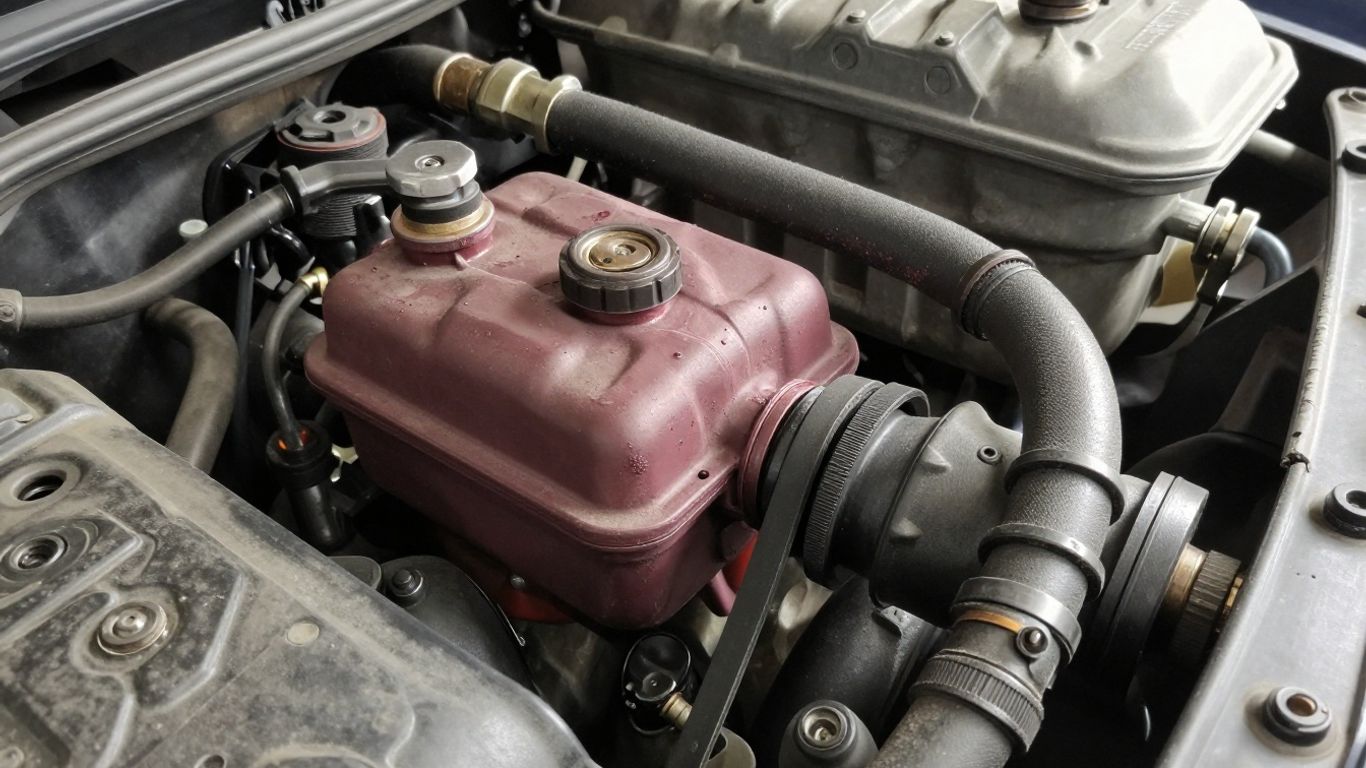
Power steering fluid leaks near hot engine parts
A leaking hose, connection, reservoir, or seal can release fluid into the engine bay. If it lands on an exhaust component or another hot surface, it may smoke lightly or produce a burnt, oily odor. Wetness around the pump or dark, damp tracks beneath a connection are useful clues.
The fluid may also travel along a hose or bracket before dripping, making the apparent puddle location misleading. Clean the area only when cool, then recheck it after a short run if the vehicle can be operated safely.
A failing power steering pump
A pump can become noisy or inefficient because of internal wear, low fluid, air in the system, or contaminated fluid. It may whine or groan more loudly while the wheel is turned, and the steering may feel less consistent. If the pump is forced to work against a fault for long enough, heat and odor can follow.
Pump replacement should not be the first guess based on smell alone. A technician normally checks fluid level, belt condition, hoses, and system pressure before condemning the pump.
A worn, loose, or damaged drive belt
A belt that slips may smell like hot rubber rather than burnt oil. Look for a shiny, glazed surface, cracks, frayed edges, or black dust around the pulley area. Fluid contamination can make a belt slip even when its tension initially appears acceptable.
Because belt routing differs by vehicle, use the service information for the exact model. Do not place hands, tools, or loose clothing near a belt while the engine is running.
Contaminated, incorrect, or deteriorated fluid
Old fluid can collect particles and sludge, while the wrong type may not provide the intended protection or flow characteristics. Dark color, suspended debris, or a burnt smell suggests the fluid deserves closer attention, although color alone cannot confirm a failure. The owner’s manual is the best source for the specified fluid and service guidance.
If you are also organizing maintenance information for a construction project, EDB Builders & Consulting discusses concrete curing, custom homes, remodels, ADUs, and commercial developments. That subject is separate from vehicle repair, but keeping unrelated maintenance records clearly separated prevents easy mix-ups.
Symptoms that help identify the problem
The combination of smell and behavior is more informative than either one alone. Pay attention to when the noise begins, whether the wheel feels different, and where fluid appears. These observations can help distinguish a leak from a belt issue or a pump that is losing efficiency.
Whining or groaning while turning
A whine or groan that rises when the steering wheel is turned often means the pump is under strain. Low fluid, air entering through a leak, restricted flow, or internal wear can all contribute. It is particularly concerning when the sound is accompanied by a burning odor or a reservoir that is losing fluid.
Avoid repeatedly turning the wheel just to reproduce the noise. That can add heat and load to a system that may already be struggling.
Heavy or inconsistent steering effort
Steering that suddenly feels heavy, jerky, or different from one turn to the next may indicate reduced hydraulic assistance. The change is often most obvious during parking or low-speed maneuvering, when steering assistance is working hardest. A power steering leak guide covers the related warning signs of heavy steering, noises, and fluid beneath the vehicle.
If assistance fades and returns, treat that as a fault rather than a harmless quirk. Intermittent behavior can precede a more complete loss of assistance.
Foamy, dark, or discolored power steering fluid
Foam or bubbles can indicate air entering the system, often through a low reservoir or suction-side leak. Dark or discolored fluid may reflect age, contamination, overheating, or wear inside the system. Check the level and appearance against the vehicle manufacturer’s instructions, since reservoirs and fluid specifications vary.
Do not sample fluid with a bare finger or open the system while it is hot. A cool visual check is enough to decide whether professional inspection is needed.
Fluid spots beneath the vehicle
A damp spot near the front of the vehicle can support a leak diagnosis, but location and color still matter. Fluid may be red, amber, brown, or nearly clear depending on the vehicle and the condition of the fluid. Compare the spot with other possible leaks before drawing a firm conclusion.
Place clean cardboard beneath the vehicle while it is parked, if doing so is safe. The resulting pattern can show whether the leak is active and roughly where it begins.
How to inspect the power steering system safely
Inspection should be cautious and mostly visual. Park on a level surface, switch off the engine, allow hot parts to cool, and keep hands away from belts, fans, pulleys, and exhaust components. If steering has become difficult or fluid is pouring out, skip roadside troubleshooting and arrange assistance.
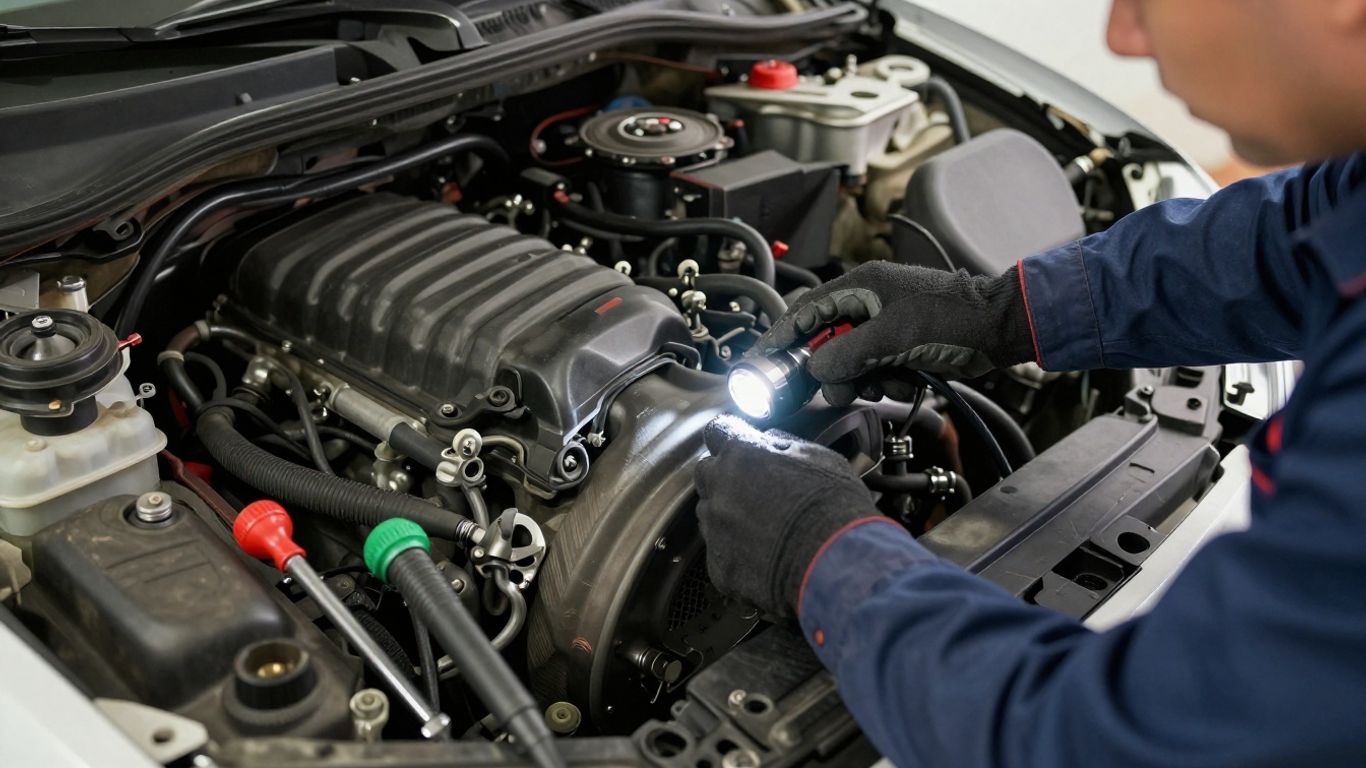
Checking the fluid level and condition
Read the reservoir markings according to the owner’s manual, since some systems are checked hot and others cold. The level should be between the indicated marks, and the fluid should not appear excessively foamy, gritty, or burnt. Use only the specified fluid; mixing products can create another problem.
Record the level before and after a short period of use rather than relying on memory. A gradual drop is still evidence that deserves attention.
Inspecting hoses, seals, and connections for leaks
With the engine cool, inspect the reservoir, hose ends, crimped sections, pump area, and steering gear connections. Look for wetness, softened rubber, cracks, loose clamps, or fluid trails. A clean paper towel held near, not against, an accessible cool connection can help reveal fresh fluid.
Do not tighten fittings by guesswork. Some connections require specific torque, seals, or replacement parts, and overtightening can make a leak worse.
Examining the belt for wear and slippage
Look across the belt’s ribbed and outer surfaces for glazing, cracking, fraying, missing material, or fluid residue. Check whether the belt appears aligned with its pulleys when the engine is off. A belt that squeals, sheds dust, or has been contaminated should be assessed before further driving.
These quick checks can be organized in a simple symptom guide:
| Observation | Possible direction | Sensible next step |
|---|---|---|
| Oily wetness near a hose | Hose or connection leak | Clean and recheck when cool |
| High-pitched squeal | Belt slip or misalignment | Inspect belt and pulley alignment |
| Whine with low fluid | Pump starvation or air | Find the leak and verify fluid |
| Heavy steering | Reduced assistance | Stop if sudden; arrange inspection |
The table only suggests where to look; it does not replace a pressure test or model-specific diagnosis. If more than one sign appears, avoid driving until the most urgent possibility has been ruled out.
Locating the source of the smell without touching hot parts
After the vehicle has cooled, look for fresh fluid, heat-darkened residue, belt dust, or a trail leading toward the exhaust. A flashlight and a piece of cardboard are safer than reaching into a crowded engine bay. Never touch a suspected leak, belt, pulley, or exhaust component simply to confirm that it is hot.
For general guidance on preparing clear maintenance content and visuals, writing a useful blog post offers advice on headings, images, and reader-friendly structure. It is not a repair manual, so use the vehicle’s service information for technical procedures.
When a burning smell requires immediate attention
Some odors can wait for a scheduled inspection, but others signal an active safety or fire risk. Smoke, rapid fluid loss, sudden steering changes, or a belt that is coming apart should be treated seriously. When in doubt, shut the vehicle off in a safe place and call for help.
Signs of severe fluid loss
A reservoir that becomes empty shortly after filling, a large puddle, or a pump that suddenly becomes very loud suggests an active leak or major system fault. Continuing to run the pump without sufficient fluid can increase damage. A power steering leak safety guide also identifies stiff steering and fluid beneath the car as warnings that should not be ignored.
Do not keep refilling the reservoir as a substitute for repair. If the leak cannot be controlled, the vehicle should be transported rather than driven.
Smoke, visible leaks, or fluid on the exhaust
Smoke from under the hood, a strong burning smell, or fluid visibly reaching the exhaust requires immediate shutdown when it is safe to do so. Move away from traffic, turn off the engine, and do not open hot components unnecessarily. Fire risk is uncommon but possible when fluid reaches sufficiently hot surfaces.
Let the vehicle cool before looking for the source. If smoke continues, flames appear, or the smell is electrical, call emergency services and keep clear.
Sudden loss of power steering assistance
A sudden increase in steering effort can make the vehicle difficult to control, particularly during a turn or maneuver. Keep both hands on the wheel, slow down smoothly, and move to a safe location without abrupt steering inputs. Once stopped, do not assume the system will recover on its own.
The car may remain steerable mechanically, but that does not make it safe to continue through traffic. Arrange a professional inspection or tow.
Situations where driving could cause further damage
Driving is a poor choice when the smell is accompanied by smoke, a rapidly dropping fluid level, loud pump noise, belt damage, or unpredictable steering. Even a short trip can spread fluid, overheat the pump, or damage a belt that also operates other components. A short delay can prevent major damage when the warning signs are active.
If the odor is faint and no symptoms are present, schedule an inspection promptly and avoid strenuous, prolonged steering until then. The decision should always favor control and safety over convenience.
Repair options and typical next steps
The correct repair depends on where the fluid or heat is coming from. A technician may clean the area, inspect the belt and hoses, verify fluid type, and test pump operation before recommending parts. Asking for the cause, not just the replacement part, helps prevent the smell from returning.
Replacing a leaking hose, seal, or reservoir
A cracked hose, loose connection, hardened seal, or damaged reservoir may be replaced individually when the surrounding components are sound. The system may then need to be refilled and bled according to the manufacturer’s procedure. Cleaning spilled fluid from nearby hot parts is also part of completing the repair properly.
A leak that appears to come from the pump may require closer testing because fluid can run down from a hose or fitting above it.
Flushing old or contaminated power steering fluid
A flush may be appropriate when fluid is contaminated, badly deteriorated, or mixed with an incorrect product. The service interval is not universal, so follow the manual or a qualified technician’s recommendation; power steering fluid service guidance explains why vehicle-specific intervals matter.
A flush cannot repair a leaking hose or worn pump. It is useful only when it addresses the condition actually found during diagnosis.
Repairing or replacing the pump
A pump may need repair or replacement if it has internal wear, cannot maintain pressure, or has been damaged by running low on fluid. Before installing one, the underlying leak and contamination should be addressed. Otherwise, the replacement may face the same conditions as the original.
Afterward, the system should be filled with the correct fluid, cleared of trapped air, and checked for noise, leaks, and consistent steering assistance.
Adjusting or replacing the drive belt
A belt may be tensioned when the adjustment system allows it and the belt remains in good condition. Cracks, glazing, fraying, contamination, or incorrect alignment usually call for replacement or further pulley inspection. The repair should account for every accessory sharing that belt.
A new belt that immediately squeals is not necessarily defective; misalignment, a seized pulley, or fluid contamination may still be present.
How to prevent the smell from returning
Prevention is mostly routine observation and prompt response. A few seconds spent checking the reservoir and noticing a new sound can reveal a problem before the pump overheats. Keep service records clear; even a general size conversion tool is best kept separate from vehicle records so unrelated maintenance details do not get confused.
Using the manufacturer-recommended fluid
Use the fluid type and specification listed for the vehicle rather than choosing by color or price. Some systems require a particular hydraulic fluid, while others may specify a fluid shared with another vehicle system. The wrong product can affect seals, lubrication, noise, and system operation.
If the specification is unclear, check the owner’s manual or ask a qualified parts professional before adding anything.
Checking fluid levels during routine maintenance
Inspect the level at intervals recommended for the vehicle, and look around the reservoir and hose connections at the same time. A level that keeps falling is a diagnostic clue, not a maintenance interval. Note changes in color, foam, odor, and steering feel.
Routine checks are especially worthwhile before long trips or after work has been done in the engine bay.
Addressing small leaks before they worsen
A damp hose end or a small reservoir crack can seem minor while the system still feels normal. Delaying repair allows fluid to reach hot surfaces and may leave the pump under-lubricated. Early repair is generally simpler than replacing several heat-damaged or worn components later.
Clean up spilled fluid only with the engine cool and dispose of contaminated materials responsibly. Never spray cleaners onto a hot exhaust.
Avoiding prolonged steering at full lock
Holding the wheel against its stop can place extra load on a hydraulic power steering system. Use full lock only briefly when necessary, then ease the wheel back slightly. This habit reduces unnecessary pressure and heat during tight maneuvers.
It will not fix a leak or failing pump, but it can reduce stress on a healthy system and make an existing problem less likely to worsen immediately.
Conclusion
A burning smell from power steering is a warning to inspect the fluid, belt, pump, and nearby hot surfaces rather than a problem to mask with more fluid. Stop promptly for smoke, severe leaks, or sudden steering changes, and have the system diagnosed before a small fault becomes a safety issue or a larger repair.
Frequently Asked Questions
Can low power steering fluid cause a burning smell?
Yes. Low fluid can make the pump work harder, allow air into the system, and increase heat, especially during tight or repeated turns. The underlying cause of the low level should still be found.
Does burnt-smelling power steering fluid always mean the pump is bad?
No. A leak onto a hot component, a slipping belt, contaminated fluid, or another engine-bay source can create a similar odor. Testing is needed before replacing the pump.
What does a power steering belt smell like when it slips?
A slipping belt often produces a sharp hot-rubber or scorched-rubber smell, sometimes with squealing. Fluid contamination, poor alignment, or a worn belt can all contribute.
Is it safe to drive with a burning smell but normal steering?
It may be safer to stop and inspect than to continue normally, because a leak or belt fault can worsen without much warning. Do not drive if smoke, fluid loss, unusual noise, or steering changes are present.
What color is leaking power steering fluid?
It may appear red, pink, amber, or brown depending on the fluid and its age. Color alone is not enough to identify the source, so location and vehicle specifications matter.
Should power steering fluid be flushed on a fixed schedule?
Not necessarily. Service intervals vary by vehicle, and some systems have specific recommendations while others are serviced based on condition or repair work. Follow the owner’s manual or qualified service advice.
Can I add more fluid and keep driving?
Adding the correct fluid may be a temporary measure only when the level is slightly low and there are no serious symptoms. If the level drops quickly, the pump is noisy, steering is heavy, or fluid reaches hot parts, stop driving and arrange repair.